Social Security faces 22% cut in 2032, trustees warn
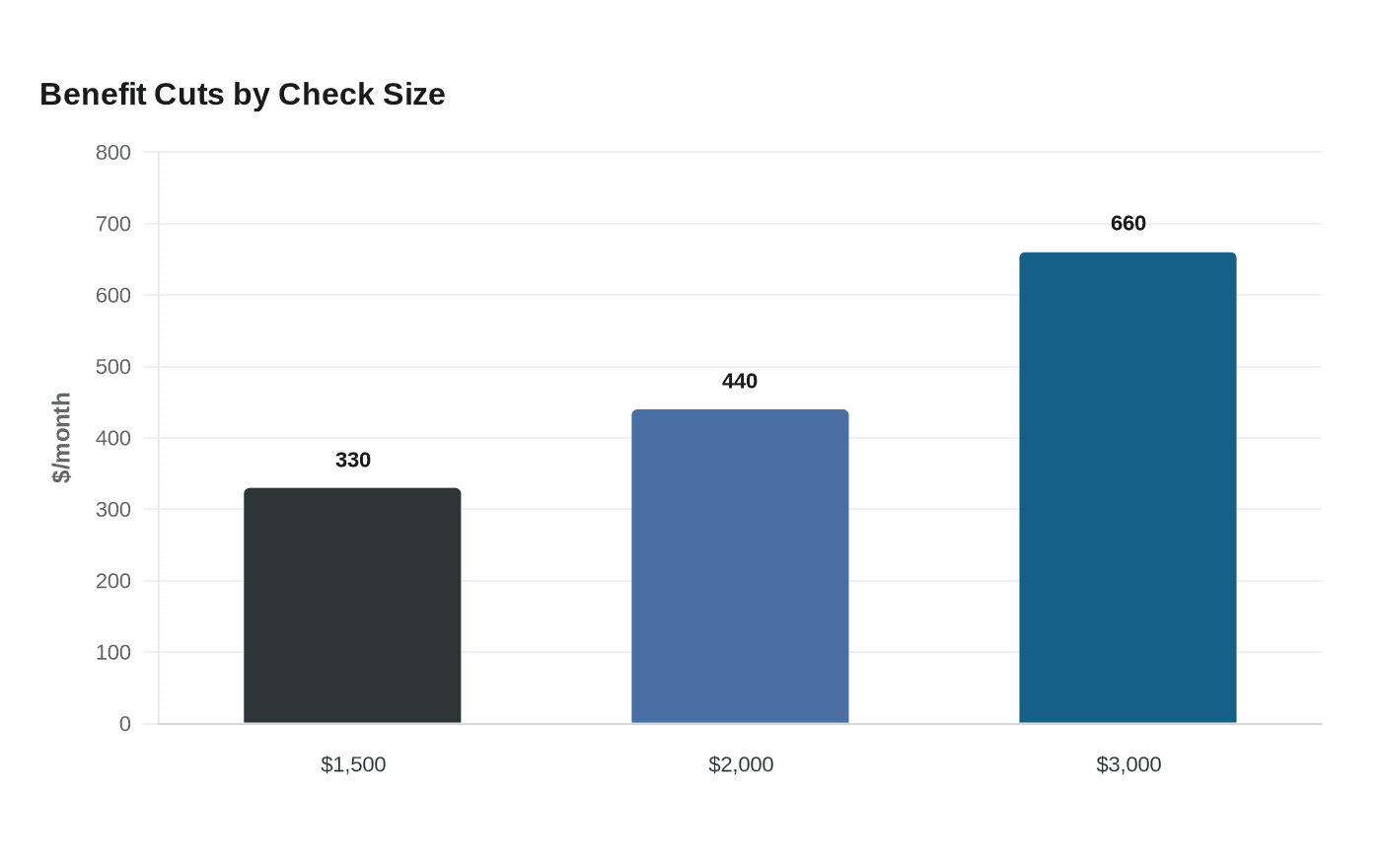
A $1,500 monthly benefit would drop about $330 if Congress misses the 2032 deadline, as trustees warn Social Security faces a 22% cut.

A retiree expecting $1,500 a month from Social Security would see that check fall by about $330 if Congress lets the program hit insolvency. At $2,000 a month, the loss would be about $440; at $3,000, about $660. For millions of current beneficiaries and workers nearing retirement, the trustees’ warning turned an abstract financing problem into a direct reduction in household income.
The 2026 Social Security Trustees Report, released June 9, said the Old-Age and Survivors Insurance trust fund is projected to run out in 2032. If lawmakers do nothing, incoming payroll tax revenue would then cover only about 78% of scheduled retirement benefits, forcing an automatic cut of roughly 22%. The combined OASDI trust funds, which include disability benefits as well, are projected to keep paying full benefits until the third quarter of 2034; after that, continuing income would cover about 83% of scheduled benefits.

The financing gap widened again. Trustees said the 75-year actuarial deficit rose to 4.42% of taxable payroll, from 3.82% in last year’s report. The new projection moved up from 2025 partly because of lower fertility assumptions, lower assumed immigration, and the effect of the 2025 One Big Beautiful Bill Act, which reduced revenue from taxation of Social Security benefits. The 2025 report had projected depletion of the combined trust funds in 2034 and the retirement trust fund in 2033.
The warning also fits a longer history. The 1983 Social Security Amendments, shaped by the Greenspan Commission and enacted during Ronald Reagan’s presidency, restored solvency for many years, but later historical summaries have said more changes would eventually be needed. The 2025 trustees report also said the Social Security Fairness Act, enacted Jan. 5, 2025, repealed the Windfall Elimination Provision and Government Pension Offset, raising projected benefits for some workers and worsening the system’s long-term outlook.
That leaves lawmakers with a familiar menu of choices, each with a different political cost: higher payroll taxes, a broader tax base, slower benefit growth, a later retirement age, benefit adjustments, or borrowing from the general treasury. AARP called the report a wake-up call and said Congress must act so Americans do not face cuts to benefits they earned. The Committee for a Responsible Federal Budget said the program is only six years from insolvency and urged timely trust-fund solutions. Social Security now pays monthly benefits to more than 71 million people, which means the longer Congress waits, the sharper the tradeoff becomes between taxes today and deeper cuts later.
This article was produced by Prism’s automated news system from verified source data, official records, and press releases, then run through automated quality and moderation checks before publishing. The system is built and supervised by the people who set the standards it runs under. Read our full AI policy.
Know something we missed? Have a correction or additional information?
Submit a Tip