South East Water chief faces backlash over repeated Kent and Sussex outages
Tens of thousands in Tunbridge Wells lost safe water for two weeks, and MPs said South East Water’s failures had repeated for eight years.
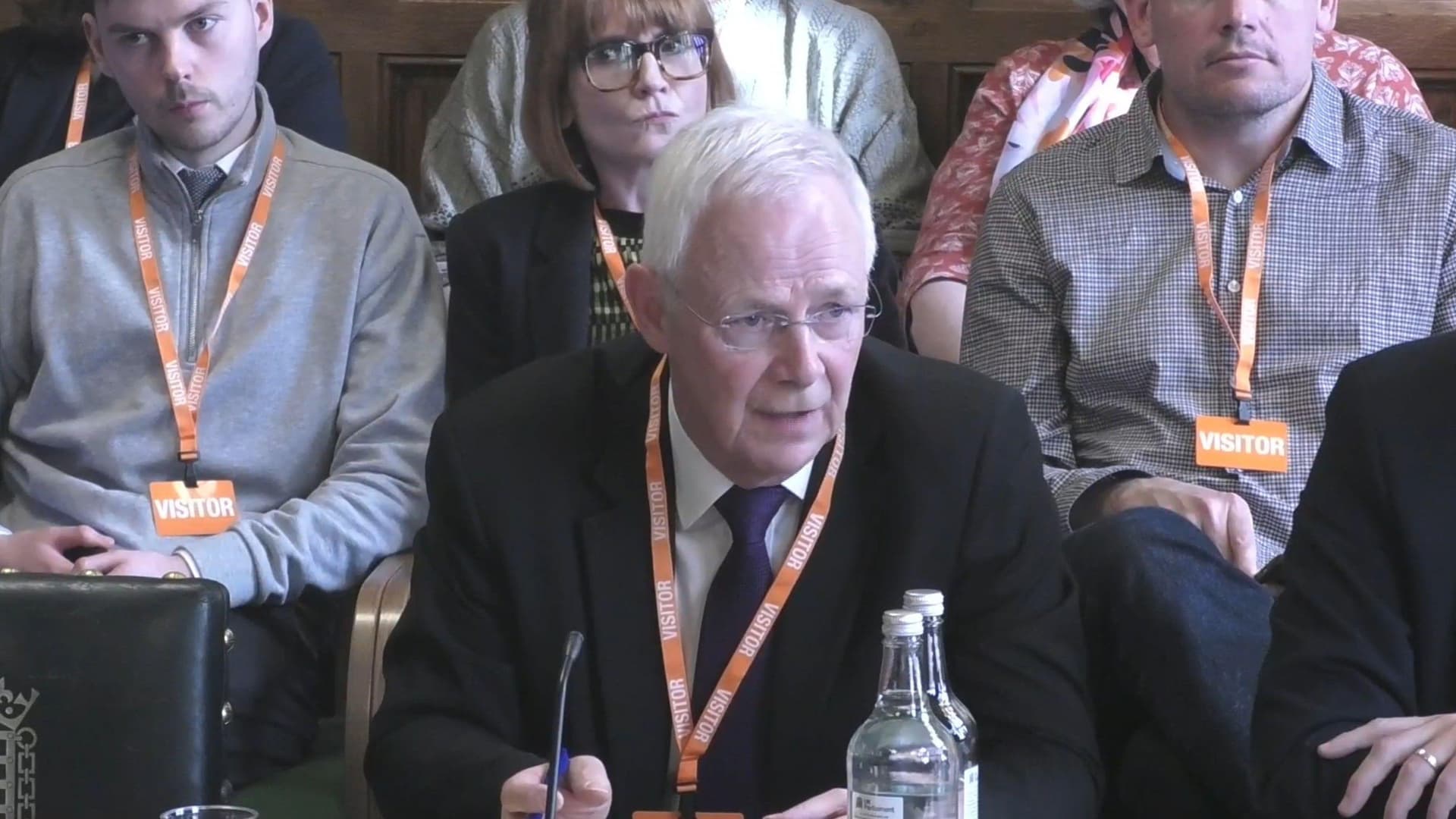
South East Water’s leadership came under renewed pressure after MPs said repeated outages had left tens of thousands of people in Kent and Sussex without reliable drinking water, with residents in Tunbridge Wells enduring two weeks under a safety notice. The company’s chair, Chris Train, resigned on 1 May, and chief executive David Hinton said he would step down but stay on through the summer for an orderly handover.
The worst disruption hit Tunbridge Wells and surrounding villages after South East Water warned residents on 29 November 2025 that tap water was unsafe for drinking, bathing, giving to pets or brushing teeth. The notice stayed in force until 12 December, when treatment works resumed and the contamination risk ended. The Environment, Food and Rural Affairs Committee said tens of thousands of customers, many in care settings or otherwise vulnerable, had been left without drinking water for two weeks.
That latest failure sat on top of a longer record of trouble. On 5 March, Ofwat proposed a £22 million fine over repeated supply failures in Kent and Sussex between 2020 and 2023, saying more than 286,000 people had been affected. The regulator said South East Water had failed to maintain supply resilience and key infrastructure, and that its response had been slow and disorganised, with shortages of bottled water and inadequate support for vulnerable customers.
Parliament’s committee then went further on 1 May, saying it had no confidence in South East Water’s chief executive or board to turn the company around. It said the pattern of failure had stretched across eight years and that lessons had not been learnt. The committee also pointed to an earlier warning from the Drinking Water Inspectorate in 2024, which flagged a significant risk of failure at the Pembury treatment centre, suggesting the company and its overseers had been on notice before the Tunbridge Wells outage.
The committee welcomed Train’s resignation but said many of the failings sat with Hinton. It also called on South East Water’s shareholders, Utilities Trust of Australia, NatWest Group Pension Fund and Desjardins Group and associated holding companies, to hold the company to account. Hinton’s delayed departure may calm the politics around the crisis, but the public question remains the same: whether leadership change will bring investment, resilience and better emergency planning, or simply absorb blame while the same infrastructure keeps failing the same communities.
This article was produced by Prism’s automated news system from verified source data, official records, and press releases, then run through automated quality and moderation checks before publishing. The system is built and supervised by the people who set the standards it runs under. Read our full AI policy.
Did this article answer your question?