South England rail delays may continue after radio fault fixed
A radio fault between drivers and signallers was fixed by 10:37, but Network Rail warned delays could still run until the end of the day across South England.
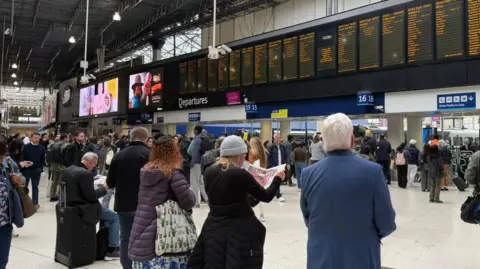
Commuters across South England faced the prospect of long delays even after a radio fault between drivers and signallers was fixed, with Network Rail warning that disruption could continue until the end of the day. National Rail said the incident was first reported at 08:53 on Thursday 7 May 2026 and updated at 10:37, when it said the fault had been resolved.
The problem affected services on various routes across the South England network and hit a long list of operators, including CrossCountry, Gatwick Express, Great Western Railway, London Overground, Southern, South Western Railway and Thameslink. That meant knock-on disruption could spread well beyond the original fault area, leaving trains delayed, rescheduled or slowed as services tried to recover.

Network Rail said delays can persist after the immediate problem has been fixed because the rail system has to untangle the backlog left behind. On busy routes with tight schedules, even a simple blown fuse can create knock-on delays that last for hours, the company says. When signals or points fail, its first priority is safety for passengers and staff, followed by restoring the system as quickly as possible to limit the damage to the timetable.
The disruption carried particular weight in Network Rail’s Southern region, which stretches from Devon in the west to Kent in the east and includes Dorset, Hampshire, East and West Sussex, Surrey, Kent and South London, as well as the Network Rail High Speed route carrying Channel Tunnel services. That wide footprint means a fault in one part of the network can ripple across a large section of the country’s rail map, affecting both local and longer-distance travel.
Passengers were being told to check live travel information and alerts through National Rail’s website, app, TrainTracker or social media channels for updates. The incident underlined how a single failure in the radio link between a driver and a signaller can still paralyze busy rail corridors long after engineers have restored the equipment.
This article was produced by Prism’s automated news system from verified source data, official records, and press releases, then run through automated quality and moderation checks before publishing. The system is built and supervised by the people who set the standards it runs under. Read our full AI policy.
Did this article answer your question?