South Korea legalizes tattooing, ending 33 years of restriction
South Korea’s lawmakers ended a 33-year ban on non-medical tattooing, opening the door to licensing, exams and formal labor protections.
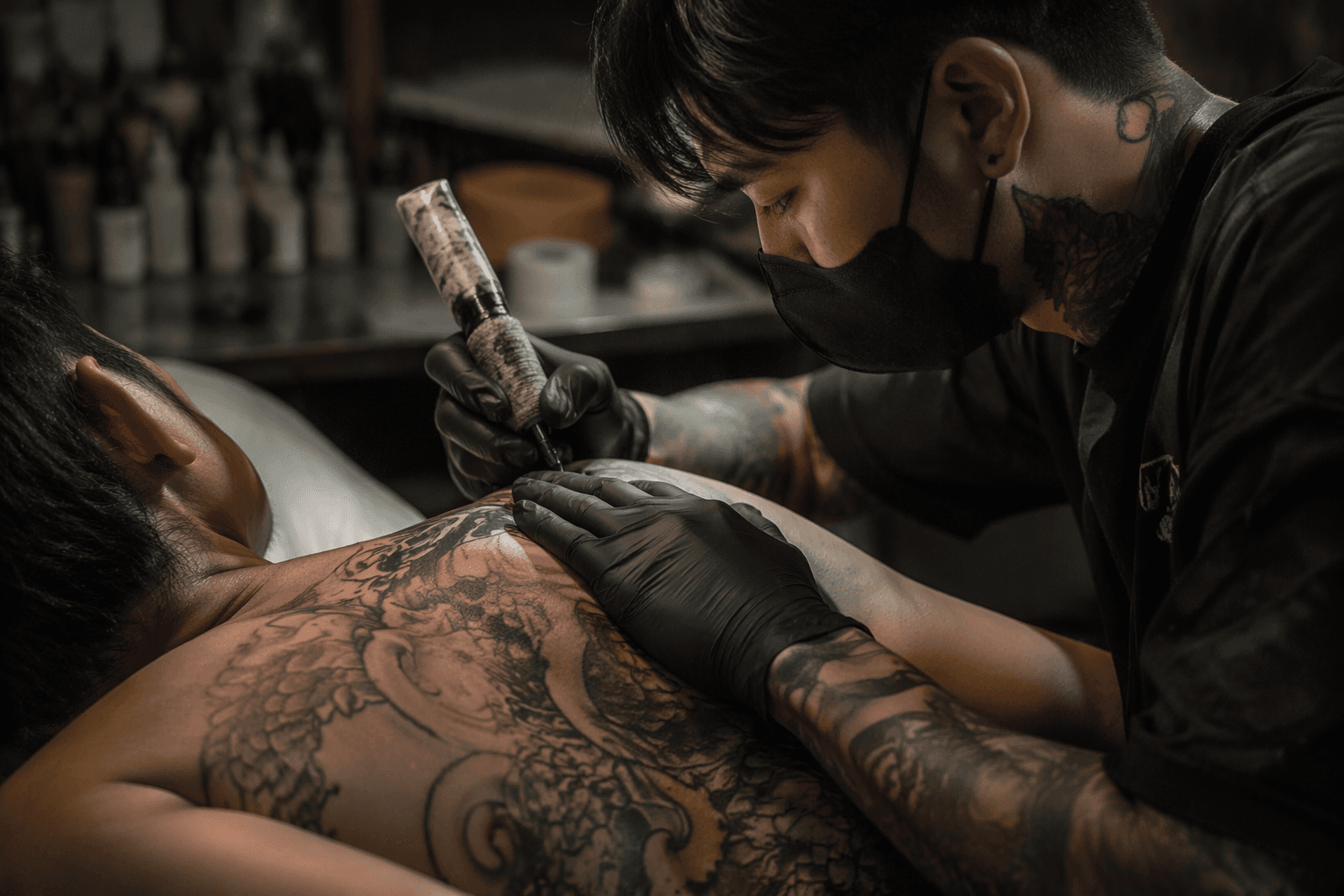
Tattooists across South Korea celebrated in Seoul after lawmakers ended 33 years of restriction on their work, approving a bill that will let non-medical professionals legally tattoo once a new licensing system is in place.
South Korea’s National Assembly passed the Tattooist Act on Sept. 25, 2025, with 195 votes in favor and seven abstentions among 202 members present. The measure legalizes tattooing by non-medical professionals and defines tattoos and semi-permanent makeup as “tattooing acts,” a change that moves the industry from the shadows into a formal regulatory system.

The law requires a national exam and license for professional practice, creating the first official path to legal work for artists who long faced criminal exposure under the Medical Service Act. That ban rested on a 1992 Supreme Court ruling that classified tattooing as a medical procedure, a framework the Constitutional Court of Korea upheld in 2022 by one vote.
The new system will not remove every restriction. Tattoo removal by non-medical professionals remains prohibited, and tattooing minors without parental consent is still barred. The law will not take effect immediately; it comes with a two-year grace period, meaning implementation is expected in 2027.
For tattooists, the vote marked more than a legal technicality. It signaled recognition of an industry that has grown despite years of stigma and legal risk, especially among younger South Koreans and within the wider K-culture sphere. Recent reports have estimated the tattoo industry at about 200 billion won a year, with estimates of those involved ranging from more than 20,000 to more than 300,000. Reporting has also cited about 13 million South Koreans with at least one tattoo.
The scale of those numbers underscores how sharply public practice had diverged from the law. In Yeouido, where the Assembly sits, the vote closed a long chapter in which tattooing remained widely demanded but formally criminalized for anyone without a medical license. For artists who spent years working underground, the new licensing system offers legal recognition, clearer standards and the prospect of labor protections that were impossible under the old regime.
This article was produced by Prism’s automated news system from verified source data, official records, and press releases, then run through automated quality and moderation checks before publishing. The system is built and supervised by the people who set the standards it runs under. Read our full AI policy.
Know something we missed? Have a correction or additional information?
Submit a Tip