South Korea, Philippines scramble for oil as Middle East war disrupts supply
Seoul is sending five ships to Yanbu while Manila seeks a U.S. waiver to keep buying Russian oil, as Hormuz fears drive both allies to hedge.
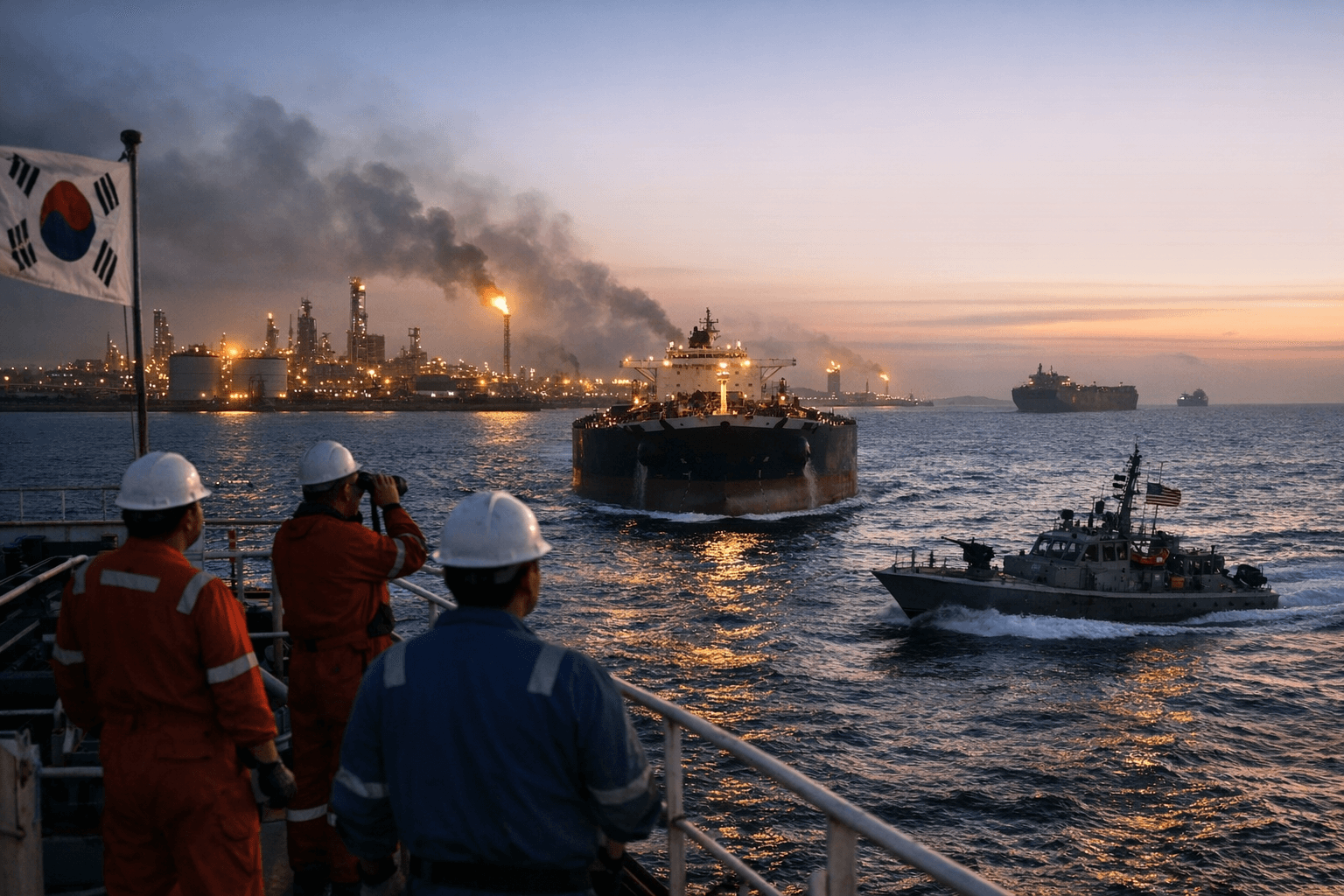
South Korea and the Philippines are moving fast to shield themselves from a Middle East war that has rattled oil markets, exposing how quickly energy security can collide with alliance politics. With the Strait of Hormuz under threat and crude prices still climbing, both governments have turned toward stopgap deals that would have looked improbable before the fighting tightened supply.
In Seoul, President Lee Jae Myung warned on April 6 that South Korea had to accept some risk in Middle East crude imports because alternative routes were limited and any cutoff could seriously damage supply. By April 14, Lee said rising tensions around the Strait of Hormuz made it hard to be optimistic, adding that high oil prices and supply-chain strains were likely to persist and should be treated as a prolonged disruption. South Korea is now sending five Korean-flagged ships to Saudi Arabia’s Red Sea port of Yanbu to help establish a route that bypasses Hormuz, while officials are also dispatching envoys to Saudi Arabia, Oman and Algeria to secure alternative crude volumes. Ahn Do-geol, South Korea’s industry minister, said the country was close to locking in crude supplies from Kazakhstan.
The Philippines is making its own uneasy adjustments. The Department of Energy is seeking an extension of a 30-day U.S. sanctions waiver so the country can keep buying Russian oil and petroleum products after the waiver lapsed over the weekend. Sharon Garin has framed the request as a way to keep fuel supplies stable as global markets swing under wartime pressure. At the same time, Manila said a recent arrangement with Iran allowing safe and unhampered passage for oil vessels through the Strait of Hormuz remains in effect, even as the U.S. plans to block the waterway.
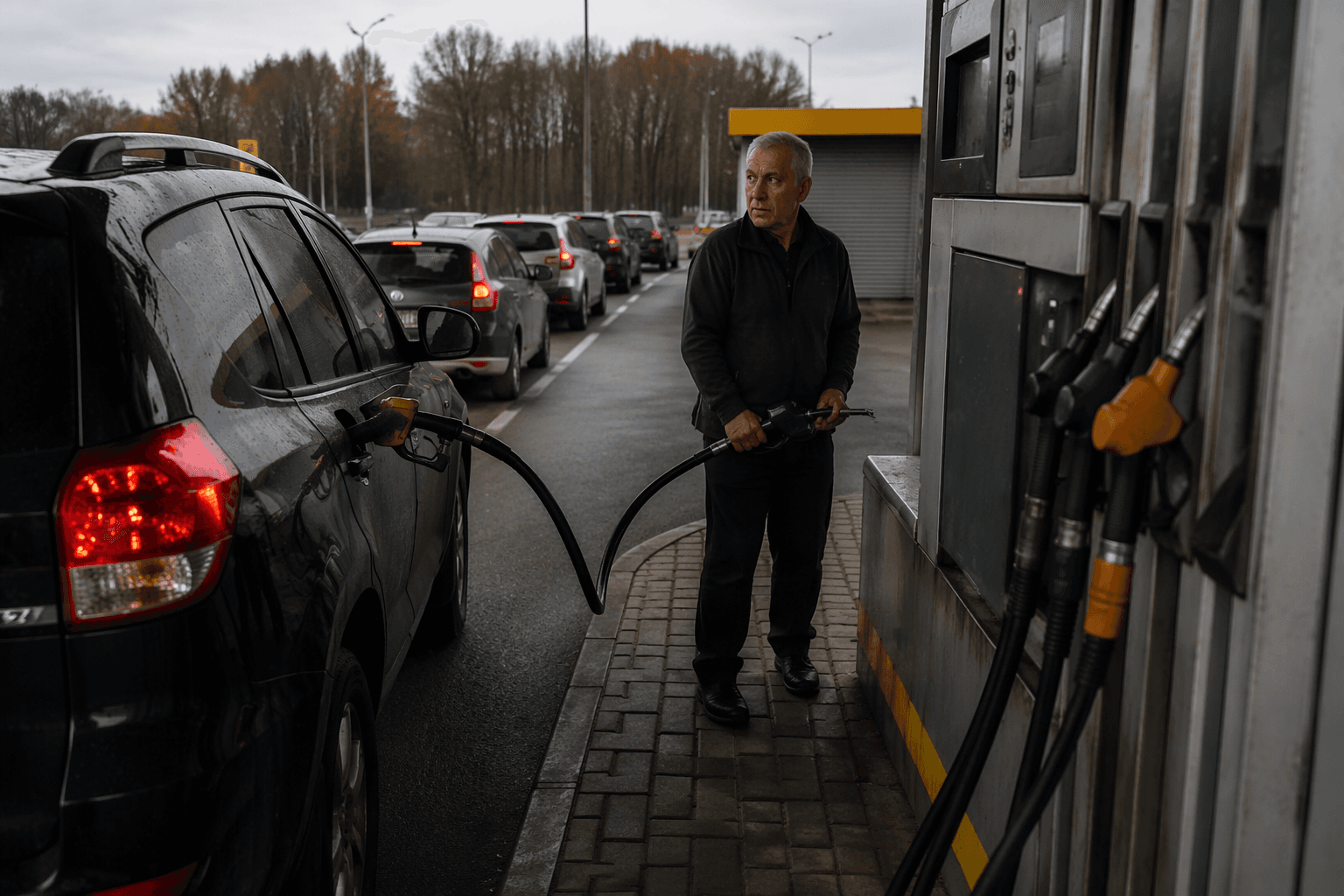
The scramble underscores the pressure created by one narrow chokepoint. The Strait of Hormuz carries about 20% of global oil supply, and analysts have described the war’s impact as the biggest oil supply disruption since the 1970s energy crisis. For Washington, the contradiction is stark: close partners in Asia are still looking to Russia and Iran, because fuel security and domestic price pressure are forcing them to hedge against the limits of U.S. power.
This article was produced by Prism’s automated news system from verified source data, official records, and press releases, then run through automated quality and moderation checks before publishing. The system is built and supervised by the people who set the standards it runs under. Read our full AI policy.
Did this article answer your question?