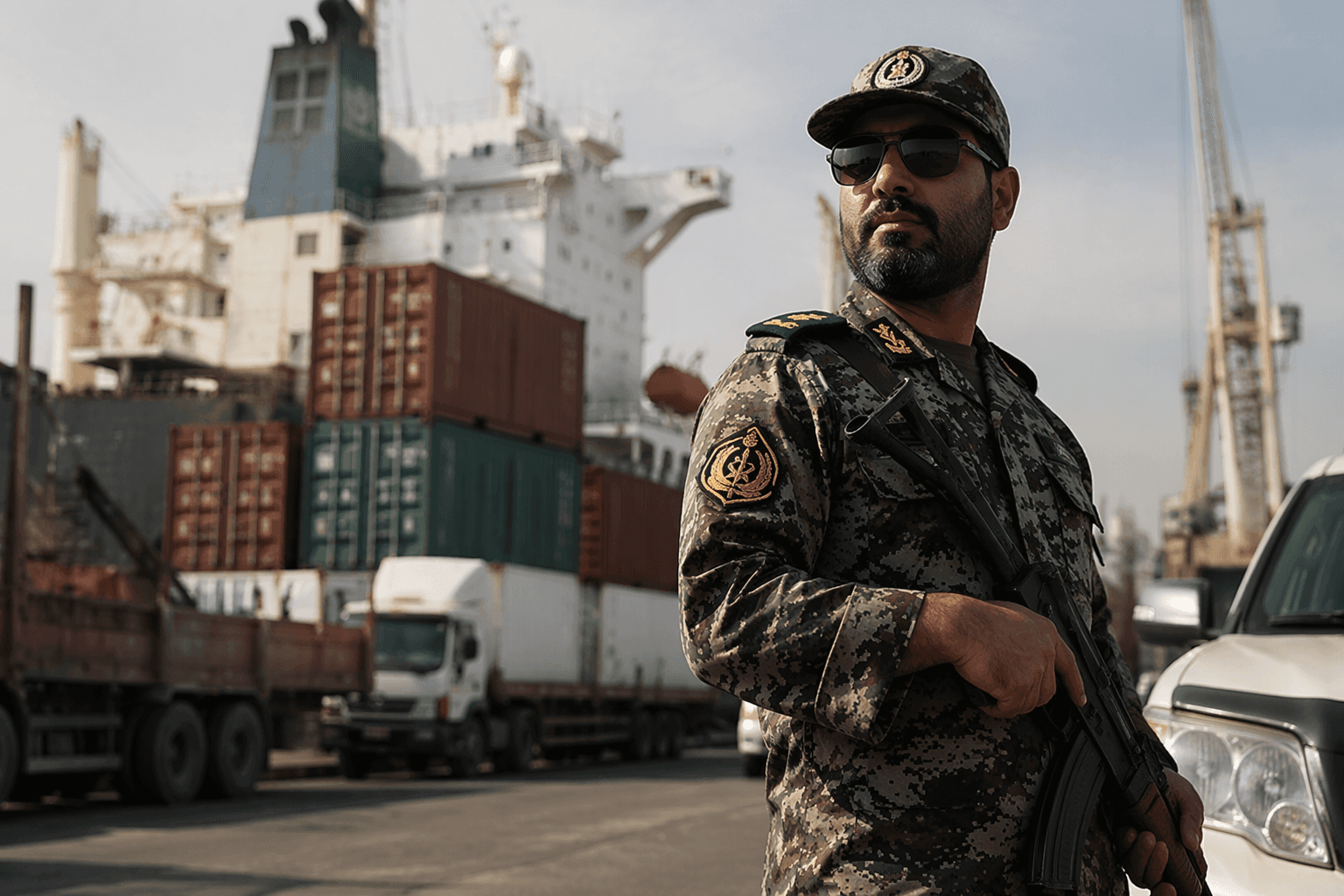
South Korean island revives French whaler wreck as wine festival
A remote island turned a 1851 French whaler wreck into a wine festival, tying champagne, makgeolli and survival to its fight against depopulation.
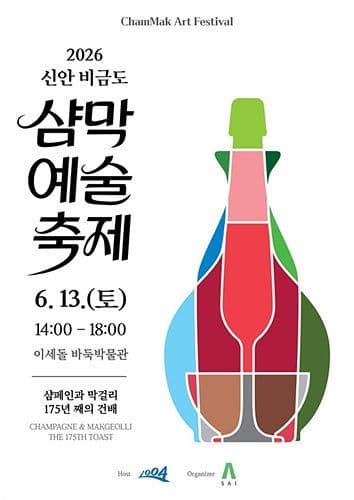
On Bigeumdo Island, an obscure shipwreck from 1851 has been recast as an economic plan. Sinan County in South Jeolla Province has turned the grounding of the French whaler Narval into a cultural festival built around what officials call an encounter between champagne and makgeolli, hoping heritage tourism can keep a remote district from sliding further into decline.
The Narval was a 450-ton vessel from Le Havre commanded by Captain Rivalan. It had spent nearly 12 months whaling in China, Japan and Korea before running aground near the southwest Korean islands on April 3, 1851, with a crew of 30 Frenchmen and two canine mascots. Accounts say almost all of the crew made it ashore, saving little besides their lives.
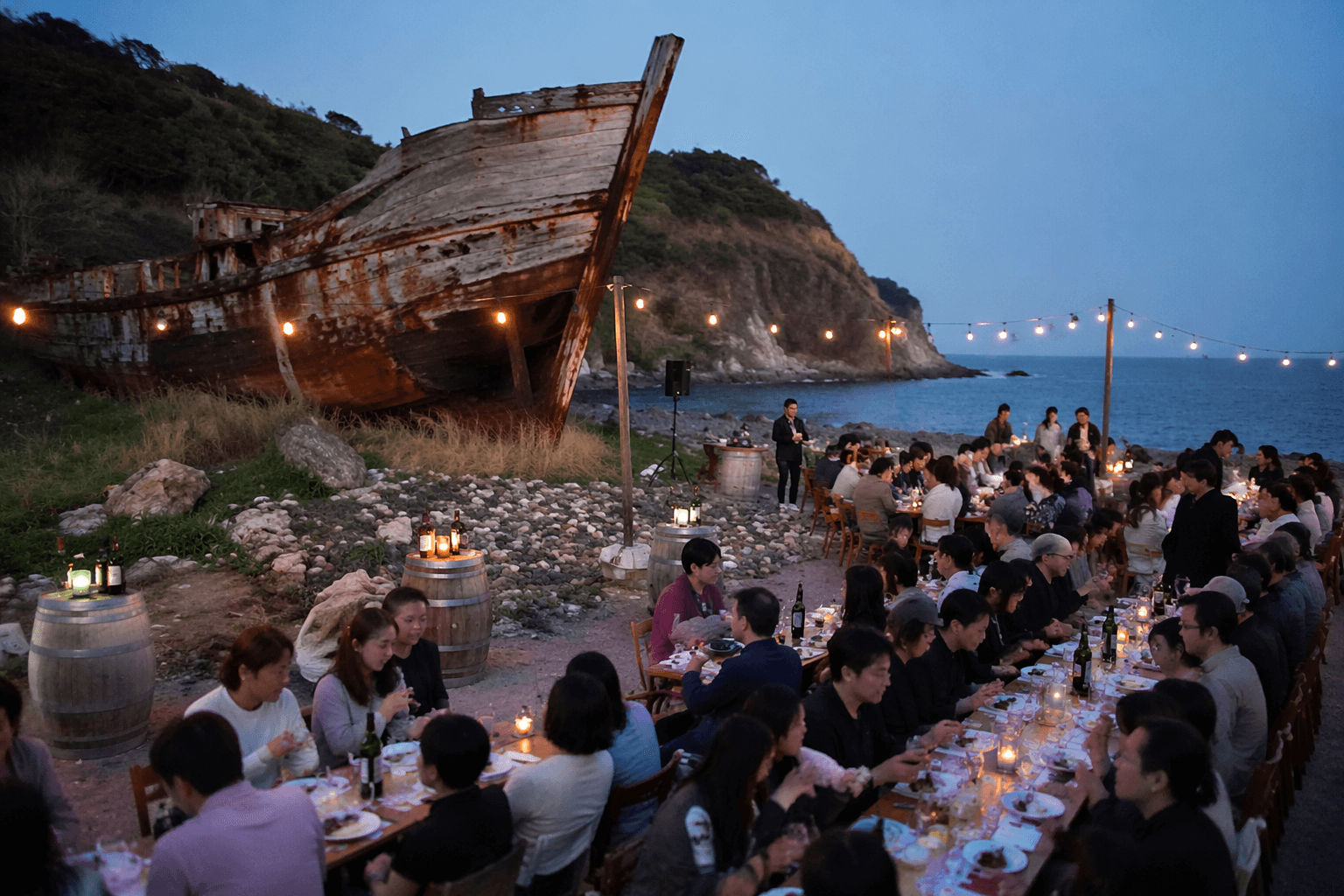
Local Joseon officials fed, sheltered and helped the stranded sailors despite the language barrier. French consul Charles de Montigny later traveled from Shanghai to retrieve the crew, and a farewell banquet reportedly served French champagne and wine beside Korean makgeolli. De Montigny received a small earthenware wine bottle as a gift, a detail now described as one of the earliest surviving traces of contact between Korea and France, 35 years before the two countries formalized diplomatic relations in 1886.
Sinan County has pushed the story as both history and product. The island is described by the county as a gateway to the southwestern sea, part of Dadohaehaesang Marine National Park and a UNESCO biosphere zone, with attractions including Myeongsasipri Beach, Daedong Salt Field and traditional island culture. The Narval narrative gives those assets a sharper hook, linking a maritime accident to a tourism brand that can travel beyond the island itself.
That effort sits inside a broader campaign to mark the 140th anniversary of Korea-France diplomatic ties in 2026, with museum exhibitions in Seoul highlighting diplomatic documents, letters and royal gifts. But for Sinan, the point is more immediate: cultural and arts festivals have been framed as a response to population extinction pressures, making the Narval story less a commemorative flourish than a test case for whether historical memory can still pay the bills on a shrinking island.
This article was produced by Prism’s automated news system from verified source data, official records, and press releases, then run through automated quality and moderation checks before publishing. The system is built and supervised by the people who set the standards it runs under. Read our full AI policy.
Know something we missed? Have a correction or additional information?
Submit a Tip