SpaceX files for historic IPO, could debut on Nasdaq as SPCX
SpaceX’s public filing set up a June Nasdaq debut that could raise $75 billion and force investors to price rockets, satellites and AI in one stock.
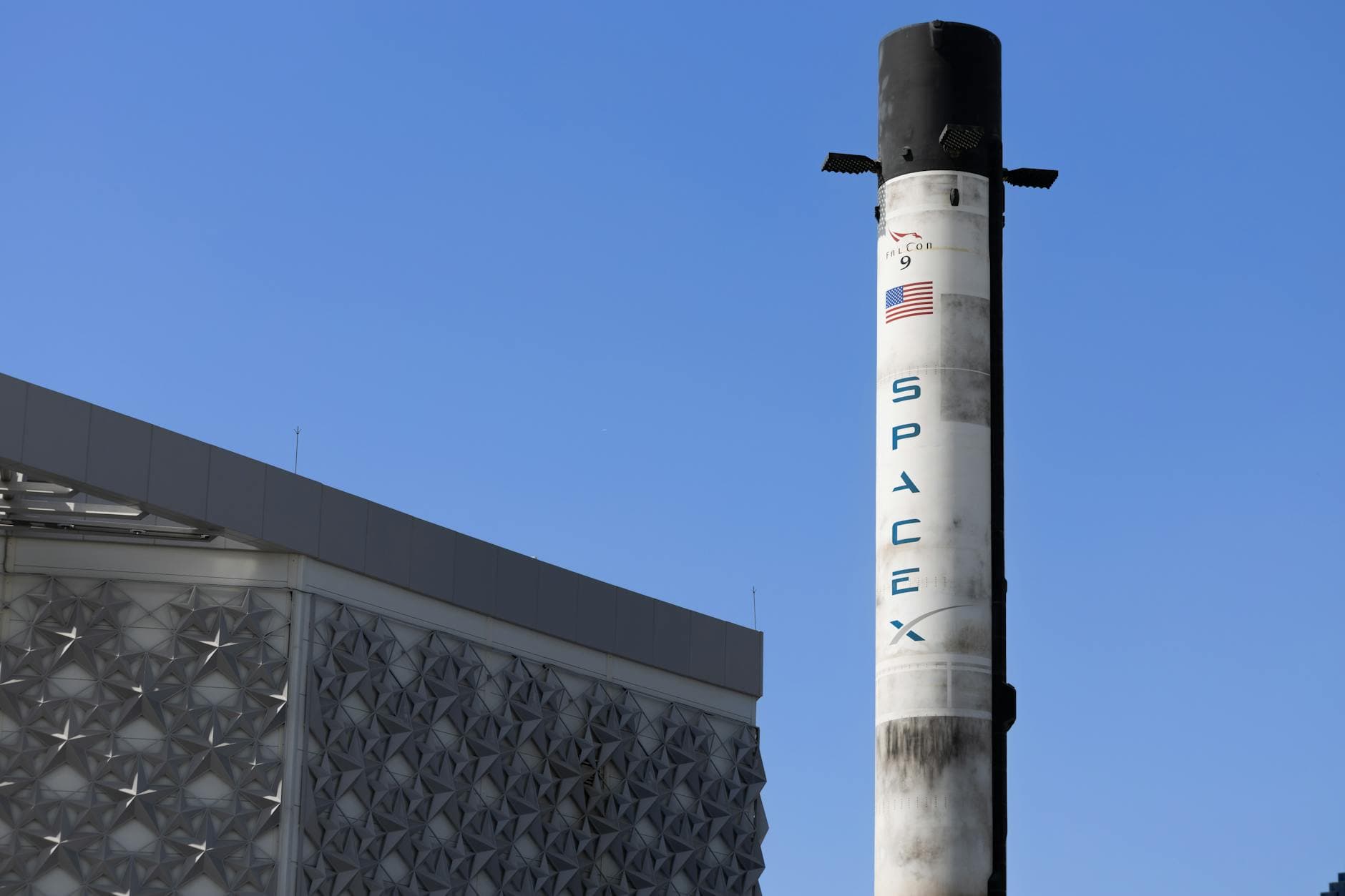
SpaceX threw open the door to Wall Street on Wednesday, filing its IPO prospectus with the SEC and setting up a test of whether public markets can value a company that is part launch provider, part defense-adjacent contractor and part global internet operator. The company plans to list on Nasdaq under the ticker SPCX, with reporting pointing to a June 4 roadshow, June 11 pricing and a debut as soon as June 12.
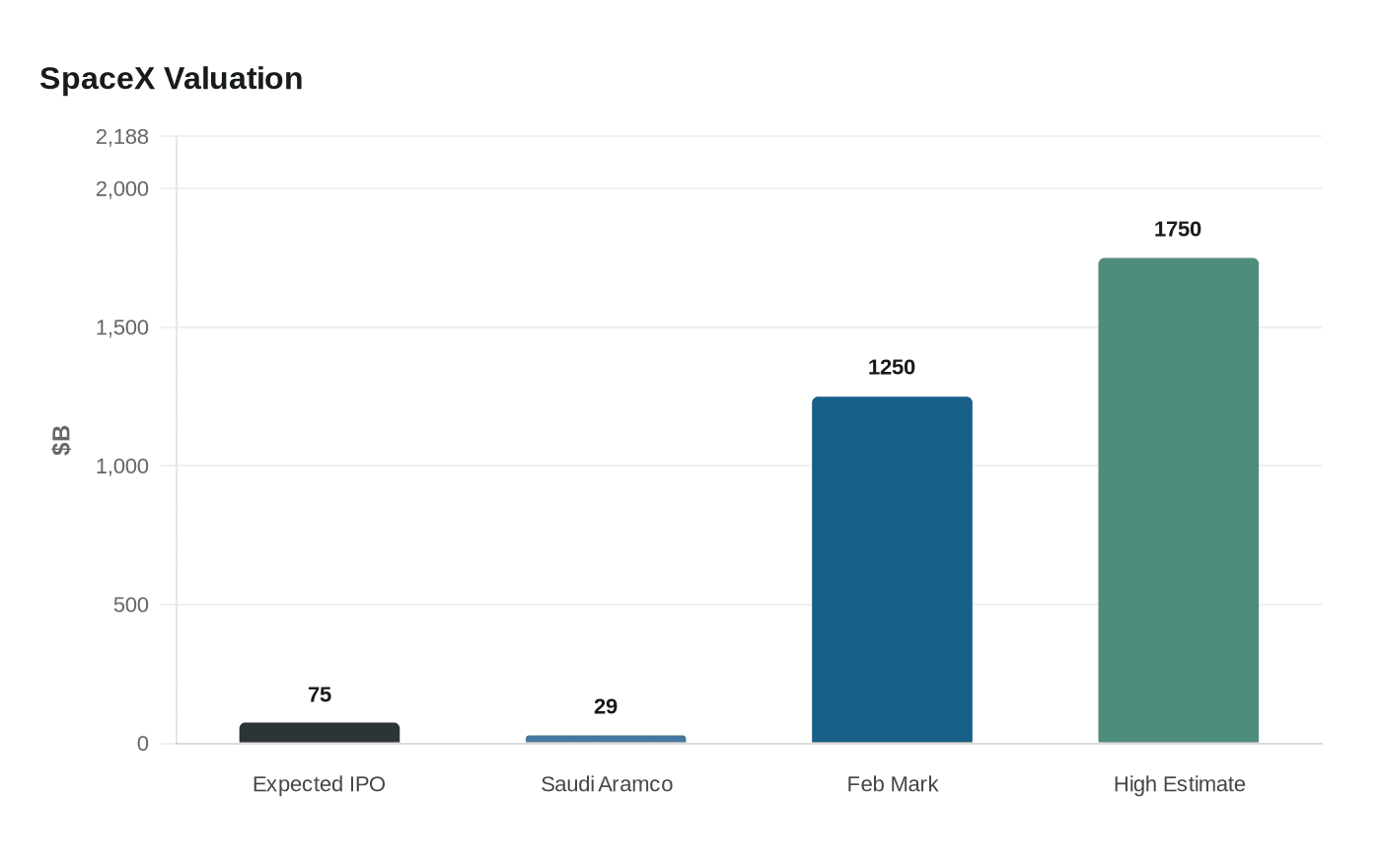
If the deal lands near the expected $75 billion, it would be the largest IPO ever, easily topping Saudi Aramco’s $29 billion offering in 2019. That would also make SpaceX the first U.S. market debut above $1 trillion, a threshold that turns the offering into more than a fundraising event and into a referendum on how much investors are willing to pay for strategic scale, technological dominance and regulatory complexity.
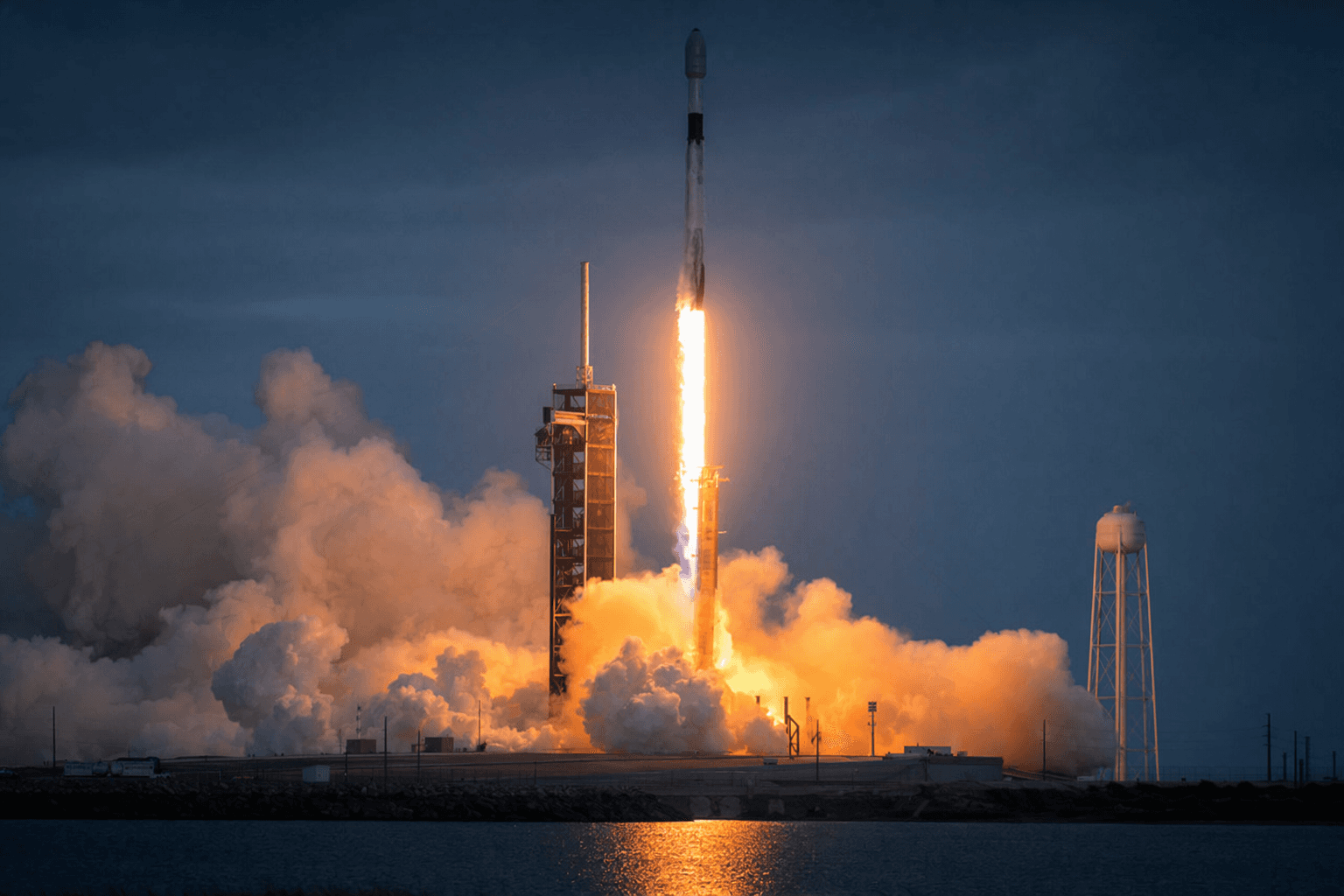
The filing showed why the valuation debate is so difficult. SpaceX said Starlink generated operating profit in the first quarter, even as the company overall posted a large operating loss. That split captures the challenge for investors: the satellite internet business is already producing cash, while the rocket side remains capital-intensive and exposed to launch failures, government contracts and the long horizon of interplanetary ambitions.
Those ambitions are increasingly broad. Founded by Elon Musk in 2002, SpaceX now spans reusable rockets, a constellation of thousands of Starlink satellites, and artificial intelligence plans that include data centers in space. Reuters reporting said the company has become NASA’s biggest launch partner since the shuttle program ended in 2011, giving it a central role in U.S. space infrastructure as well as a growing commercial one.
The valuation race has moved quickly. SpaceX was marked at $1.25 trillion in February after merging with xAI, and some reports say a successful sale could push the company as high as $1.75 trillion. That would place Musk on a path to become the world’s first trillionaire, but the bigger market question is whether that number can hold once SpaceX becomes subject to quarterly scrutiny, public filings and a wider investor base.
Governance may prove as contentious as the valuation. The prospectus underscores Musk’s tight control through a dual-class share structure, and several large public pension funds have protested the terms, arguing that no IPO of comparable size has proposed such management-favoring protections. Goldman Sachs is lead left on the offering, with Morgan Stanley, Bank of America, Citigroup and JPMorgan Chase also among the top underwriters. The stock may soon trade in public, but the real judgment will come on how much control investors are willing to surrender for a piece of the company shaping the next era of rockets, broadband and space-based computing.
Know something we missed? Have a correction or additional information?
Submit a Tip