SpaceX prepares first launch of next-generation Starship V3 on Tuesday
SpaceX’s new Starship V3 must prove a redesigned rocket, pad and Raptor engine can all work at once as NASA’s lunar clock keeps ticking.
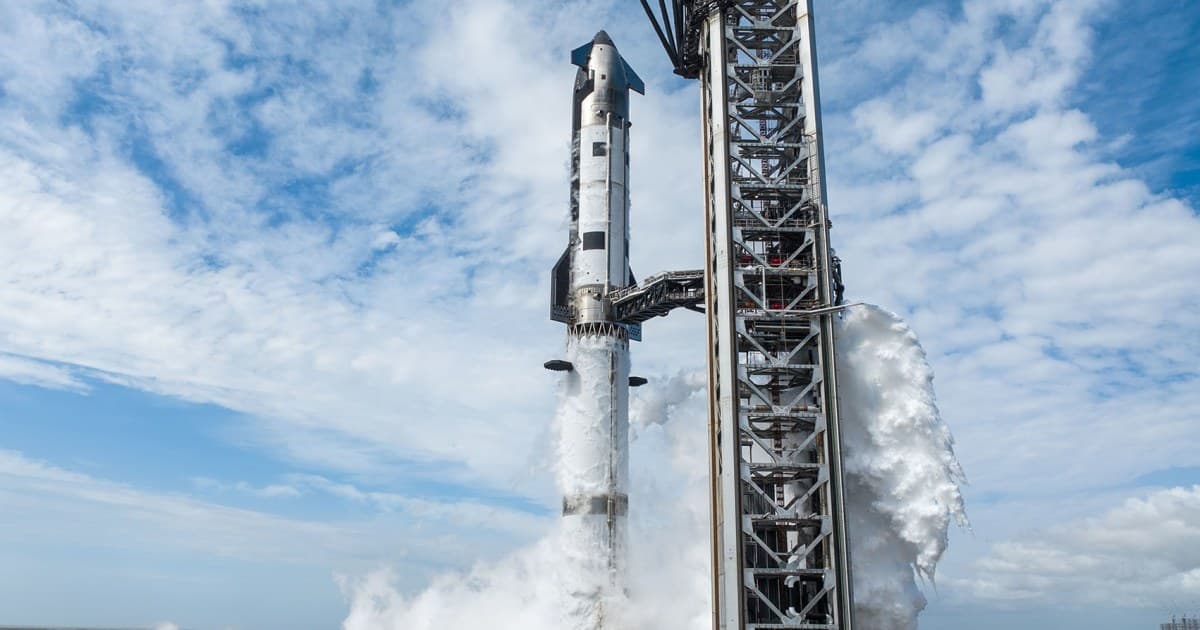
SpaceX is about to put its biggest promises to the test again, this time with the first launch of Starship V3, a redesigned version of the rocket NASA wants for future moon landings. The company says Flight 12 is set to lift off as soon as Tuesday, May 19, 2026, from Starbase in South Texas, with the launch window opening at 5:30 p.m. CT and a webcast beginning about 45 minutes before liftoff.
This flight is more than a routine checkup. SpaceX says it will debut the third-generation Starship-Super Heavy system, powered by the next evolution of the Raptor engine and launched from a newly designed pad. The company says the vehicle reflects years of flight testing and development, and the mission will be the first time those changes are carried together in the flight environment. The booster is expected to go through launch, ascent, stage separation, boostback burn and landing burn to an offshore point in the Gulf of America, but not a tower catch on this first redesigned flight.
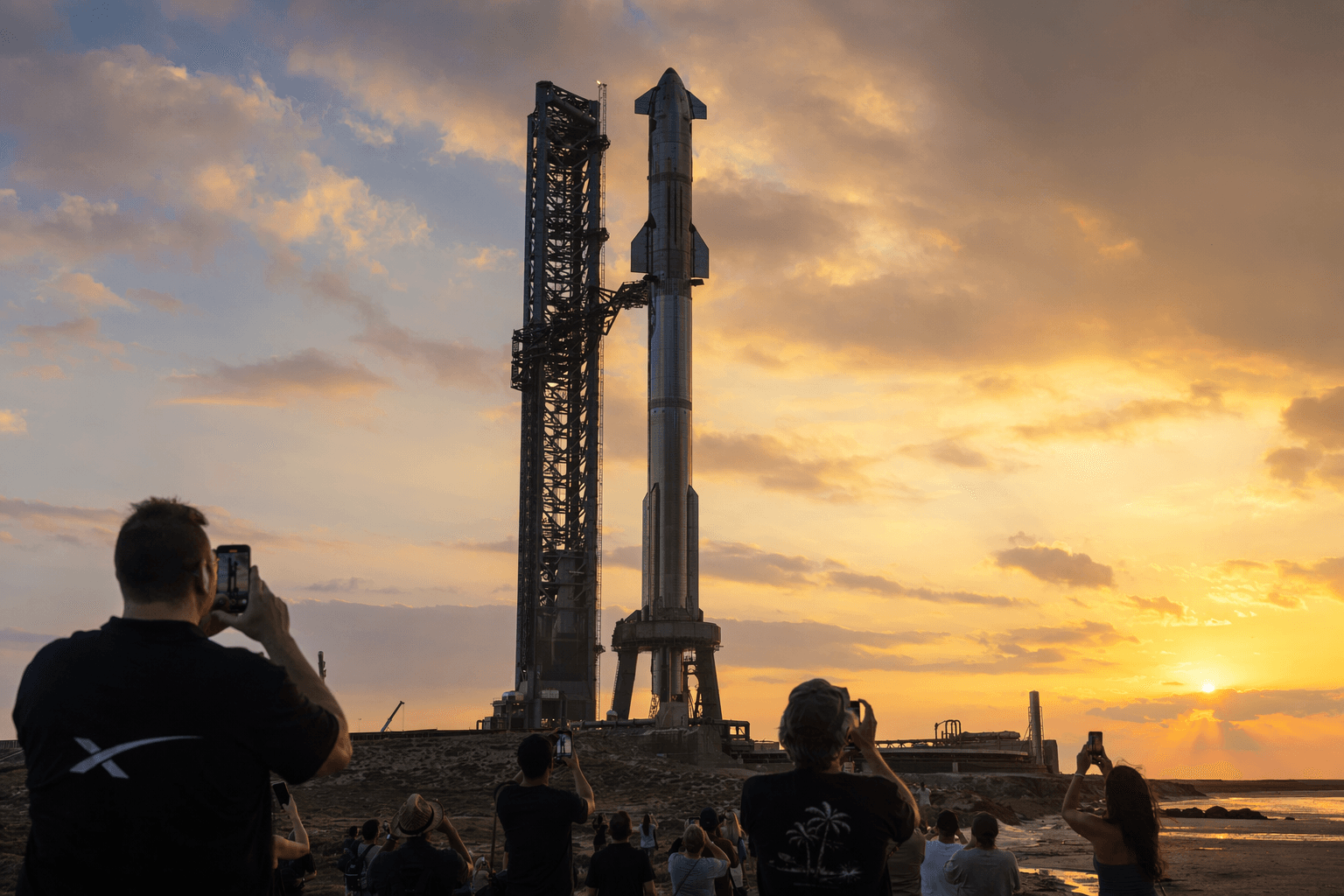
The upper stage has its own scorecard. SpaceX says it will deploy 20 Starlink simulators and two specially modified Starlink satellites, then attempt a relight of a single Raptor engine in space. The mission also includes heat-shield work, with painted tiles and one intentionally removed tile to measure thermal and aerodynamic effects. SpaceX says the flight will test a maneuver meant to stress the vehicle’s rear flaps and a dynamic banking move intended to mimic future return trajectories to Starbase.
That matters because Starship sits at the center of NASA’s Artemis plans. NASA selected SpaceX in 2021 to develop the Starship Human Landing System for Artemis III, and the agency still sees the vehicle as a key commercial system for crewed lunar exploration. But the development history has been uneven. On Flight 8, launched March 6, 2025, Starship reached space, then suffered an energetic event in its aft section, lost several Raptor engines, lost attitude control and communications, and was destroyed about 9 minutes and 30 seconds after liftoff. The Super Heavy booster on that flight did achieve a tower catch, SpaceX’s third successful catch of a Super Heavy booster.
The timing of Flight 12 lands as NASA adjusts its own lunar schedule. Artemis III planning has recently shifted toward an Earth-orbit mission in 2027 to test rendezvous and docking with commercial landers before attempting a lunar landing. NASA’s Artemis III updates page, updated May 15, says the agency is moving quickly to define next year’s mission while continuing work on the moon rocket core stage and next-generation spacesuits. For SpaceX, a clean debut for Starship V3 would strengthen the case that rapid iteration is real. Another setback would raise harder questions about how soon the company can deliver the reliability NASA needs.
Know something we missed? Have a correction or additional information?
Submit a Tip