Spring cleaning boosts safety, air quality and mental well-being
Spring cleaning is a low-cost way to cut hazards, freshen indoor air and ease stress. The biggest wins come from removing clutter, moisture and dust before they become expensive problems.
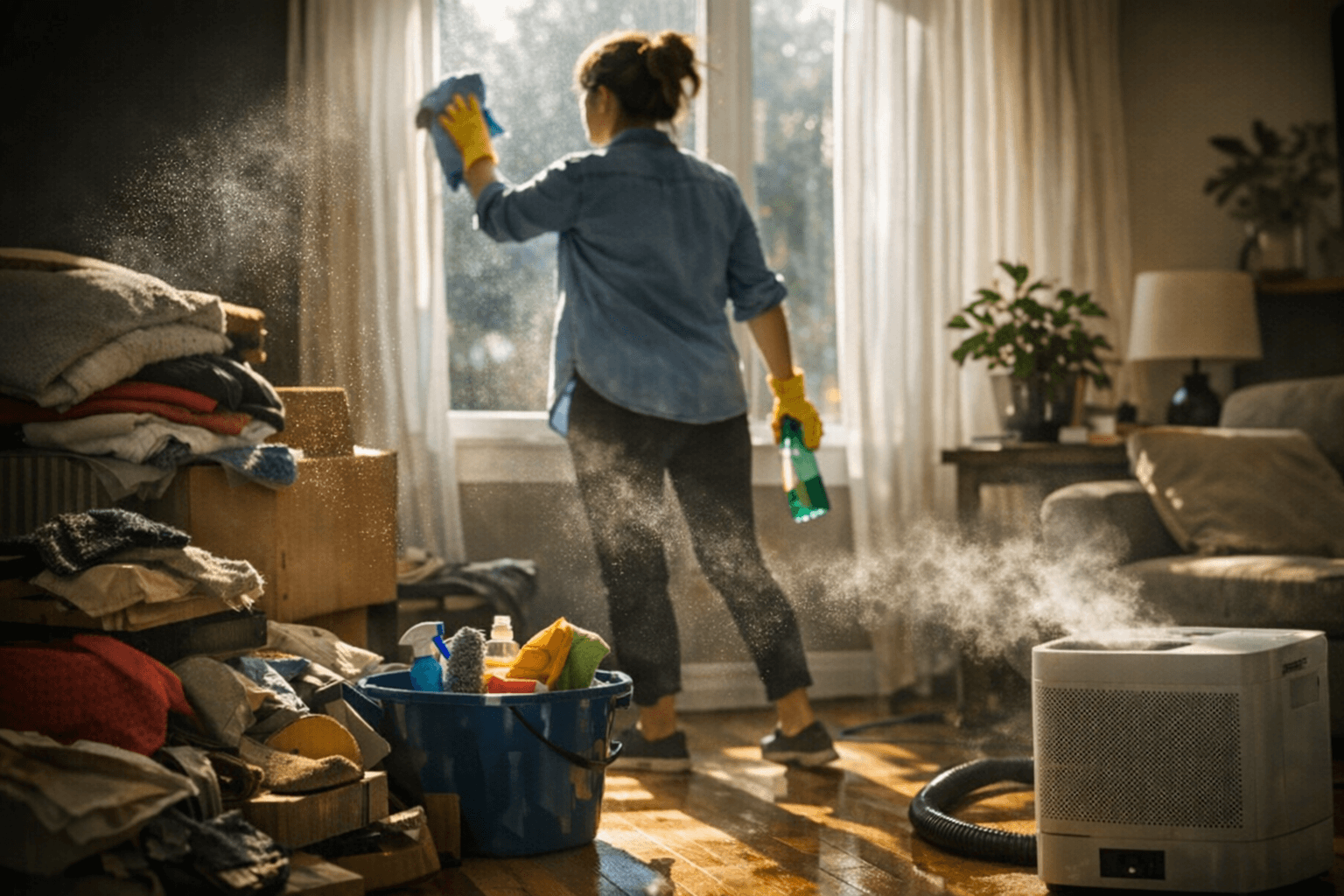
Why spring cleaning pays off
Spring cleaning is not just about making a home look neat. It is a practical reset that can protect safety, improve indoor air quality and reduce the kind of clutter that quietly drains energy, time and money. Consumer Reports notes that clutter can become a tripping hazard, raise fire risk and contribute to mold and mildew when damp items pile up. That makes this season less about perfection and more about preventing problems before they turn into repairs or health concerns.
There is also a mental health payoff. Research published in peer-reviewed journals has linked clutter to lower quality of life, with effects on livability, social connections and financial well-being. When a home feels overloaded, the stress is not only visual. It can make it harder to focus, harder to relax and harder to start the next task.
Start with the places that protect health
The best spring cleaning jobs are the ones that reduce risk fast. Begin with the areas where dust, dampness and obstructions can cause trouble. Hallways, stairs, entryways and bedrooms deserve special attention because clutter in those spaces can create fall hazards, especially when boxes, shoes or bags start to spread.
Pay close attention to anything that has stayed wet, hidden or forgotten. Consumer Reports warns that damp items can encourage mold and mildew, which is one reason spring cleaning should include basements, laundry areas, bathrooms and spots near sinks or windows. If an item smells musty, feels damp or has visible spotting, it needs to be dealt with promptly rather than folded back into storage.
Focus on the tasks that save money
The most valuable spring cleaning jobs are often the least glamorous. Clearing dust from vents, wiping away grime before it hardens and checking for moisture problems can help you avoid larger repair bills later. If you wait until mold spreads, a simple cleanup can become a costly remediation job. If clutter blocks exits, steps or appliances, the risk is not just inconvenience but damage and injury.
- under sinks for leaks
- around windows for moisture
- behind furniture for dust buildup
- closets and storage bins for damp items
- entryways for tripping hazards
Use this season to inspect the parts of the home that tend to fail quietly:
These are the places where a few minutes of attention can prevent bigger expenses. A clean, dry home is easier to maintain, and maintenance is cheaper than replacement.
Make indoor air quality part of the reset
Spring invites you to open windows, and that shift matters. Warmer weather often exposes dust and grime that went unnoticed during winter, when homes tend to stay sealed up. That is why spring cleaning is so closely tied to indoor air quality: dust, stale air and lingering debris all become more noticeable once the season changes.
A thorough clean helps with more than appearance. Dusting surfaces, vacuuming floors and removing clutter can reduce the material that collects in corners and circulates through a home. If you live with allergies, asthma or other respiratory sensitivities, this is one of the most practical reasons to tackle the work now rather than later. Fresh air helps, but fresh air works best when it is not carrying a houseful of dust into every room.
Keep the mental reset small enough to start
One reason people put off decluttering is that the job can feel too large to begin. TIME reported on March 26, 2026 that experts recommend a very small target, such as putting away five items a day, to break through that inertia. That matters because the emotional barrier is often larger than the physical one.
If the mess feels overwhelming, shrink the task until it becomes manageable. Put away five things. Fill one trash bag. Clear one shelf. Sort one drawer. The point is not speed; it is momentum. Small wins matter because clutter can trigger stress and frustration long before the cleanup is finished, and a modest daily routine can keep the job from becoming a weekend that never ends.
A simple order of operations helps
A good spring cleaning plan starts with what is easiest to see and most likely to cause harm. Move room by room, and begin with the items that are either unsafe or clearly useless. That approach keeps you from wasting time rearranging clutter that should simply leave the house.
1. Remove trash, broken items and anything damp.
2. Clear floors, stairs and exits first.
3. Sort paperwork, duplicates and unused household goods.
4. Wipe surfaces, vacuum and dust.
5. Check for leaks, mildew and areas that need repair.
This sequence works because it strips away the hazards before you spend time polishing what is left. It also makes the home feel better faster, which can reduce the emotional drag that often comes with cleaning projects.
Know what to do yourself and what to outsource
Not every spring task is worth doing alone. The most cost-effective work is the straightforward, preventive kind: sorting clutter, wiping surfaces, vacuuming, washing removable items and checking for obvious signs of moisture or damage. These jobs cost little and can stop small problems from becoming bigger ones.
Outsourcing makes more sense when the job is large, physically difficult or potentially hazardous. Deep mold cleanup, major carpet extraction, heavy lifting and repairs tied to leaks or structural damage may require professional help. Paying for expertise in those cases can be cheaper than doing the wrong thing and making the problem worse. If a task involves hidden moisture, repeated odors or damage you cannot fully assess, it is usually safer to bring in a pro.
Spring cleaning also has a community dimension
The urge to clean is not limited to individual homes. In Philadelphia, the City of Philadelphia began its 2025 street-cleaning program on Tuesday, April 14, 2025, with staggered cleaning times and alternate-day enforcement in some areas. That public effort reflects the same basic idea that applies inside the home: clean spaces are safer spaces, and maintenance works better when it is organized.
Public cleaning programs also show how sanitation affects daily life beyond the front door. Street sweeping, parking enforcement and neighborhood cleanup schedules all shape access, inconvenience and compliance. When cities invest in these programs, they are not just improving appearance. They are helping manage debris, safety and shared environmental quality across entire blocks.
The bottom line
Spring cleaning is most valuable when you treat it as prevention, not performance. A focused reset can reduce fall hazards, lower fire risk, limit mold and mildew, and make a home feel more manageable. The goal is not a picture-perfect house. It is a safer, healthier and less expensive place to live, one cleared shelf and one dry corner at a time.
This article was produced by Prism’s automated news system from verified source data, official records, and press releases, then run through automated quality and moderation checks before publishing. The system is built and supervised by the people who set the standards it runs under. Read our full AI policy.
Did this article answer your question?