Starmer Faces Leadership Pressure as Labour’s Stability Promise Wobbles
Starmer's local-election drubbing has triggered a Labour revolt, reviving questions about whether Britain can hold steady after six leaders in a decade.
Keir Starmer’s promise of renewed competence is colliding with a familiar British problem: another prime minister under pressure, and another test of whether Westminster can hold its course. If Starmer were forced out, Britain would have moved through six leaders in roughly a decade, a churn that reaches far beyond Labour’s internal discipline and cuts to the durability of government after years of Brexit-era disruption.
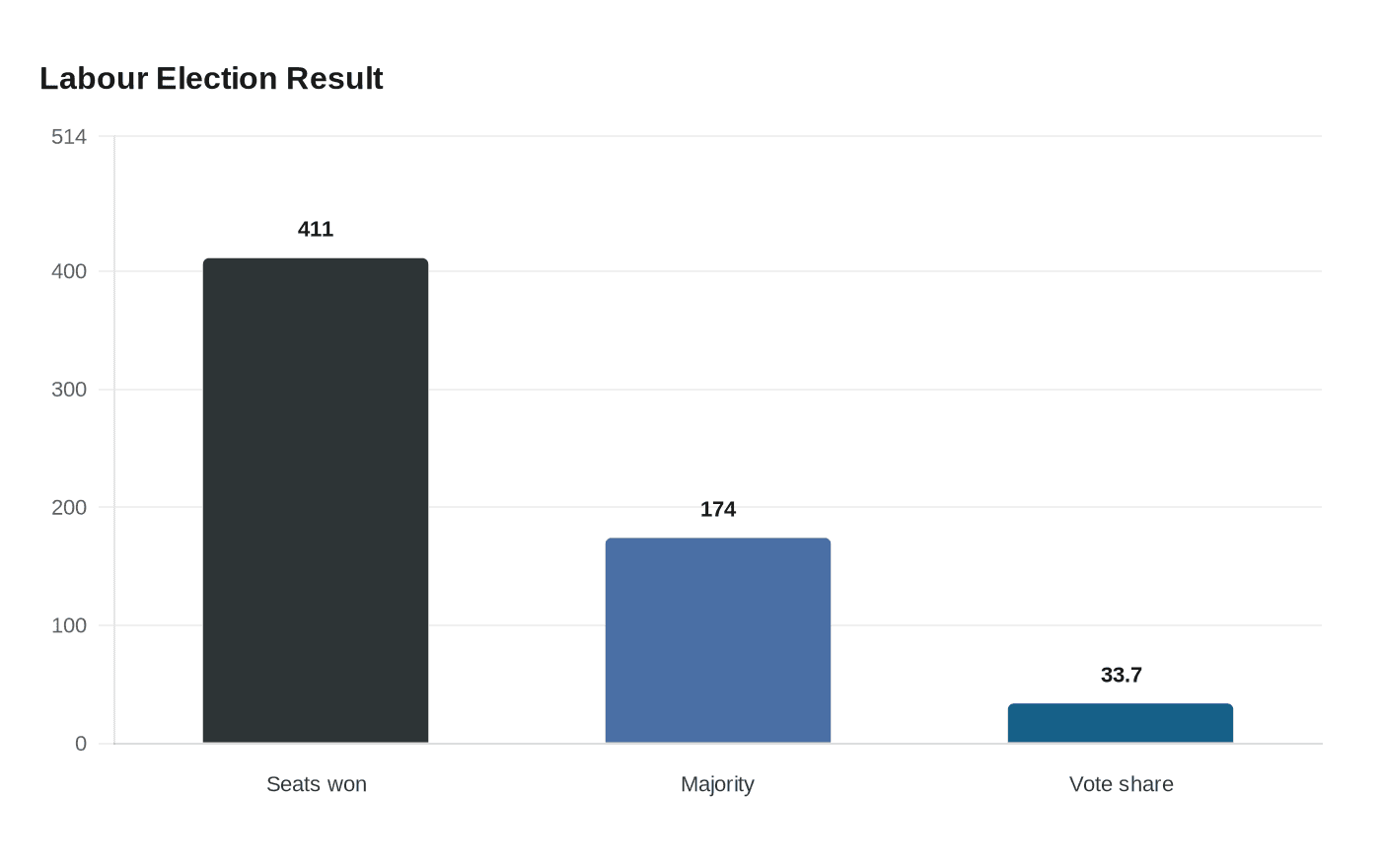
Starmer entered Downing Street on 5 July 2024, one day after Labour’s landslide victory in the 4 July general election ended 14 years of Conservative rule. Labour won 411 seats and a 174-seat majority, but it did so on 33.7% of the vote, a reminder that a commanding Commons position rested on a relatively modest share of the electorate. The contrast between parliamentary strength and political fragility has now become central to his problem.
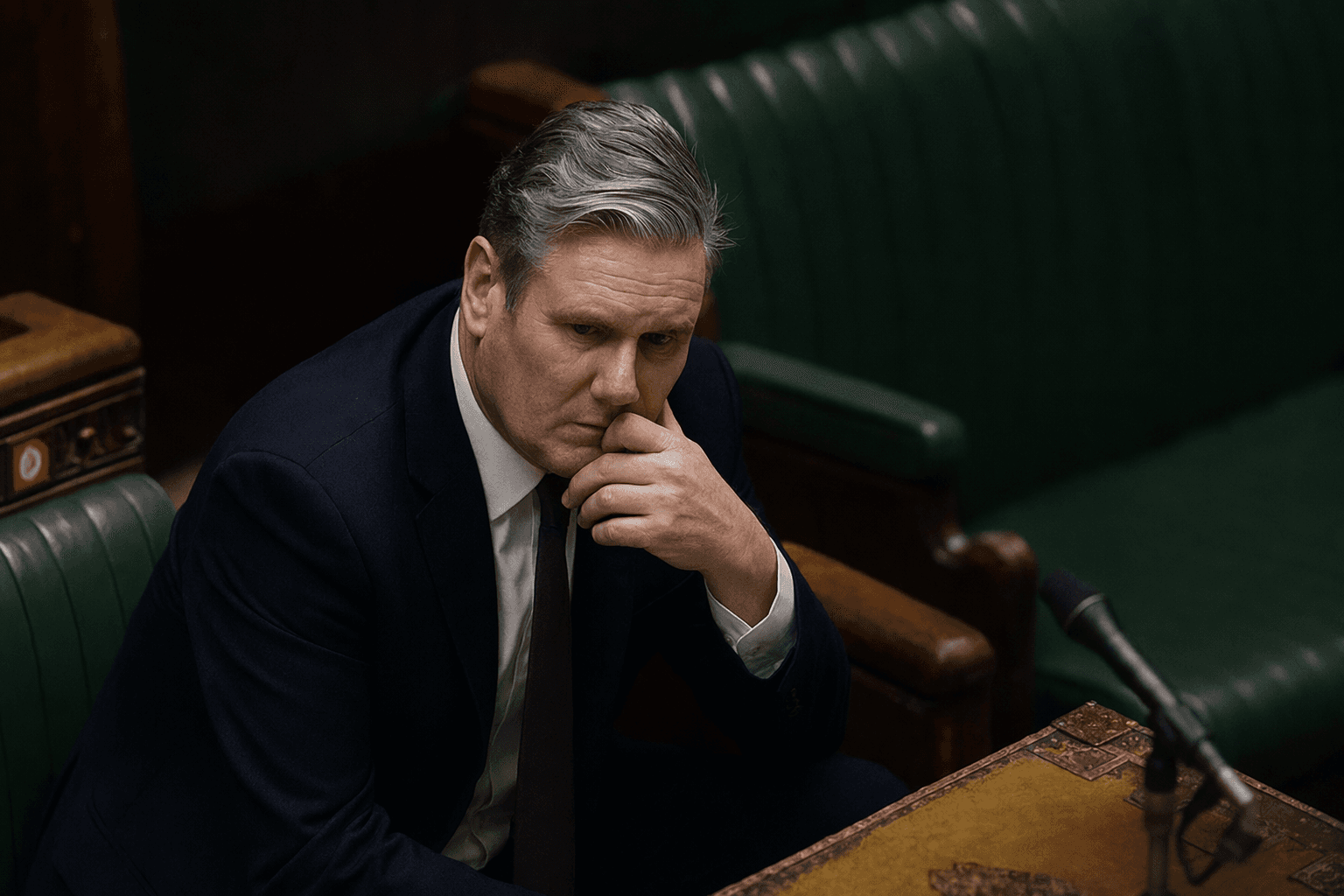
The pressure sharpened in May 2026 after Labour’s poor local-election results, widely described as the party’s worst showing for a governing party in local elections in more than three decades. More than 70 Labour lawmakers publicly called for Starmer to resign, while four ministerial aides stepped down amid the turmoil. Catherine West, the Labour MP, went further and threatened to trigger a leadership challenge if cabinet ministers did not act. Starmer rejected the calls and said he would “get on with governing,” insisting that his agenda was a 10-year project, not a short-term rescue act.
That defiance has not stopped the numbers from piling up against him. Reports later put the figure of MPs calling for him to go at close to 100, including ministers, and a Compass poll of Labour members found about 45% saying Starmer should step down. For a government elected on a promise of steadiness, that level of revolt matters because it suggests the problem is not only Starmer’s standing, but Labour’s ability to project continuity at all.
Britain has already passed through David Cameron, Theresa May, Boris Johnson, Liz Truss, Rishi Sunak and Starmer in rapid succession, each change adding to the sense that leadership itself has become unstable. Labour won power by arguing it could restore predictability after years of turbulence. Now the party’s challenge is bigger than defending one prime minister. It is proving that British governance can still deliver something lasting after a decade defined by turnover, pressure and broken political momentum.
This article was produced by Prism’s automated news system from verified source data, official records, and press releases, then run through automated quality and moderation checks before publishing. The system is built and supervised by the people who set the standards it runs under. Read our full AI policy.
Did this article answer your question?