State Department canceled Petro’s visa after pro-Palestinian rally in Manhattan
The State Department pulled Gustavo Petro’s visa after he joined a pro-Palestinian rally in Manhattan, just as he had planned a forum appearance in New York.
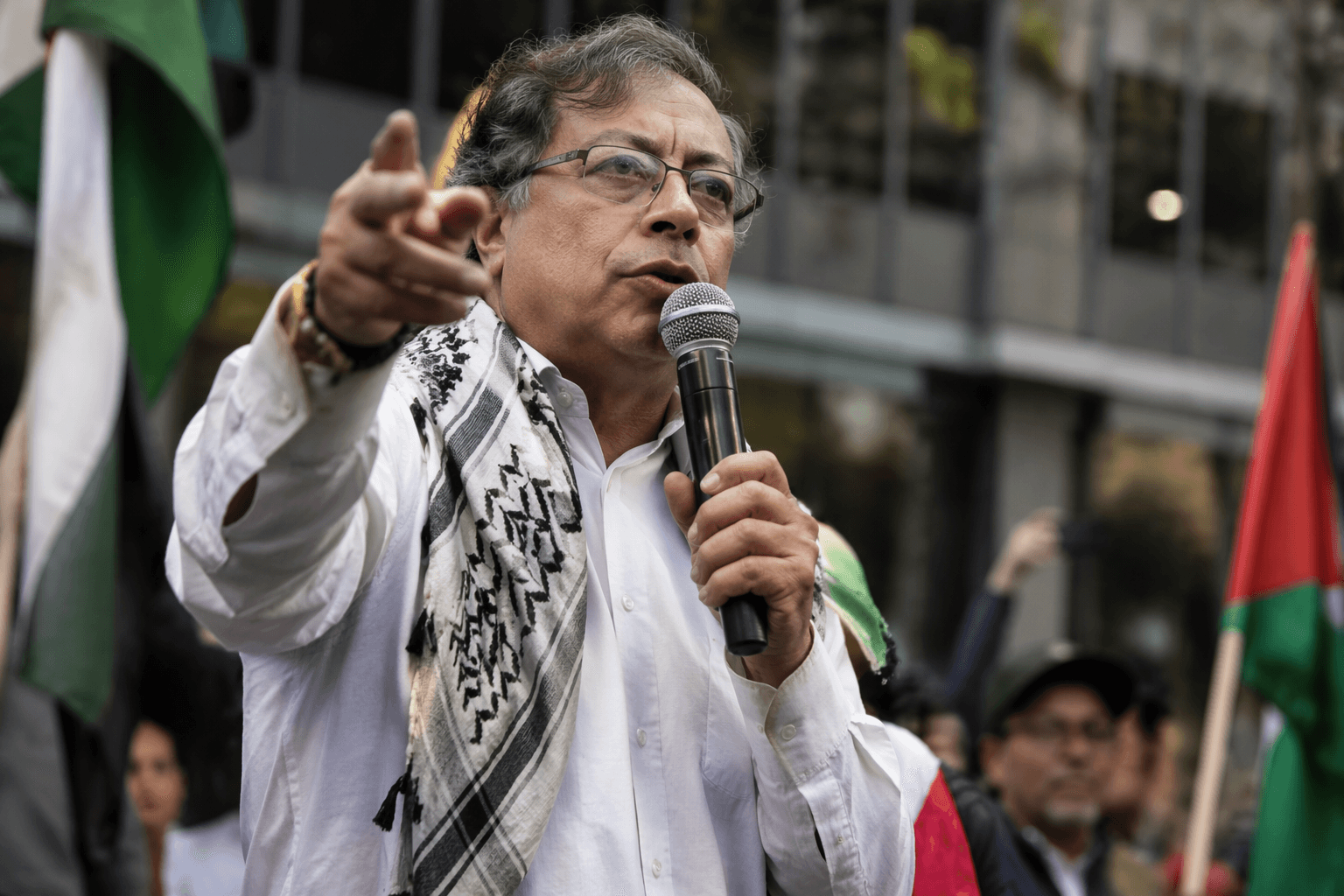
The State Department canceled President Gustavo Petro’s visa after he attended a pro-Palestinian rally in Manhattan, a move that turned a routine diplomatic document into a blunt instrument of pressure. Petro had planned to attend a forum led by Mayor Mamdani of New York, but the visa cancellation cut off that appearance and underscored how quickly Washington can shape the movements of a foreign head of state.
The decision carries weight well beyond a single trip to New York. For Colombia, it signals that political friction tied to the war in the Middle East can spill into the bilateral relationship with the United States, where access, travel and public appearances remain tools of influence. When a sitting president is blocked after a public demonstration in Manhattan, the message reaches Bogotá as much as it does Washington: diplomatic disagreement can now be enforced through mobility itself.
The episode also places New York at the center of a broader political conversation. A forum led by Mayor Mamdani would have given Petro a platform in a city where municipal politics, immigrant communities and global protest politics increasingly overlap. That makes the cancellation more than a consular matter. It reflects the rising importance of New York’s new political actors, whose events can become flashpoints in debates over foreign policy, public protest and the boundaries of acceptable advocacy.
For the State Department, the action amounts to quiet coercion carried out through administrative power rather than open confrontation. The timing suggests that Petro’s participation in the Manhattan rally, not just his planned forum appearance, was enough to trigger the punishment. In practice, that kind of response can chill future visits, narrow the range of foreign leaders willing to test Washington’s patience, and signal that public alignment with pro-Palestinian activism has consequences far beyond U.S. streets.
The fallout is likely to reverberate through Western Hemisphere diplomacy, where Middle East politics are no longer confined to distant theaters. Petro’s case shows how those arguments now shape the terms of engagement between Washington and Latin American capitals, and how a protest in Manhattan can alter the diplomatic calendar of a foreign president.
This article was produced by Prism’s automated news system from verified source data, official records, and press releases, then run through automated quality and moderation checks before publishing. The system is built and supervised by the people who set the standards it runs under. Read our full AI policy.
Know something we missed? Have a correction or additional information?
Submit a Tip