Study Finds Sourdough Fermentation, Scalded Flour Shape Latvian Rye Bread Character
Latvia University of Life Sciences and Technologies launches a study on how sourdough fermentation and scalded flour shape Latvian rye bread, with implications for flavor, aroma and texture.
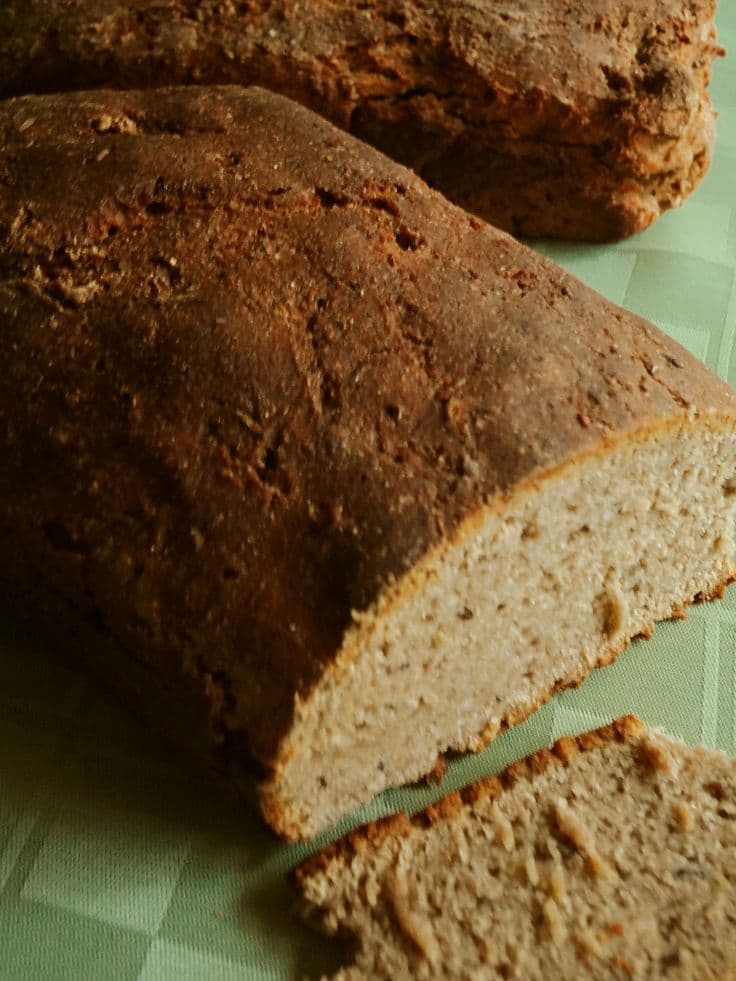
Latvia University of Life Sciences and Technologies is studying “how sourdough fermentation shapes the taste, aroma and structure of traditional Latvian breads, especially rye breads made with scalded flour,” a project announced on Feb 5, 2026. The work pins a scientific spotlight on two familiar levers bakers use to shape a loaf: fermentation ecology and a traditional scalding step.
The academic background makes clear why this matters to sourdough bakers. “Sourdough is characterized by a complex microbial ecosystem, mainly represented by lactic acid bacteria and yeasts, whose fermentation confers to the resulting bread its characteristic features such as palatability and high sensory quality,” a ScienceDirect review states. That review also flags lactobacilli as the key bacterial group responsible for flavor development, improved nutritional quality, and stability over successive refreshments. Historically, “the use of the sourdough process as a form of leavening is one of the oldest biotechnological processes in food production (Röcken and Voysey, 1995),” the review adds.
For researchers, the complex ecology of sourdough is usually probed with a mix of culture-dependent and culture-independent microbiological analyses plus metabolite-targeted measurements, the review notes. The same source lists metabolic activities that feed flavor and texture in sourdoughs: “Carbohydrate fermentation targeted towards maltose catabolism, the use of external alternative electron acceptors, amino acid transamination.” Those biochemical pathways help explain why changing fermentation time, temperature, or flour treatment can rework a loaf’s profile.
Industry and tradition present different models of sourdough maintenance. Tandfonline outlines classic production types and long-lived practices: Type I sourdoughs start with spontaneous fermentation and long backslopping that can be passed between bakers. “Some sourdoughs have a documented age of more than 100 years of backslopping, representing > 100,000 propagation steps (Gänzle and Ripari Citation2016; Gänzle and Zheng Citation2019).” By contrast, Type II and Type III sourdoughs are often used as acidifying or flavor carriers in bakeries, with industrial forms sold semi-liquid, heat-treated, spray-dried, drum-dried, or freeze-dried.
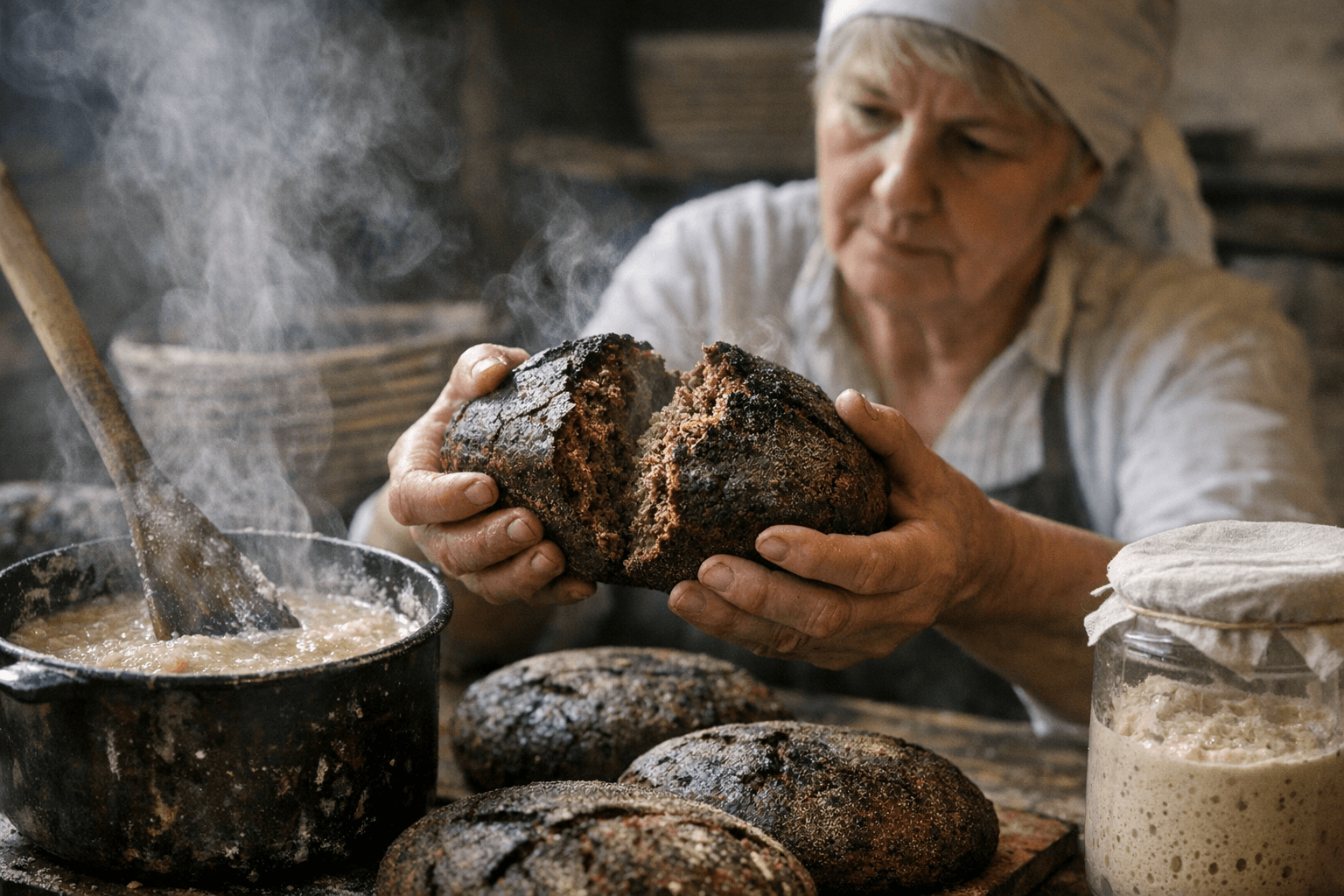
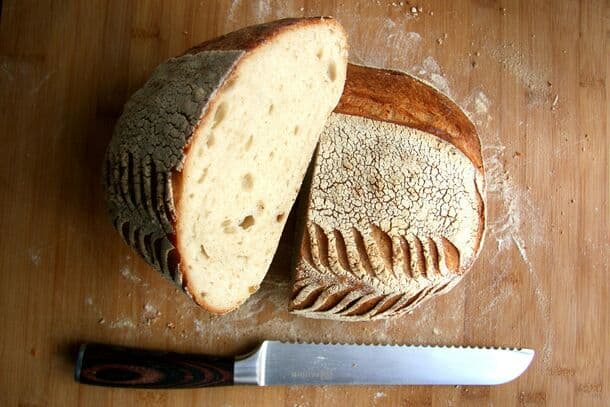
Practical, home-baker details remain essential to apply the science. MothersLoveHomestead breaks fermentation into two clear stages: initial fermentation, when “the wild yeast consumes sugars and produces gas. You'll notice bubble formation within a few hours,” and bulk fermentation, when shaping and a second rise deepen flavor and aeration. That guide also sums up the sensory payoff: “The result is a chewy crumb and a crackly crust, providing the perfect canvas for various toppings.” Fermentation “can take hours or even days, depending on the desired flavor and texture.”
What this means for sourdough bakers is concrete: the microbial community and process choices - from spontaneous backslopping to industrial starters, and from bulk fermentation time to scalding flour - are practical knobs that change taste, aroma and crumb. The LULST project promises region-specific data on scalded-flour rye loaves; for now, bakers can observe fermentation cues such as bubbles within hours and experiment with fermentation pacing to shape crumb and crust while waiting for the study’s technical findings.
Know something we missed? Have a correction or additional information?
Submit a Tip