Supreme Court may rule on birthright citizenship and immigration cases this week
The justices could soon decide whether Trump can end birthright citizenship and strip protections from more than 350,000 Haitians and 6,000 Syrians.
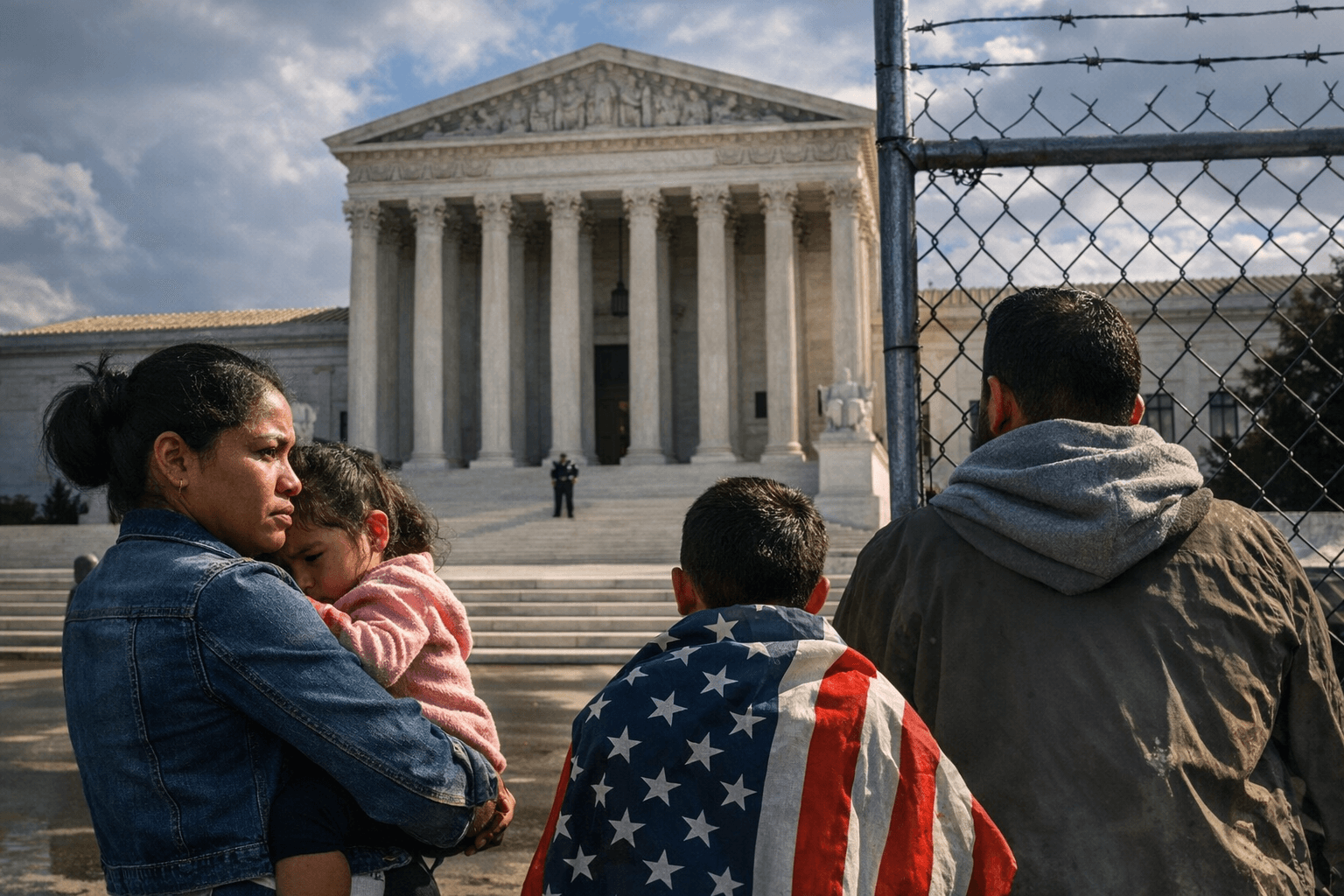
The biggest stakes at the Supreme Court right now run through immigration, where two cases could alter who becomes a citizen at birth and who can stay in the country while legal fights continue. If the justices move against President Donald Trump’s executive order on birthright citizenship, the long-standing rule that children born in the United States are citizens would remain intact. If they side with him, children born to undocumented parents or parents here on temporary visas could lose that automatic status.
The court heard arguments in Trump v. Barbara on April 1, 2026, and the justices appeared skeptical of the administration’s position. That case is central because it tests a direct effort by the White House to narrow a constitutional guarantee that has shaped American citizenship for generations. A ruling could quickly affect families nationwide, especially in states with large immigrant populations, and it would also signal how far the court is willing to let the executive branch go in redefining the reach of birthright citizenship.
Another high-impact decision could come from the fight over Temporary Protected Status for immigrants from Syria and Haiti. On March 16, 2026, the court agreed to hear the Trump administration’s challenge in late April, but it did not allow the government to end those protections while the case is pending. CBS News reported that the dispute affects more than 6,000 Syrians and about 350,000 Haitians. If the court ultimately backs the administration, those protections could be rolled back and deportation risks could rise quickly. If the justices reject the challenge, the protections would continue for now.
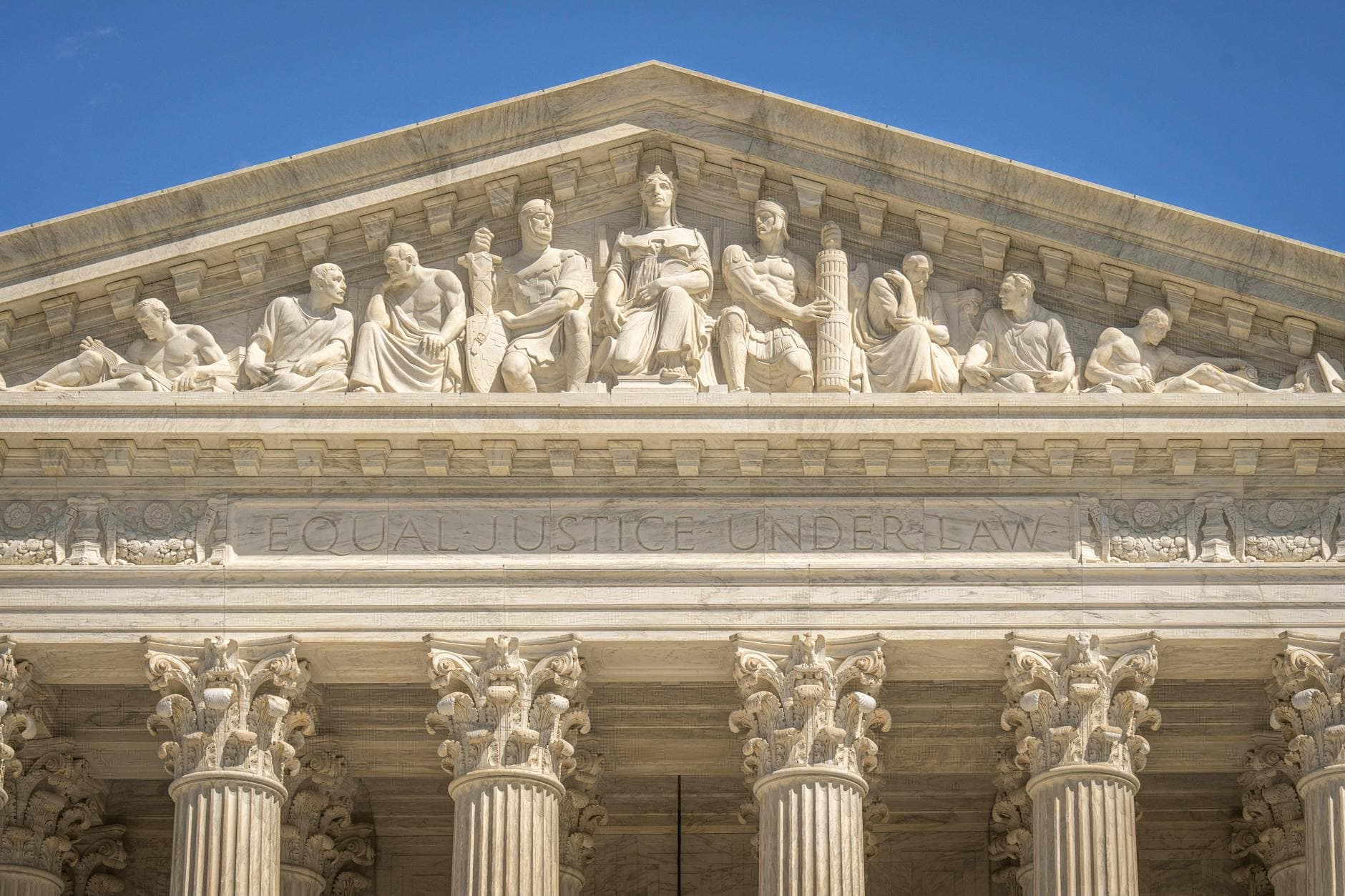
The court typically announces opinions in public sessions that begin at 10 a.m., and it is in this final stretch of the term that the remaining argued cases usually get resolved before summer recess. The Supreme Court hears only about 70 to 80 cases each year, so each end-of-term burst can carry outsize consequences. Other pending matters on the calendar include the Fourth Amendment, generic drug labels and claims that a private company aided and abetted torture, but the birthright citizenship and TPS cases have the widest reach because they would immediately affect federal power and the daily lives of hundreds of thousands of people.
This article was produced by Prism’s automated news system from verified source data, official records, and press releases, then run through automated quality and moderation checks before publishing. The system is built and supervised by the people who set the standards it runs under. Read our full AI policy.
Did this article answer your question?

