Warsh pledges Fed independence, signals cooperation with Trump administration
Warsh vowed the Fed would stay “strictly independent” on rates, but promised cooperation with Trump’s team on other duties, sharpening the fight over central-bank autonomy.
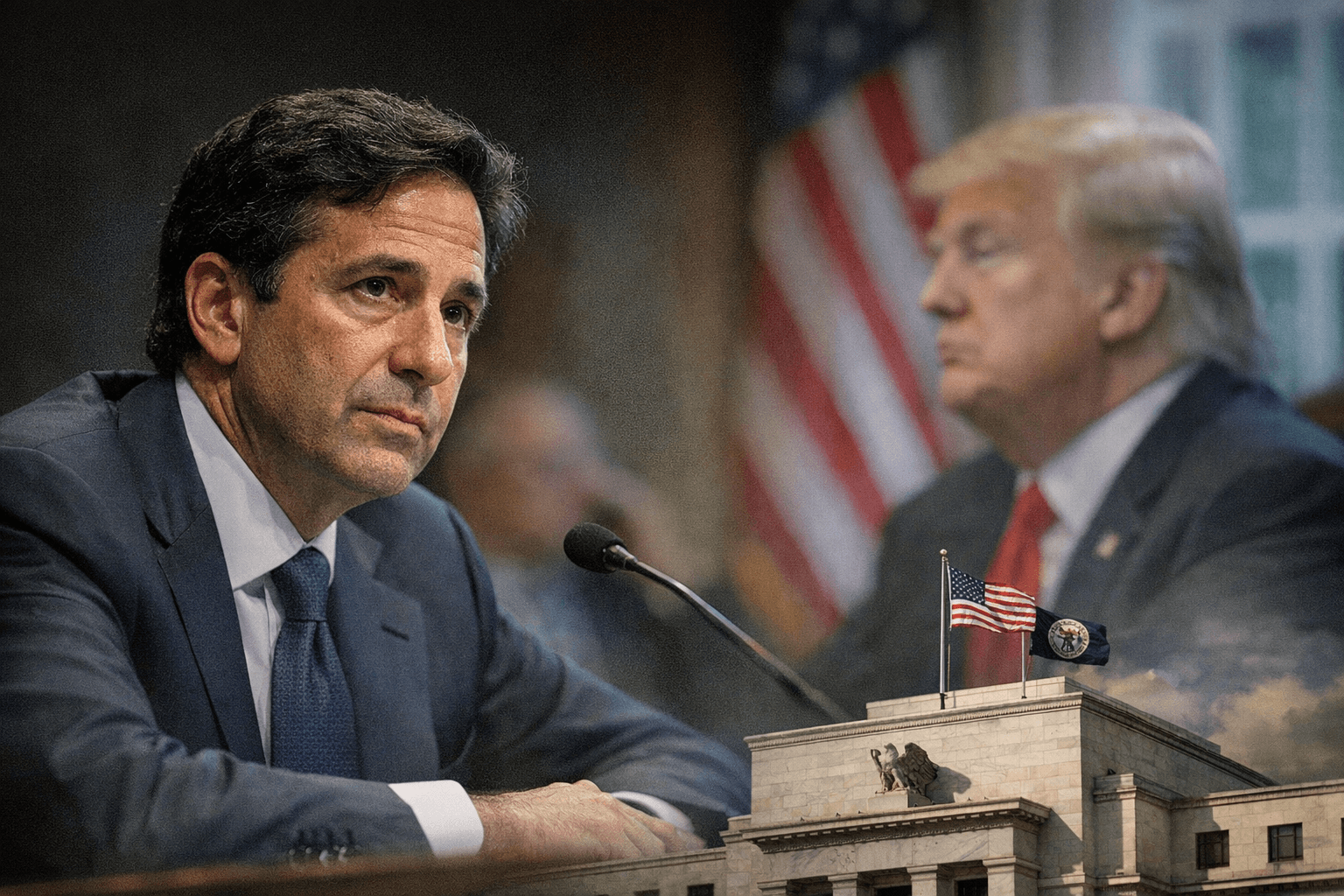
Kevin Warsh went into his Senate confirmation hearing promising to keep the Federal Reserve “strictly independent” on monetary policy while also working with Donald Trump’s administration and Congress on other parts of the central bank’s portfolio. The split message went to the heart of the fight over whether the next Fed chair would preserve the institution’s distance from politics or widen the door to White House influence.
Warsh, the former Fed governor who served from 2006 to 2011, told lawmakers in prepared remarks that he was “committed to ensuring that the conduct of monetary policy remains strictly independent” and “equally committed to working with the Administration and Congress on non-monetary matters that are part of the Fed’s remit.” He said the Fed’s operational independence matters most in setting interest rates, but not necessarily across every congressionally mandated function, including bank regulation, supervision, stewardship of public money and areas tied to international finance.
That distinction matters because markets price assets on the assumption that the Fed can raise or cut rates without bowing to short-term political demands. The chair does not set policy alone, but the role carries immense power to shape the agenda, guide the Federal Open Market Committee and signal how aggressively the central bank will fight inflation. Any suggestion that rate decisions could be swayed by the White House can unsettle bonds, weaken confidence in the dollar and raise the risk that inflation expectations drift higher.
Warsh tried to draw a line between cooperation and control. He said the Fed should “stay in its lane,” avoid fiscal and social-policy debates and focus on price stability and its core mandate. He also said inflation was a mandate issue for the Fed “without excuse or equivocation,” adding that the central bank must take responsibility for it. That language suggested continuity with the Fed’s traditional inflation-fighting role, even as his willingness to coordinate on non-monetary matters signaled more political overlap than Powell has tolerated.
The hearing was set for 10:00 a.m. ET in Room 538 of the Dirksen Senate Office Building in Washington. It came as Trump has repeatedly pushed for lower interest rates and threatened Jerome Powell over the issue, deepening scrutiny of the Fed’s independence. All 11 Democratic members of the banking committee had asked Chairman Tim Scott to delay the hearing, citing the Trump administration’s criminal investigations involving Powell and Fed Governor Lisa Cook.
Warsh also faced questions over his finances and ethics agreements, with minority staff circulating a report before the hearing. Senator Elizabeth Warren had separately pressed on his role during the 2008 financial crisis and sought Fed records tied to his work at the central bank. If confirmed, Warsh would bring both a promise of independence and a large political test: a Fed chair expected to guard the central bank from interference while proving he can work with the very administration pressing hardest to shape its course.
This article was produced by Prism’s automated news system from verified source data, official records, and press releases, then run through automated quality and moderation checks before publishing. The system is built and supervised by the people who set the standards it runs under. Read our full AI policy.
Did this article answer your question?

