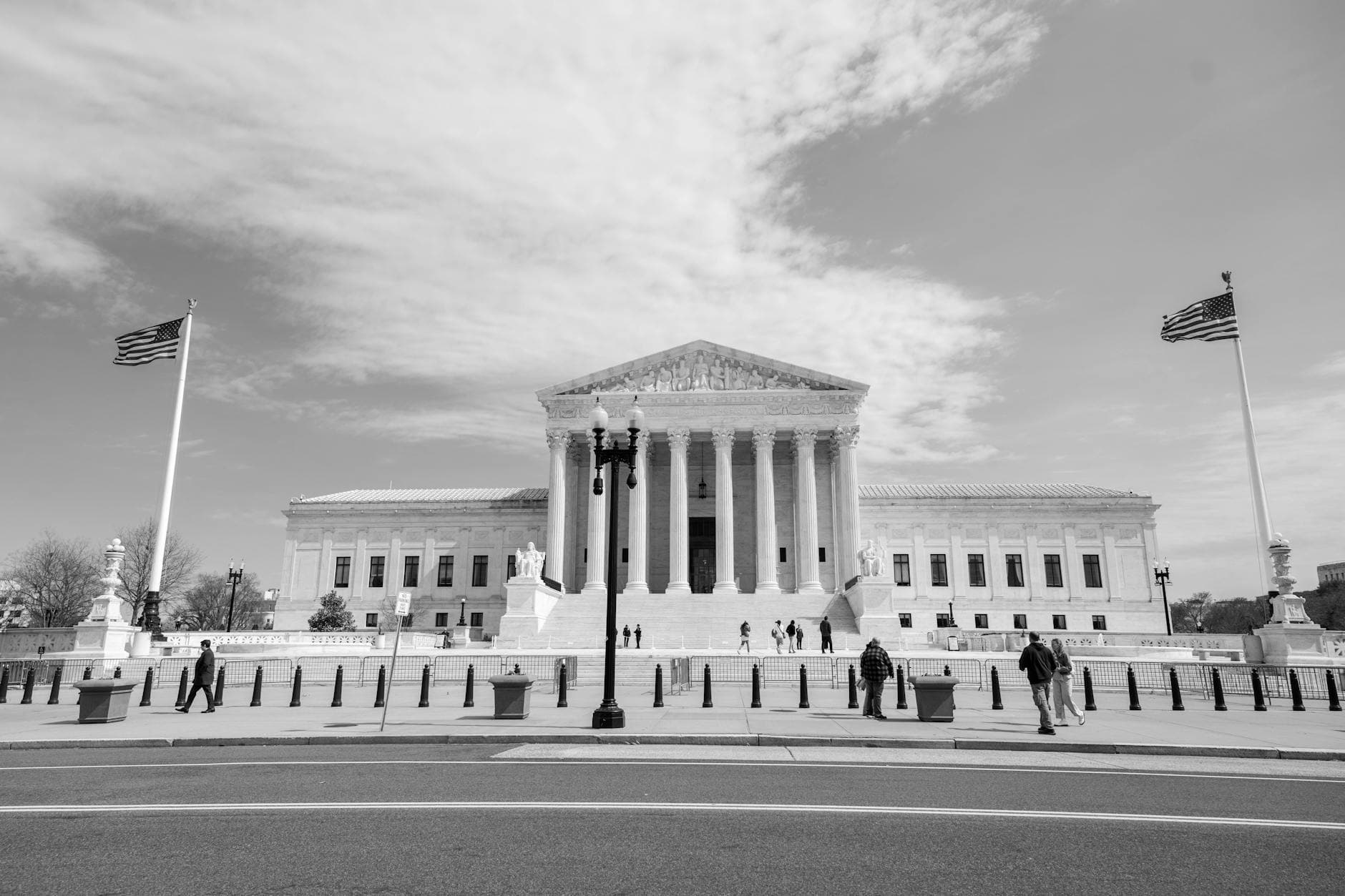
Supreme Court ruling could reshape Voting Rights Act, Louisiana districts
A 6-3 ruling in Louisiana v. Callais could make it harder to preserve majority-Black districts, even after Cleo Fields won one in 2024.
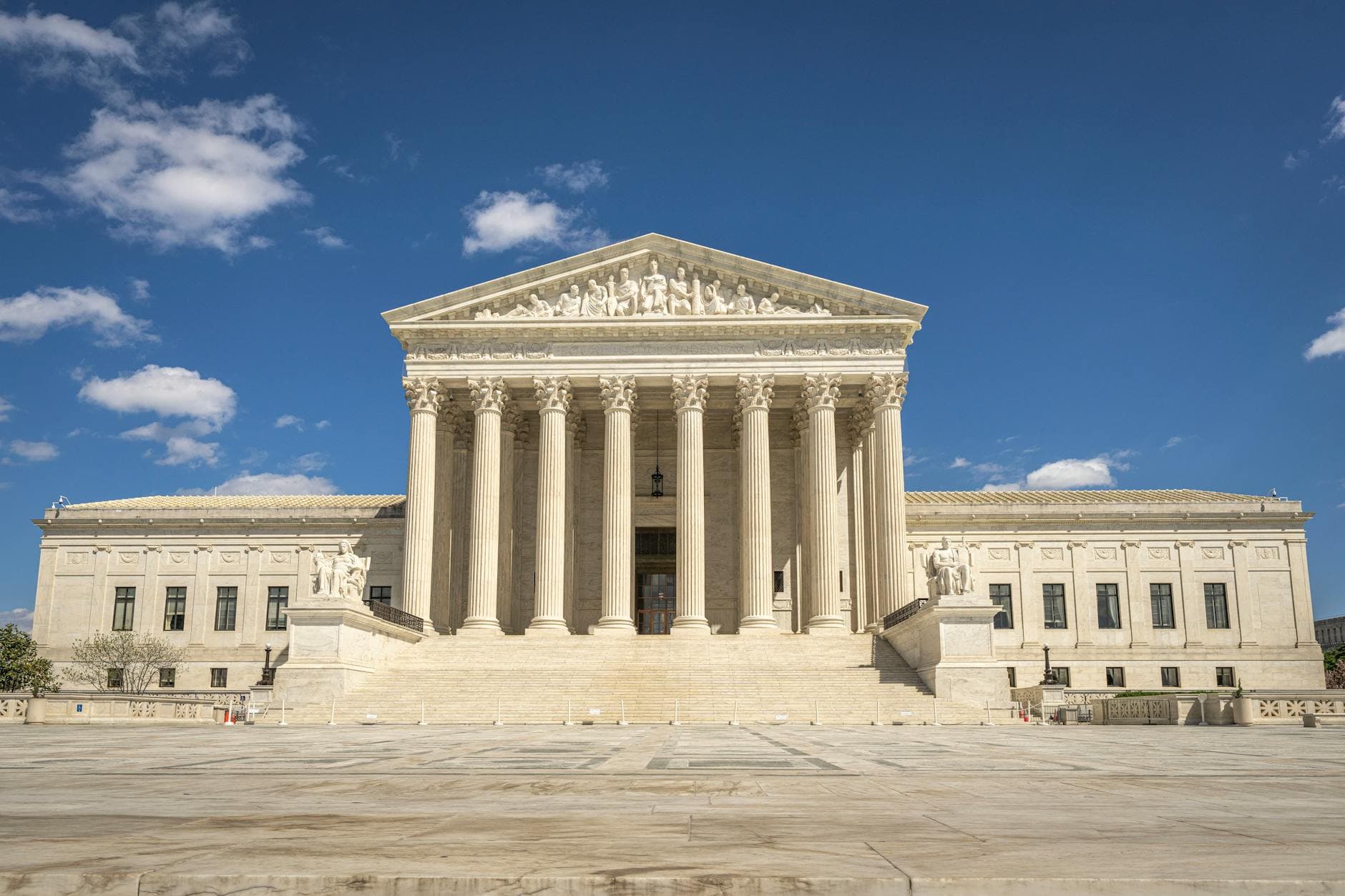
The Supreme Court’s 6-3 ruling in Louisiana v. Callais could narrow how far the Voting Rights Act reaches in protecting Black political power, with consequences that extend well beyond Louisiana. At stake is whether states can still be required to draw majority-Black districts when federal courts find that Black voters otherwise would have less opportunity to elect candidates of their choice.
The case grew out of Louisiana’s 2021 congressional map, which contained only one majority-Black district even though Black Louisianians make up about one-third of the state’s population. Black voters and civil rights groups sued, and a federal court ruled in 2022 that Louisiana likely violated Section 2 of the Voting Rights Act. The Fifth Circuit Court of Appeals affirmed that ruling in 2023, setting off a new round of mapmaking that produced Senate Bill 8, or SB8, with a second majority-Black district.
That revised map was used in the 2024 elections and helped elect Democrat Cleo Fields. It also preserved Louisiana’s political balance in a state where the current map shields Republican incumbents including House Speaker Mike Johnson and Majority Leader Steve Scalise, while also giving Democrats another safely blue district. The new ruling now puts that arrangement, and the legal logic behind it, under fresh pressure.
The dispute has been closely watched by the NAACP Legal Defense Fund, the Brennan Center for Justice, the Louisiana Legislative Black Caucus and the Public Rights Project, all of which have treated the case as a test of whether Section 2 still has enough force to protect minority representation in map drawing. The Court had already restored the case for reargument after first hearing it in March 2025, underscoring how much was at stake in the final decision.
Louisiana Rep. Troy Carter said the case could determine whether Black Louisianians continue to have an opportunity to elect representatives of their choice. That question now hangs over future redistricting fights nationwide, especially in places where lawmakers rely on race-conscious district lines to keep Black voters from being submerged in larger white majorities. The ruling also sharpens the conflict between protecting Black voting power and claims of racial gerrymandering, a legal balance that could be much harder to strike in the next round of congressional maps.
Know something we missed? Have a correction or additional information?
Submit a Tip