Supreme Court strikes down Louisiana Black district, tightens Voting Rights Act standard
The court made proof of racist intent the new hurdle, a shift Justice Kagan said left Section 2 “well-nigh impossible” to use against vote dilution.
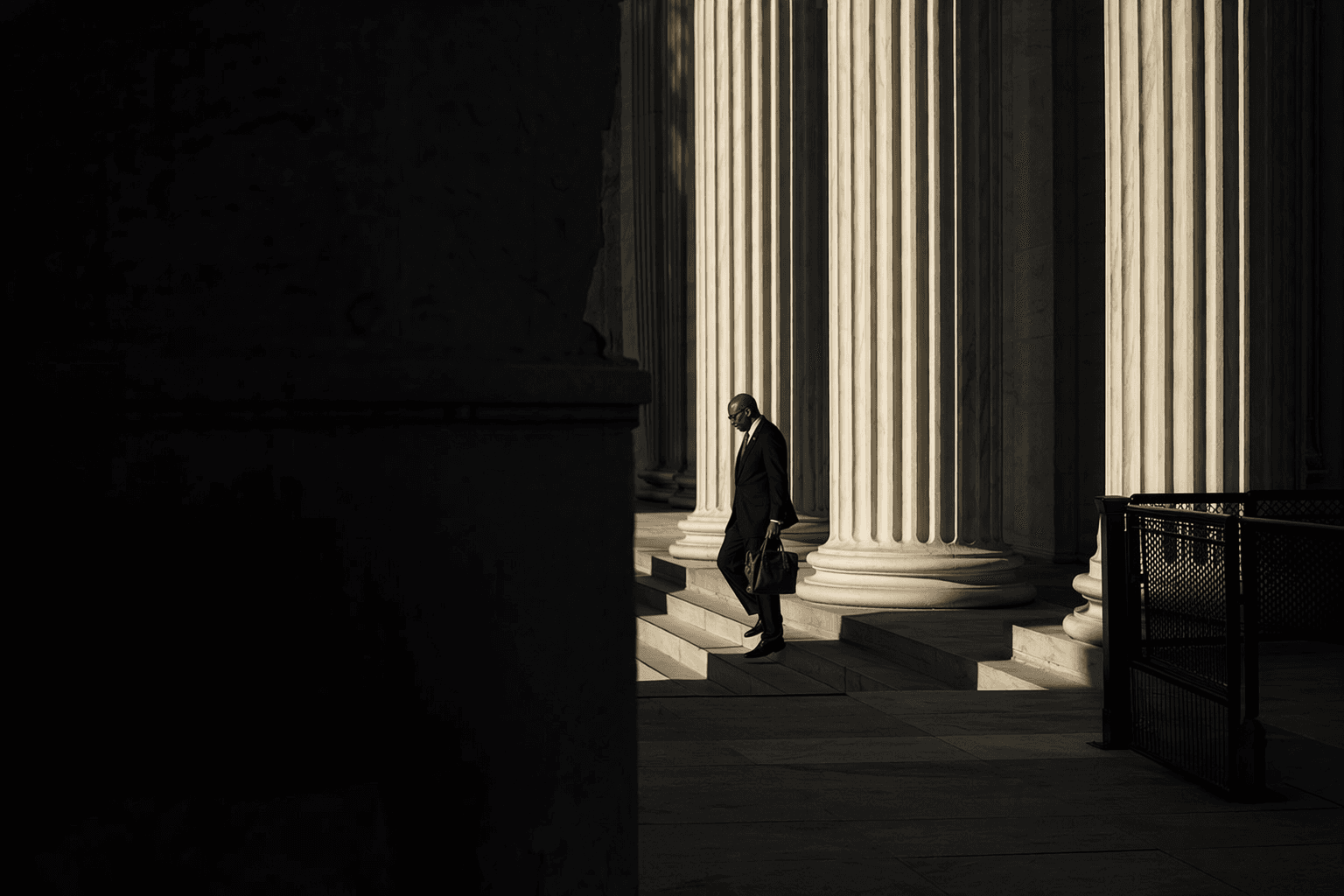
The Supreme Court erased Louisiana’s second Black congressional district and raised the bar for future voting-rights lawsuits, ruling 6-3 that the state’s remedial map, SB8, was an unconstitutional racial gerrymander because the Voting Rights Act did not require it.
The decision in Louisiana v. Callais turned on a sharp clash over proof. The majority, led by Justice Samuel Alito, said Louisiana could not rely on race to draw the district unless there was a compelling interest, and the Court said no such interest existed because the Voting Rights Act did not obligate the state to create an additional majority-minority district. Justice Elena Kagan, dissenting, said the ruling gutted Section 2 and warned that the standard the Court adopted made racial discrimination claims “well-nigh impossible” to prove in the real world.
The case began with Louisiana’s 2022 congressional map, which a federal judge in Robinson v. Ardoin found likely violated Section 2 because it left the state without a second majority-Black district. The Legislature responded with SB8, drawing a district that linked Black communities in Shreveport, Alexandria, Lafayette and Baton Rouge across roughly 200 to 250 miles. That district then became the target of a constitutional challenge. By striking it down, the Court said it had resolved a question it had, for more than 30 years, assumed without deciding: whether compliance with the Voting Rights Act could justify intentional race-based districting.
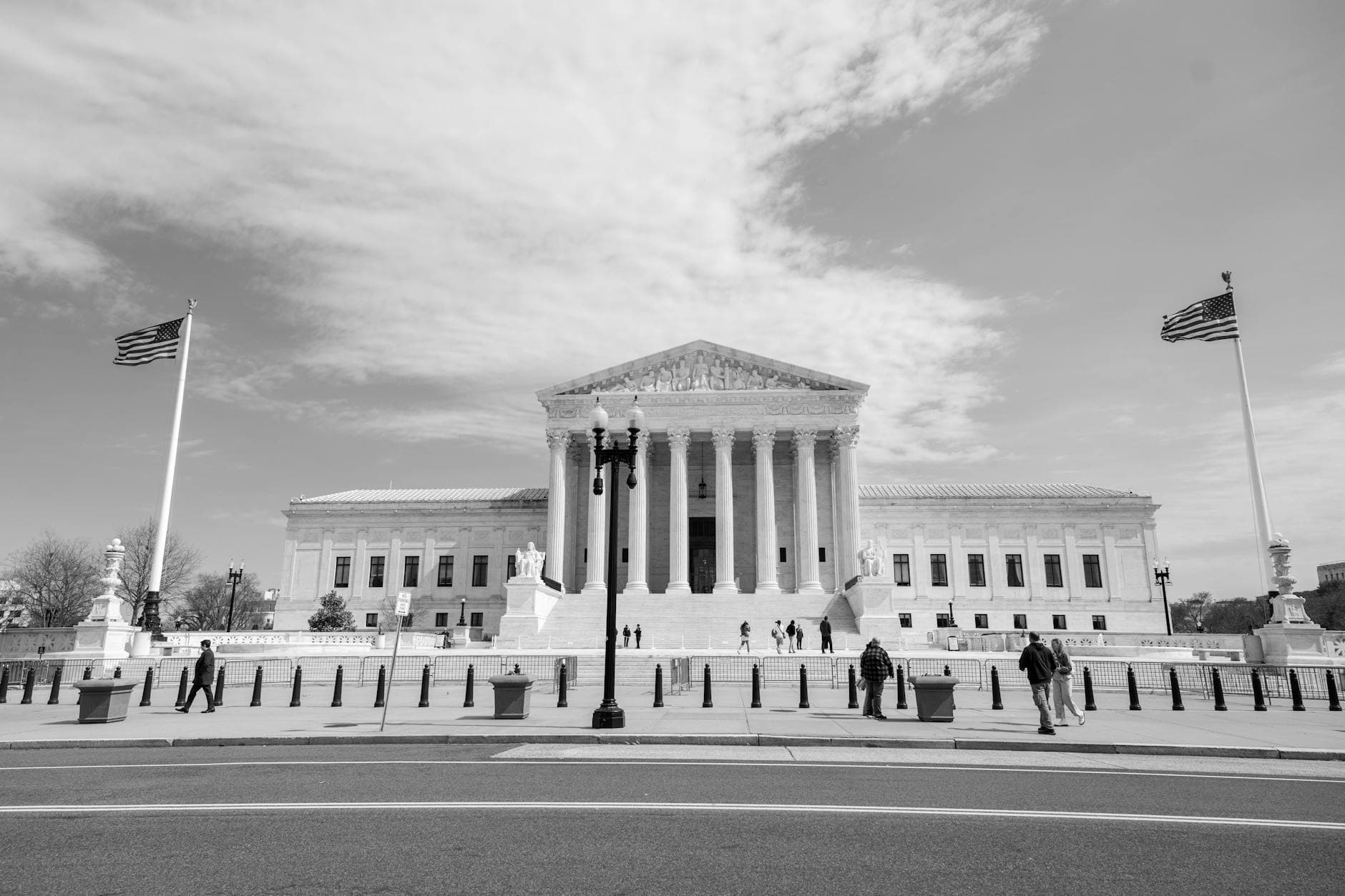
The practical effect reaches far beyond Louisiana. Section 2 has long been one of the main tools for challenging racially discriminatory election maps, and the Associated Press reported that nearly 70 of the 435 congressional districts are protected by it. Nicholas Stephanopoulos, an election law expert, said that means the ruling could reshape redistricting fights nationwide, especially where minority communities have depended on Section 2 to force maps that better reflect their voting strength. Representative Cleo Fields said the decision would make it far harder for minority communities to challenge maps that dilute their political voice.
The fight is also political. The Associated Press reported that the ruling could aid Republican efforts to control the House by opening the door to more redistricting and weakening minority representation. Former President Barack Obama said the decision showed “how a majority of the current Court seems intent on abandoning its vital role in ensuring equal participation in our democracy.” Because many filing deadlines for the 2026 congressional races had already passed, the effects may not be felt most sharply until 2028, when states and plaintiffs next test just how difficult the Court has made it to prove racism through outcomes rather than intent.
Know something we missed? Have a correction or additional information?
Submit a Tip