Switch Films Tighten Wobble, Change Feel and Acoustics of Mechanical Keyboards
Thin switch films reduce wobble and shift acoustics, tightening feel and often deepening pitch. This matters for anyone tuning typing consistency and keyboard sound.
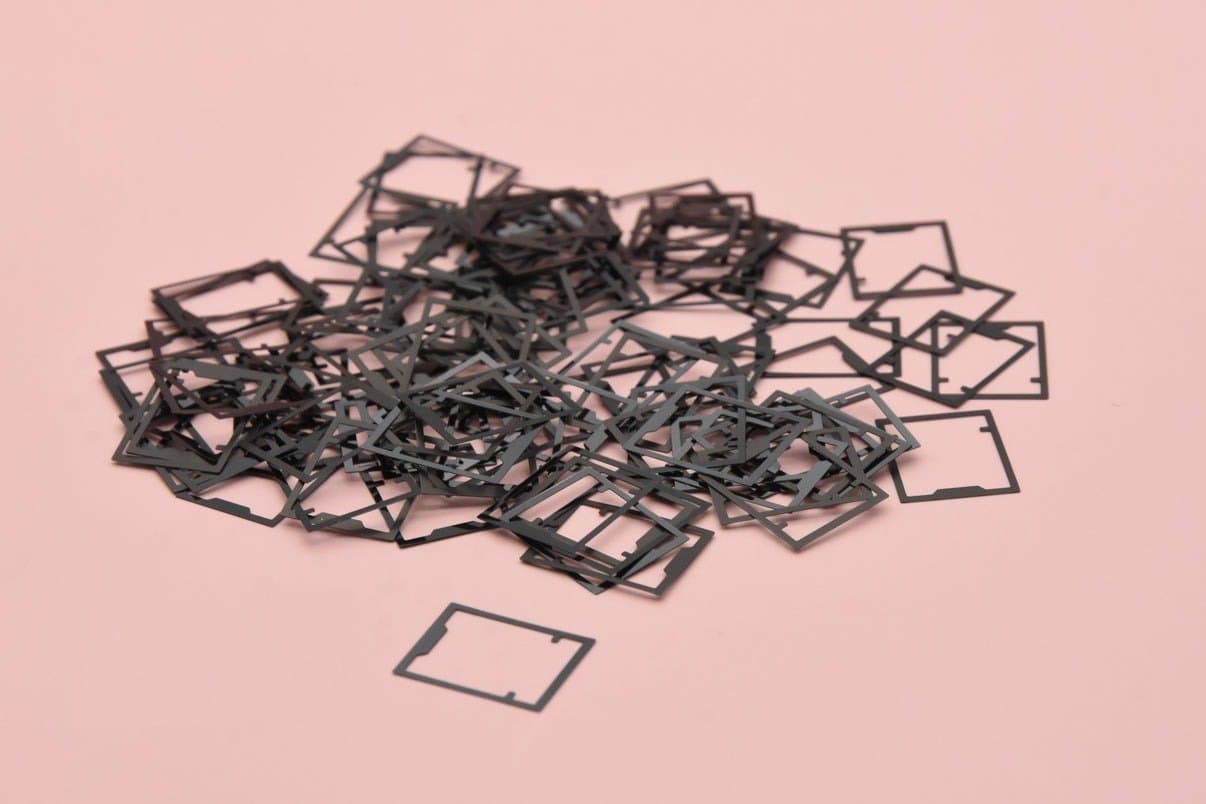
Thin sheets of PET, PVC, or polycarbonate installed between a switch top and bottom are emerging as one of the easiest mods to tighten mechanical switches and change their sound. The Original Report puts it plainly: “This hands-on guide explains what keyboard switch films are, why they’re used, and how they change feel and acoustics. Switch films (typically thin PET, PVC, or polycarbonate sheets) sit between switch top and bottom housings to reduce tolerances, lower wobble, and tighten”
The mechanical effect is straightforward. By filling the gap that exists in many stock switches, films cut down movement inside the housing and produce a more stable keypress across a keyboard. Kineticlabs sums the hands-on result: “By modding your mechanical switches with films, you will fill the gap between the top and bottom housing that creates this unwanted wobble and consolidate a stable typing experience across all your mechanical switches.” That stability matters when you want consistent travel and a uniform feel, especially in builds using mixed batches or older switches with loose tolerances.
Films also nudge acoustics. Compared to unfilmed stock switches, filmed switches “can also slightly alter the sound, or the pitch, that typing on your mechanical switch produces. That alteration is relatively noticeable when you compare filmed stock switches to unfilmed stock switches—most often giving your switch a deeper pitched accent.” For modders chasing a darker, more “thock” profile, films are a low-cost, reversible tweak that pairs well with other sound mods.
Lubrication remains the primary sonic lever. Kineticlabs notes, “Did You Know: lubricants impact the sound of your mechanical switches the most. Much more than films.” The write-up singles out Krytox 205G0 as a common choice: “If you pay attention, Krytox 205G0—to name the main lubricant used with many mechanical switches—gives switches a deeper, ‘thockier’ or lower pitch sound. Mechanical switch films increase this effect.” In practice that means films are most effective as part of a stack: switch selection, film, and targeted lube together define the final feel and sound.
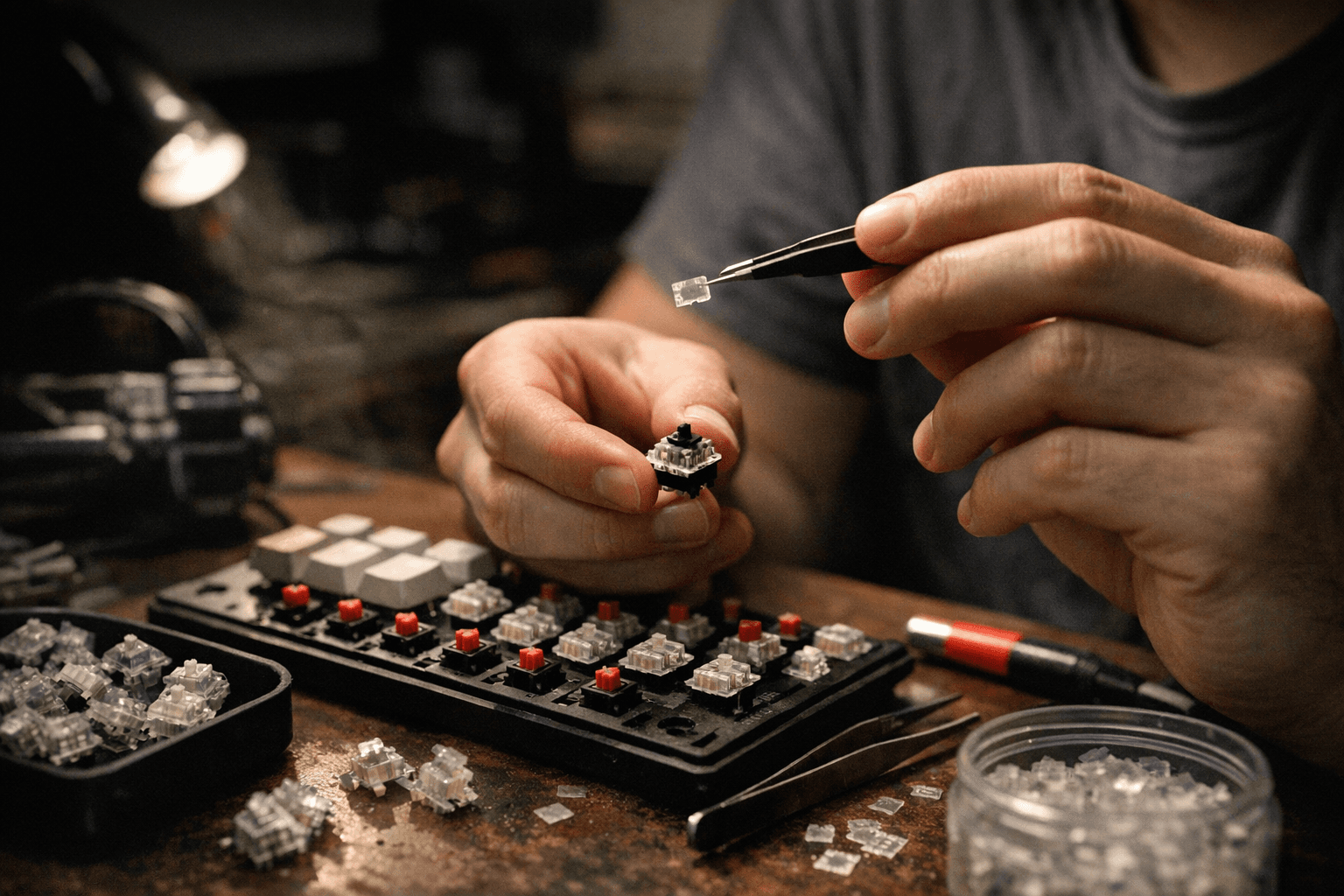
Kineticlabs adopts a modder-forward stance. Its voice encourages experimentation: “Once you’ve chosen your switch from the vast and legendary Sea of Switches—some of them right here on our mechanical keyboard switches page—you can go forth and use your mechanical switches stock or you can modify them. PS: I strongly suggest you mod them!” The write-up also frames films as one of several “thingymabobs” that can move the needle on the “sound and feel of your typing experience,” while reminding readers to weigh aesthetics, materials, price, and availability.
What this means for builders: films are a small, reversible investment that improves stability and nudges acoustics, but they are not a substitute for proper lubrication. Start by assessing wobble on suspect switches, try a film on a single switch to judge change, and pair films with your preferred lube—Krytox 205G0 if you want that deeper, thockier result—to shape the final tone and feel.
Know something we missed? Have a correction or additional information?
Submit a Tip