Switzerland opens Josef Mengele file after decades of secrecy
After rejecting access for years, Swiss authorities opened Josef Mengele’s dossier, reviving questions about what Bern knew, missed, or chose not to pursue.
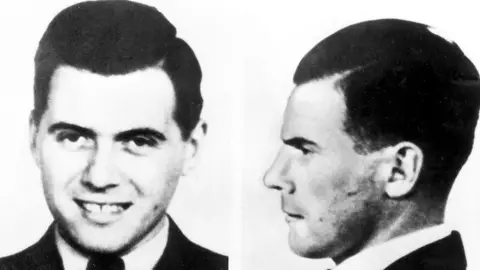
Swiss authorities have opened the Josef Mengele dossier after years of secrecy, a move that shifts the focus from the Nazi doctor’s enduring infamy to the record of how European institutions handled him after the war. The file could shed light on whether Swiss officials ignored, obscured or failed to pursue leads that surfaced around Mengele’s movements through Switzerland, including claims that he spent 10 days in Engelberg in 1956 and may have stayed in Kloten in 1961.
The Federal Intelligence Service announced on May 4 that it would grant access to the file at the Swiss Federal Archives, reversing earlier denials that had cited an 80-year protection period. The service said the change followed a new legal and archival assessment and came as a case was pending before the Federal Administrative Court. The dossier, created by the police service of the former Federal Public Prosecutor’s Office, had been transferred to the archives in 2001.
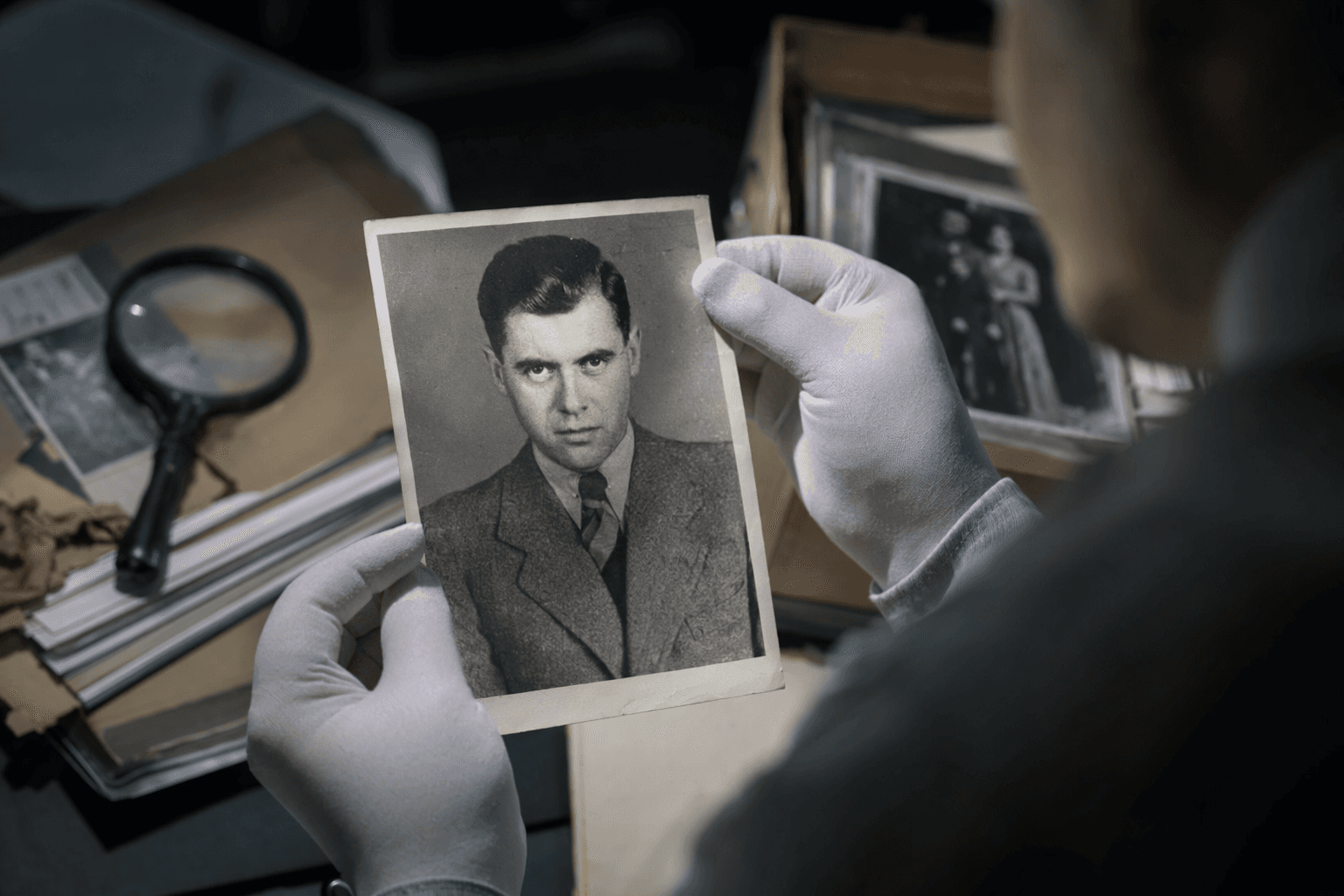
The opening of the file also revives a longstanding Swiss parliamentary record from 1999 that raised the issue under the heading “Josef Mengele und die Schweiz.” That filing alleged that Mengele had spent time in Engelberg and possibly in Kloten, where he may have stayed in an apartment rented by his wife, Martha Mengele. Swiss federal archival checks at the time said they found no indication of Mengele in the files they reviewed, but the newly accessible dossier now offers the chance to test what those earlier searches missed.
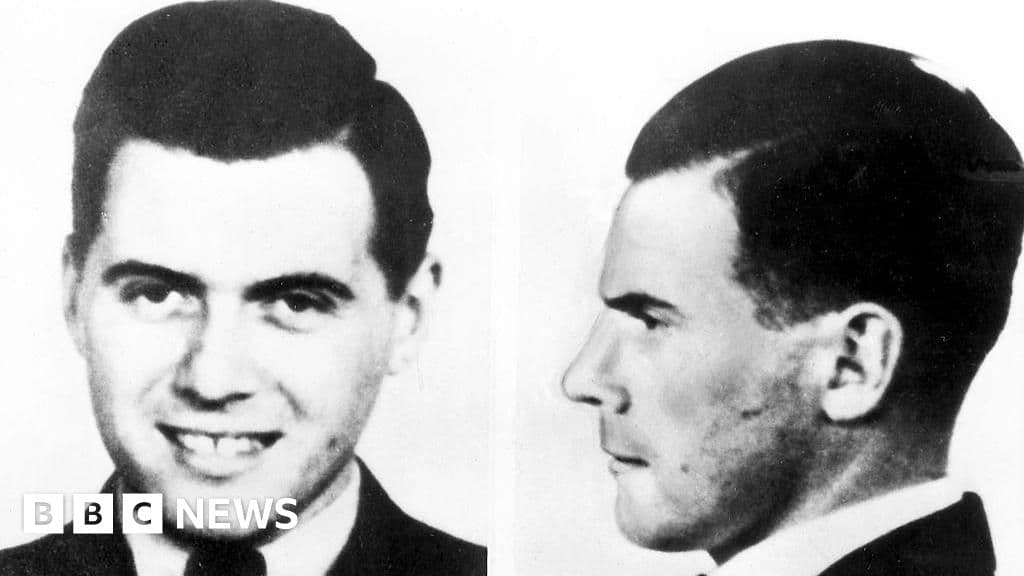
The broader stakes extend beyond one fugitive SS doctor. In 2001, the Swiss Federal Council ordered that archives evaluated by the Bergier Commission should generally be open under a liberal access practice, and the Mengele dossier later fell under that ruling. For historians and survivors, the issue is whether Swiss institutions had information that should have triggered deeper action, especially as Mengele moved through Europe before fleeing to South America in 1949 with help from an International Committee of the Red Cross travel document.
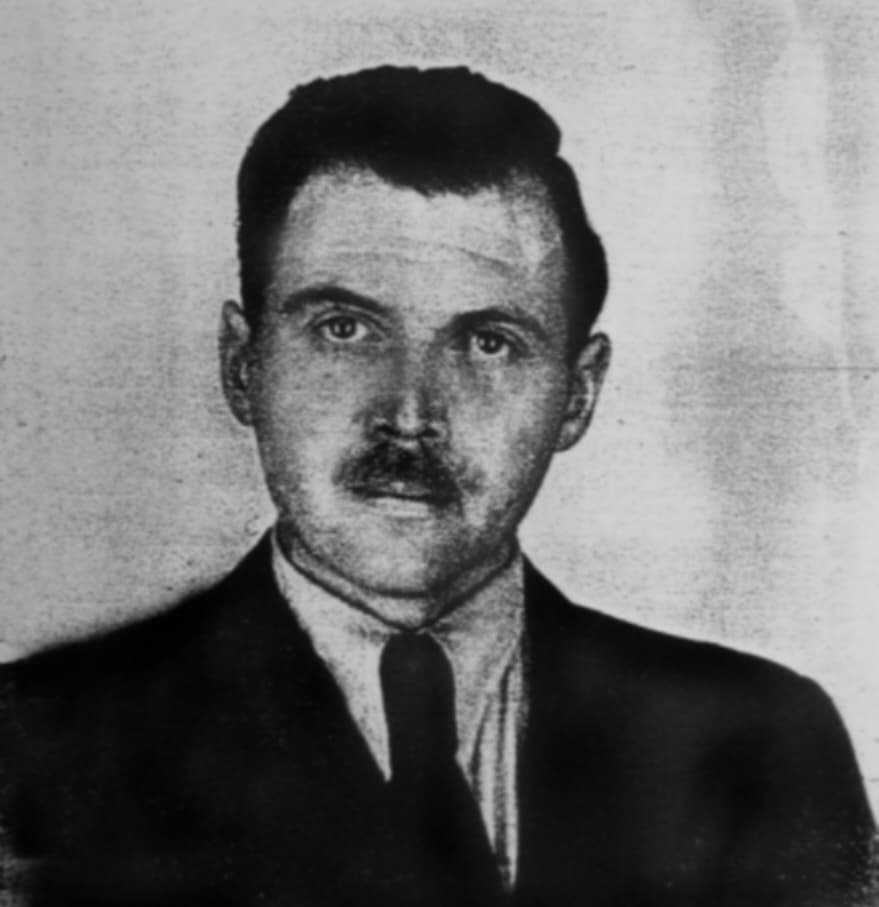
The International Auschwitz Committee welcomed the decision on May 5, saying the files still matter to survivors and warning that Mengele’s name has taken on a dangerous fascination for right-wing extremists. Christoph Heubner said Auschwitz had more than one million victims, mostly Jews. Swiss media reported that historian Gérard Wettstein wants to verify whether Mengele was in Kloten in 1961, while Christoph Mörgeli argued that theory had already been disproved and pointed instead to Zurich state archives and police surveillance of Martha Mengele. Josef Mengele, born in 1911 and later reported to have died in Brazil in 1979, remains a measure of how seriously postwar Europe pursued Nazi fugitives, and how much still depends on the paper trail.
This article was produced by Prism’s automated news system from verified source data, official records, and press releases, then run through automated quality and moderation checks before publishing. The system is built and supervised by the people who set the standards it runs under. Read our full AI policy.
Did this article answer your question?