Systematic review finds yoga enhances stress resilience and emotional outcomes
Mu et al. pooled 30 randomized controlled trials and concluded yoga reduces depression, anxiety and stress, though the authors grade those effects as low-level evidence.
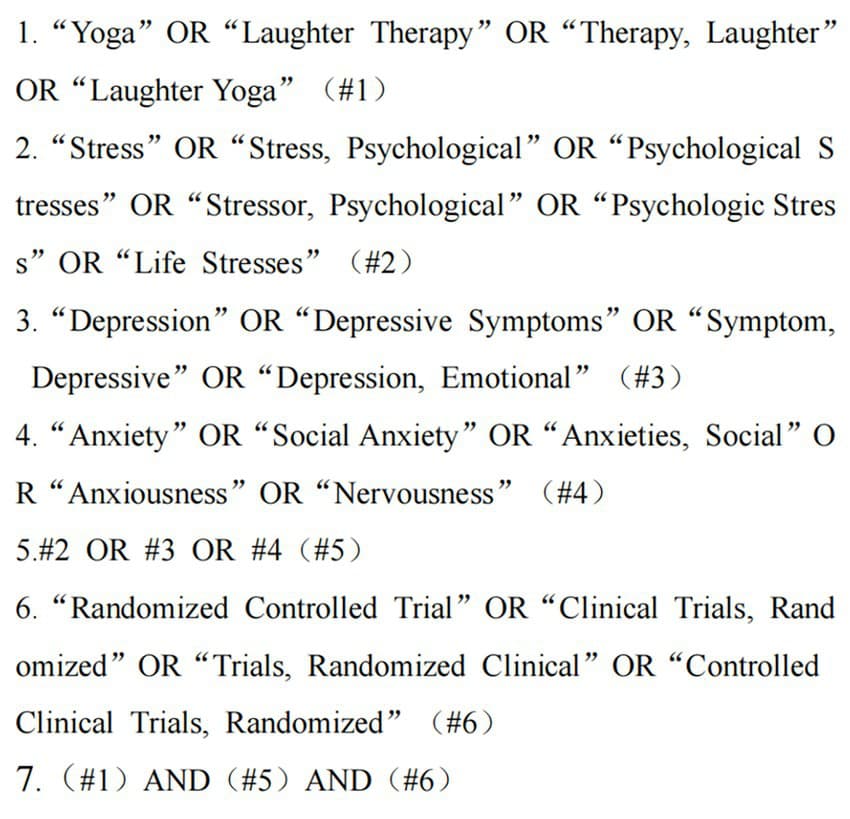
X. Mu (listed in databases as X. Xiaokun Mu) and five coauthors published a systematic review and meta-analysis in Frontiers in Psychology that "pooled 30 randomized controlled studies investigating yoga’s effects on emotions and stress" and concluded that, in their words, "Final results indicate yoga effectively alleviates depression (low-level evidence), anxiety (low-level evidence), and stress (low-level evidence)." The article appears as Front. Psychol. 17:1707131 with DOI 10.3389/fpsyg.2026.1707131 and carries a Crossmark icon prompting readers to "Check for updates."
The paper’s submission timeline is explicit: received 17 September 2025, revised 24 January 2026, accepted 30 January 2026 and published 26 February 2026. Authors are listed as X. Mu, K. Xu, X. Wang, Y. Sun, D. Wen and D. Dong. The manuscript was edited by Miguel-Angel Gomez-Ruano of Universidad Politécnica de Madrid and peer-reviewed by Madhura Phansikar of The Ohio State University and Shabnam Rangwala of ADAPT in India.
Mu et al. defined the primary outcomes as stress relief capacity and emotional changes, specifically depression, anxiety and stress, and the review explicitly "assessed the moderating effects of control group type, gender, age, intervention duration, frequency, single-session duration, and training supervision on outcomes." The authors report that "Subgroup analyses revealed that different control groups significantly moderated effects on stress, depression, and anxiety."
Age and intervention timing stood out in subgroup tests. The review states, verbatim, that "Age emerged as a significant moderator for stress, while intervention duration and single-session duration significantly moderated depression outcomes." The paper also includes a truncated regression quote provided in the text: "Regression analysis indicated that yoga’s stress-relieving effects increased with" — that sentence is incomplete in the available fragments and requires follow-up to identify the predictor(s) and coefficients.

Mu et al. place their findings in the context of earlier work, writing that "The results of this systematic review are in line with the results of previous systematic reviews that investigated the effects of yoga on perceived stress." The article cites Manoj Sharma’s 2014 review and notes its participant and geographic limitations, repeats Chong et al. 2011 and Wang et al. 2020 as earlier reviews that included healthy or non-stressed adults and did not run meta-analyses, and references Della Valle et al. 2020, a workplace-yoga meta-analysis that found benefits versus passive controls but included only six randomized and non-randomized trials. The reference list also names Schleinzer et al. (2024) and Saxena et al. (2020) among related studies.
Methodological caveats are front and center. Mu et al. grade the evidence for depression, anxiety and stress as "low-level evidence" and cite Schünemann et al. (2019) material from the Cochrane handbook on completing "summary of findings" tables and grading certainty. The review notes risk-of-bias considerations and compares that risk to Della Valle et al. (2020).
Important numerical details are missing from the available excerpt. The fragments do not include pooled effect sizes, confidence intervals, total N across the 30 trials, heterogeneity statistics (I2), or the completed regression results. Before translating these findings into practice recommendations, obtain the full article for the effect-size metrics, participant demographics, intervention styles and durations, and the completed regression sentence that reports what the stress-relieving effects "increased with.
Know something we missed? Have a correction or additional information?
Submit a Tip