Sözer automates file-prep with Materialise SDK, cuts errors 90%, boosts output 70%
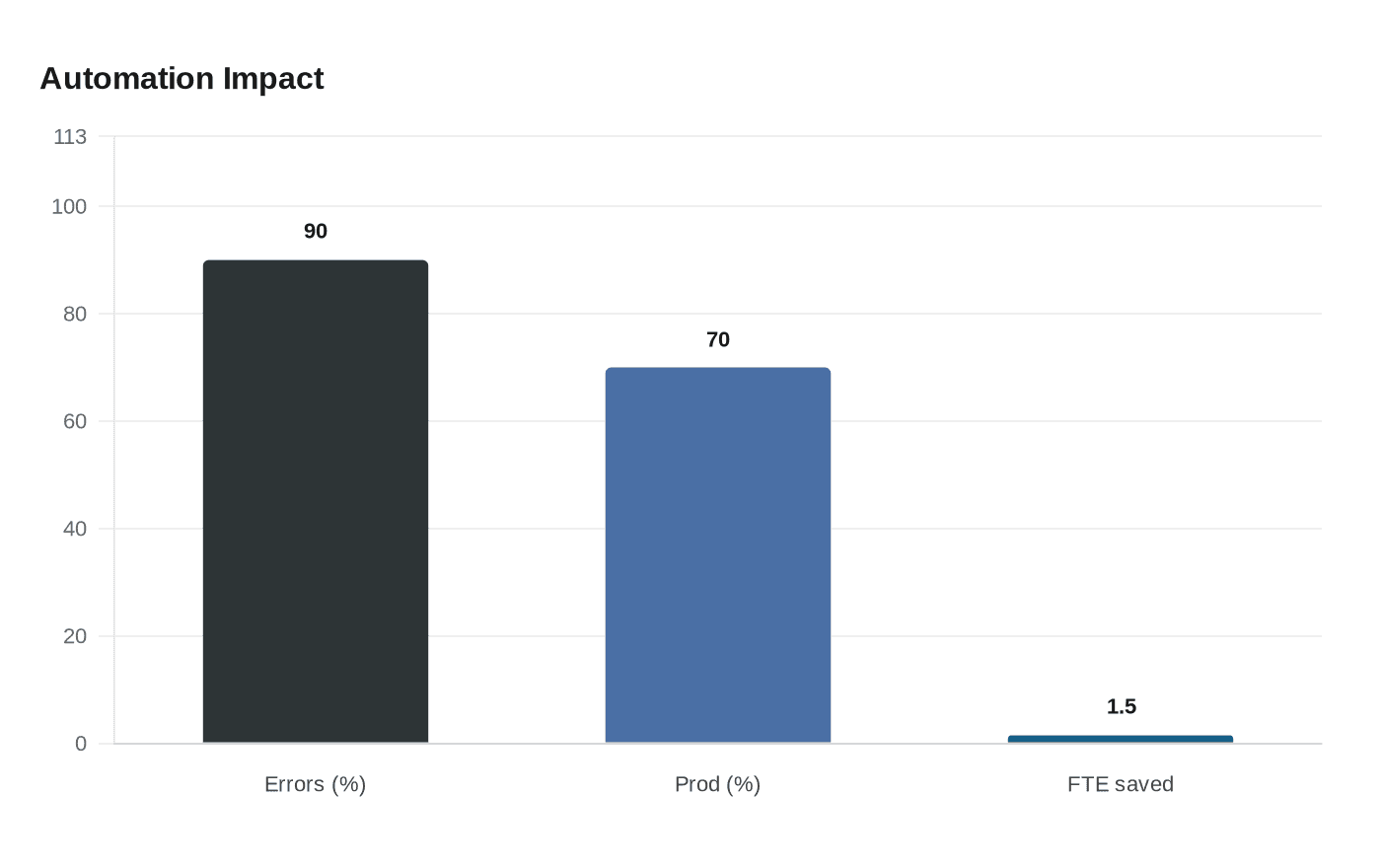
Sözer cut file errors 90% and boosted 3D printing output 70% after automating file preparation with Materialise Magics SDK, saving roughly 1.5 full-time equivalents.

Sözer reports a 90% drop in file errors and a 70% acceleration in production after automating its 3D printing file-preparation pipeline with Materialise Magics SDK, saving roughly 1.5 full-time employees' worth of manual work. The gains come from scripting repetitive prep steps that previously ate R&D and engineering time.
Materialise describes Sözer as a family-owned business founded in 1985 that operates in over 90 countries and is known for complex gold chains such as the Monaco Chain. Materialise also notes Sözer 3D prints chains, rings, earrings and bracelets. Other materials have described the company as a 40-year-old Turkish jeweler; the company profile details and founding-year language differ across source material.
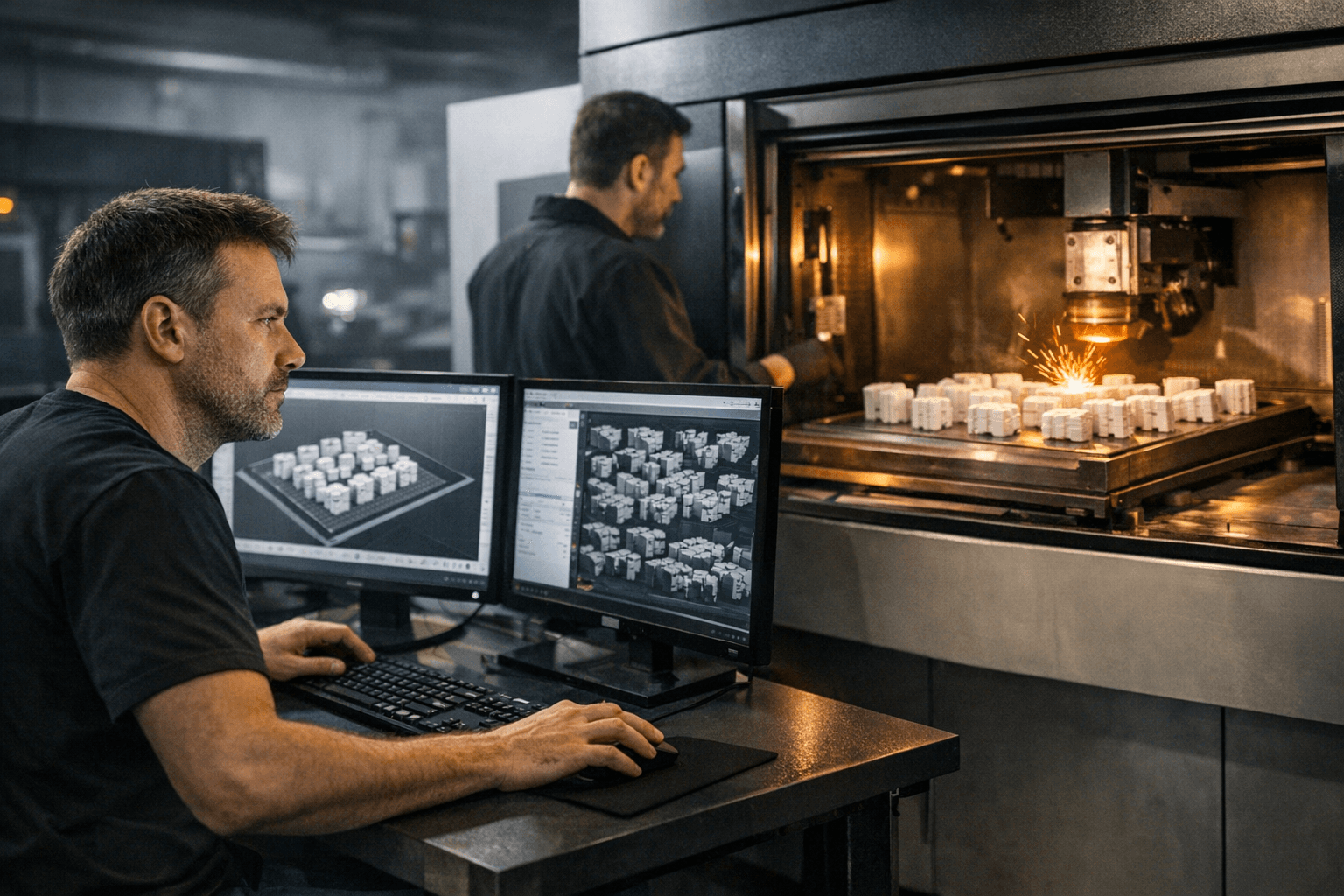
Sözer turned to the Magics SDK AM Workflow Scripting module to standardize and automate file-prep tasks. According to Materialise, Sözer’s engineers automated six concrete steps: filling holes in models, reducing triangles for mesh optimization, sharpening edges with the filter sharp tool, stitching parts together, unifying multiple shells into one and deleting small shells or floating parts. Materialise positions the Magics SDK building blocks as usable either through Materialise Makes or a Customer Makes path depending on who writes the scripts.
The operational impact is specific. Materialise’s case material states automation “reduced file errors by 90%” and “accelerated production by 70%.” Sözer’s in-text quote in the case material reads, “Using Magics SDK to automate the preparation of our 3D printing files was the perfect choice for us. It reduced human error, saved our employees time, and sped up our mass production capabilities. Now, our R&D team can focus more on design and innovation, which really excites them, instead of repetitive file processing.” A representative named Sercan adds, “Automating these steps with Magics SDK eliminates such mistakes by ensuring every file passes through the full preparation process automatically. It saves us about 1.5 full-time employees' worth of manual work.”
These figures and the verbatim quotes appear in Materialise’s case-study style content and are attributed to Sözer within that material. Materialise also markets a clear next step for other manufacturers, inviting teams to talk to their group and offering either Materialise Makes or Customer Makes implementations to get started with Magics SDK.
For jewelry manufacturers producing complex chains and small assemblies, Sözer’s move shows a concrete implementation of scripted AM workflows: six automated mesh and shell operations, measurable error reduction and throughput gains, and an explicit labor-equivalent saving. The result, as Sözer frames it, is a standardized file-prep pipeline that frees R&D to concentrate on design and innovation while Magics SDK handles routine preprocessing.
Know something we missed? Have a correction or additional information?
Submit a Tip