Taiwan looks to Ukraine’s wartime resilience as China pressure intensifies
Taiwan is borrowing Ukraine’s wartime playbook, from supermarkets in supply chains to taxis for medical emergencies, as a shadow network deepens.

With no official diplomatic or military ties, Taiwan and Ukraine have built a shadow network of executives, volunteers and civil society groups that is moving practical know-how across a widening security gap. The exchange is not symbolic. It is shaping how Taipei thinks about emergency logistics, communications and continuity planning as China’s military pressure intensifies.
A senior Taiwan security official said in March 2025 that Taipei was studying how Ukrainian companies such as Uber and Microsoft kept operating during Russia’s war. The ideas under review included using supermarkets for emergency supply distribution and taxi services for medical emergencies if hospitals were overwhelmed. That same week, a closed-door workshop in Taipei brought together Taiwan security officials and senior diplomats from the US, Japan and Australia. Andy Hunder, who heads the American Chamber of Commerce in Ukraine, argued that critical infrastructure needs backup online systems because cyberattacks can come before missile strikes.
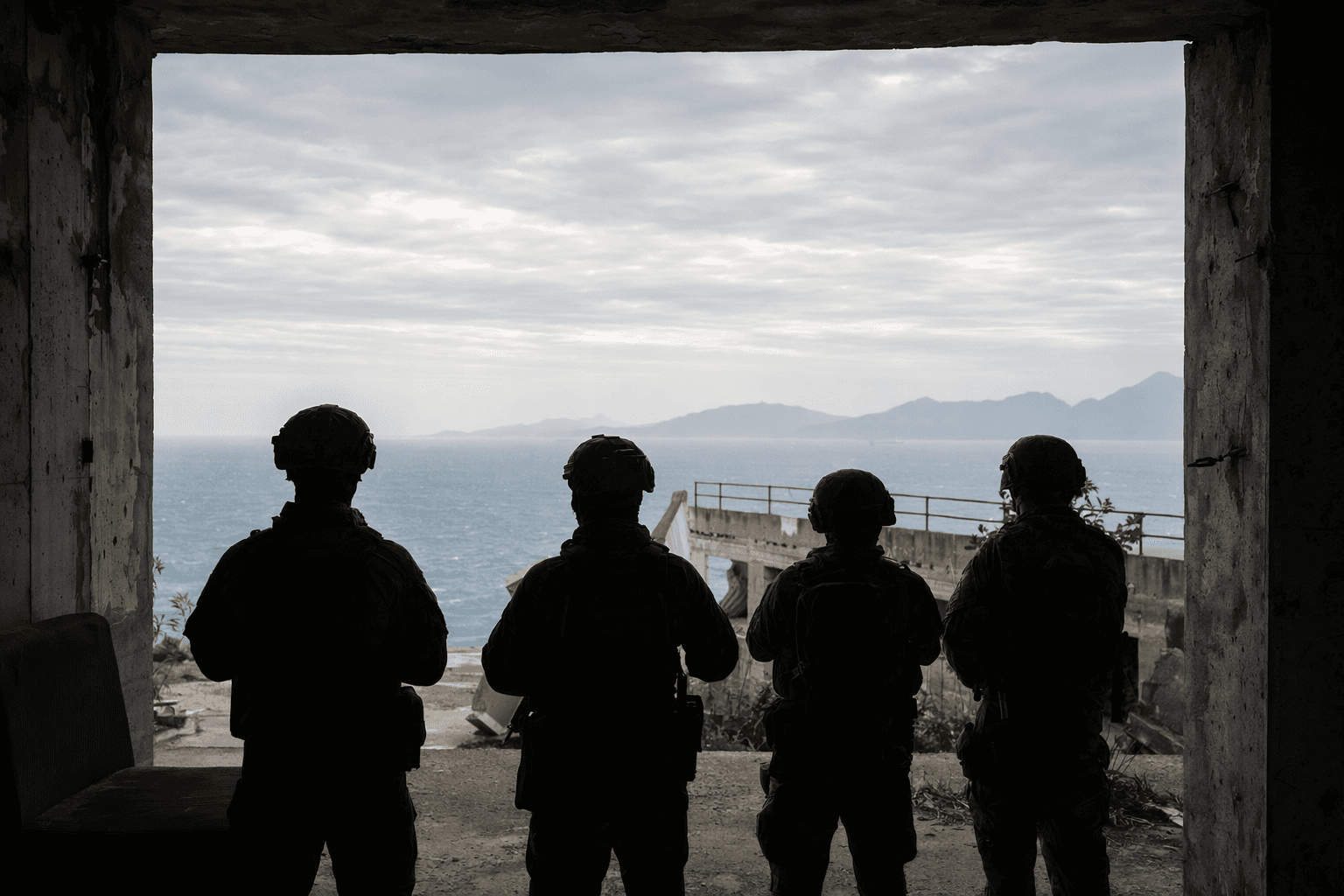
Inside Taiwan, the lesson has taken hold in public language and policy. A CNA report in November 2024 said “Ukraine today, Taiwan tomorrow” had become a common phrase. It also said Taiwan had already lengthened conscription terms and revised military training, while taking note of Ukraine’s experience with drones, satellite communications and defenses against cognitive warfare. The comparison has helped push Ukraine from a distant conflict to a working model for Taiwan’s own defense planning.
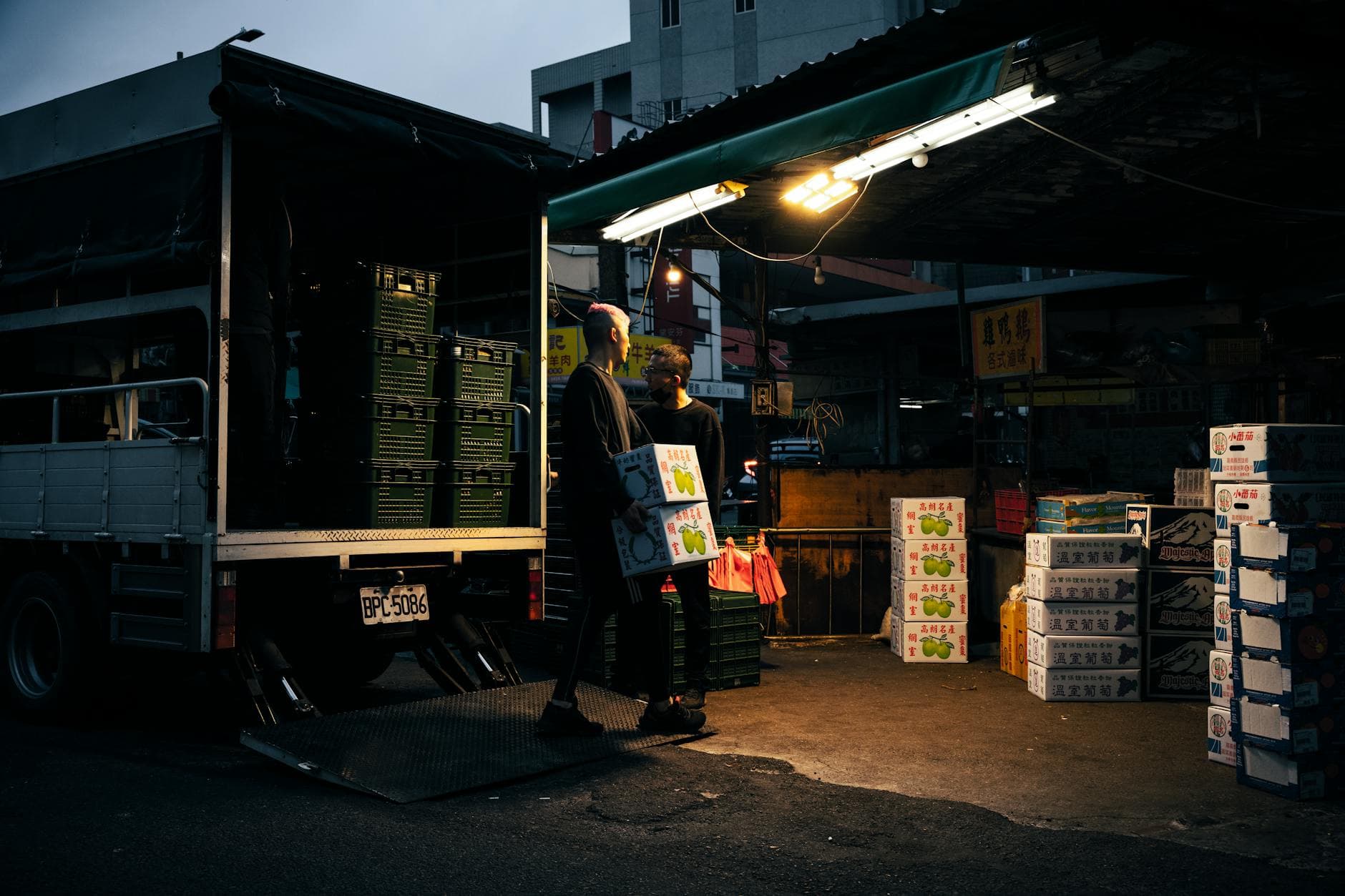
The connection has also run through humanitarian channels. A 2024 CEIAS assessment said Taiwan had provided more than $126 million and over 800 tons of humanitarian and medical aid to Ukraine, including 51 ambulances and emergency vehicles sent through Romania and Poland. Taiwan’s first batch of aid went out in March 2022, when 27 tons of medical supplies were sent first to Poland. Taiwan evacuated more than 60 nationals from Ukraine with help from Poland and Slovakia after Russia’s invasion, underscoring how the same corridor that carried aid also carried people to safety.
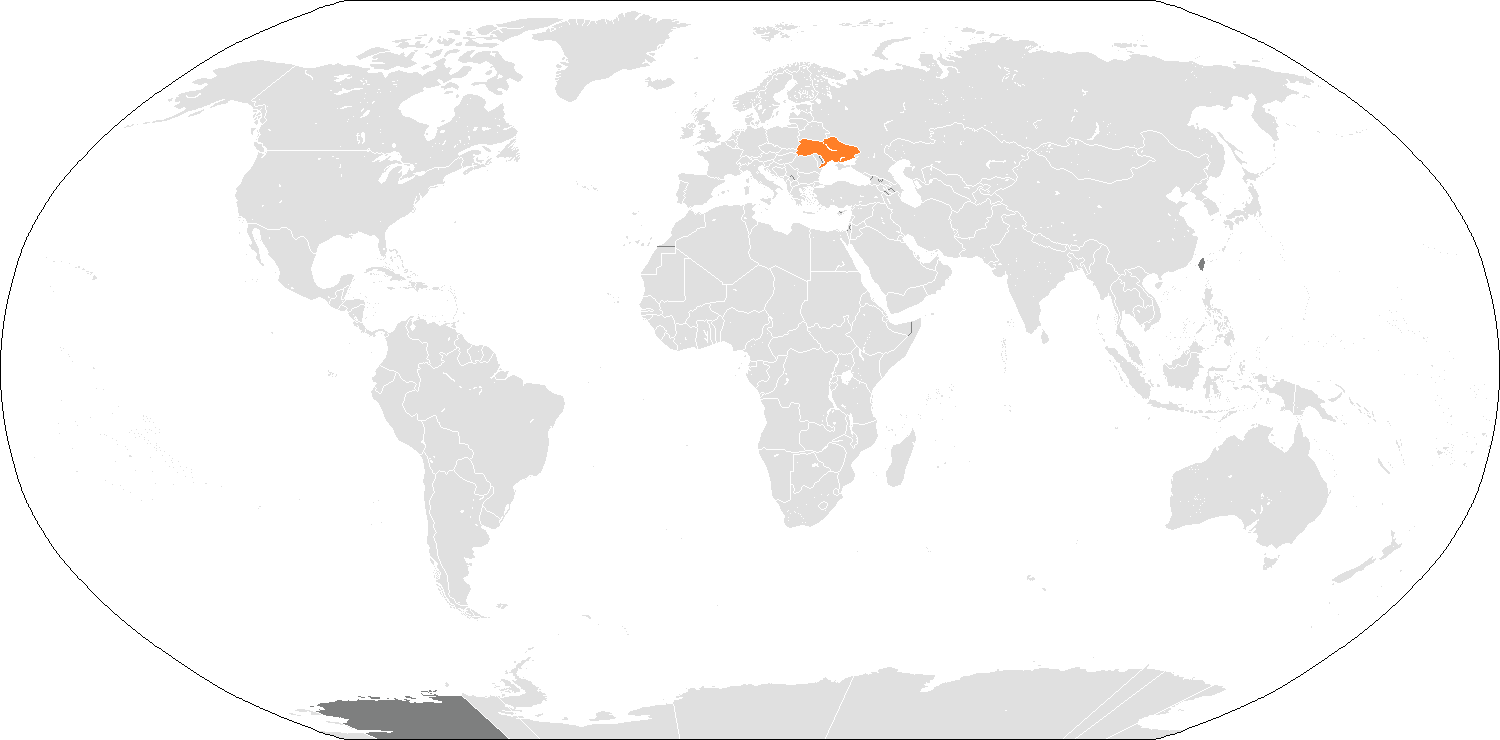
President Lai Ching-te reaffirmed Taiwan’s commitment to Ukraine’s reconstruction in August 2025, saying Taiwan had backed humanitarian relief through government funding and private donations and had worked with Czech and Polish partners. By April 2026, Taiwan’s DSET said cooperation in drone supply chains with Europe and Ukraine had expanded rapidly, with Taiwan exporting nearly 130,000 drones to Poland and Czechia in 2025, most later sent to Ukraine. Reuters reported in May 2026 that Neros chief executive Soren Monroe-Anderson said his company was testing 100 drones in Taiwan based on Ukrainian designs and was exploring production there. For Taipei, Ukraine has become both a warning and a rehearsal, turning wartime resilience into a policy template before any Taiwan contingency arrives.
This article was produced by Prism’s automated news system from verified source data, official records, and press releases, then run through automated quality and moderation checks before publishing. The system is built and supervised by the people who set the standards it runs under. Read our full AI policy.
Did this article answer your question?


