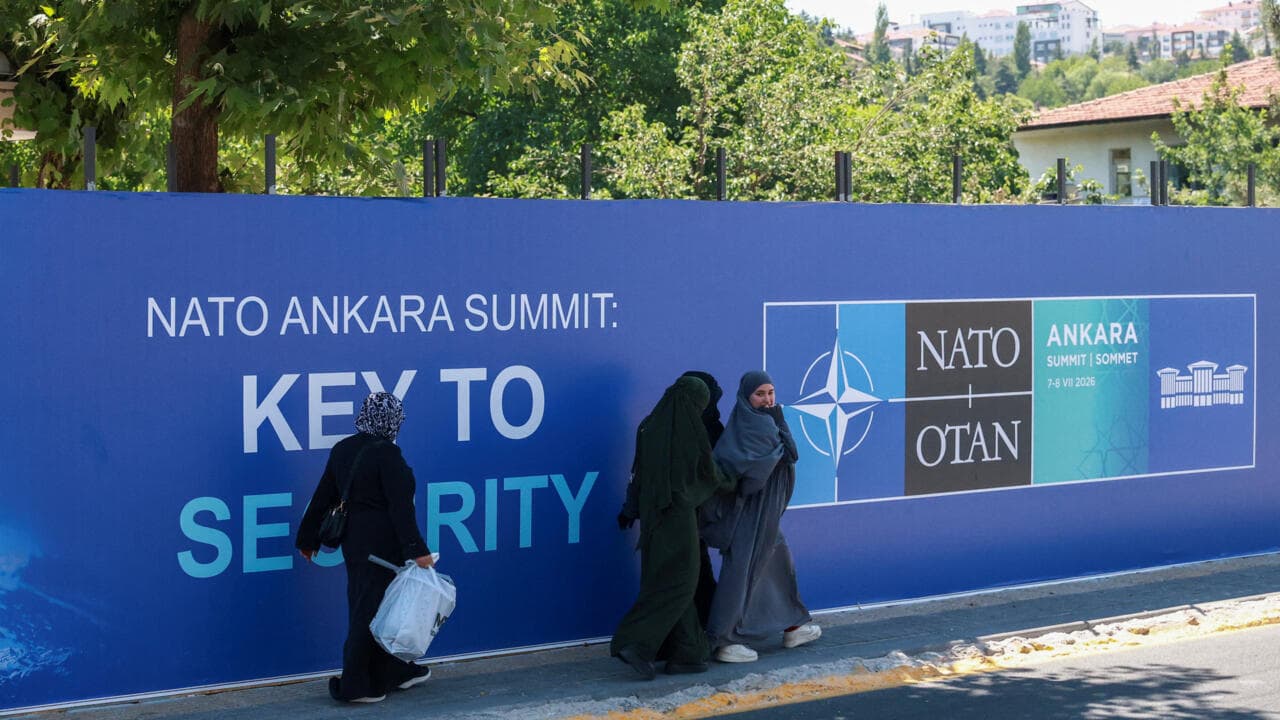
Tehran stages mass mourning for Khamenei to project defiance
Tehran filled with banners, rallies and state television pageantry as Iran marked three days of mourning for Ali Khamenei after his death in U.S. and Israeli strikes.
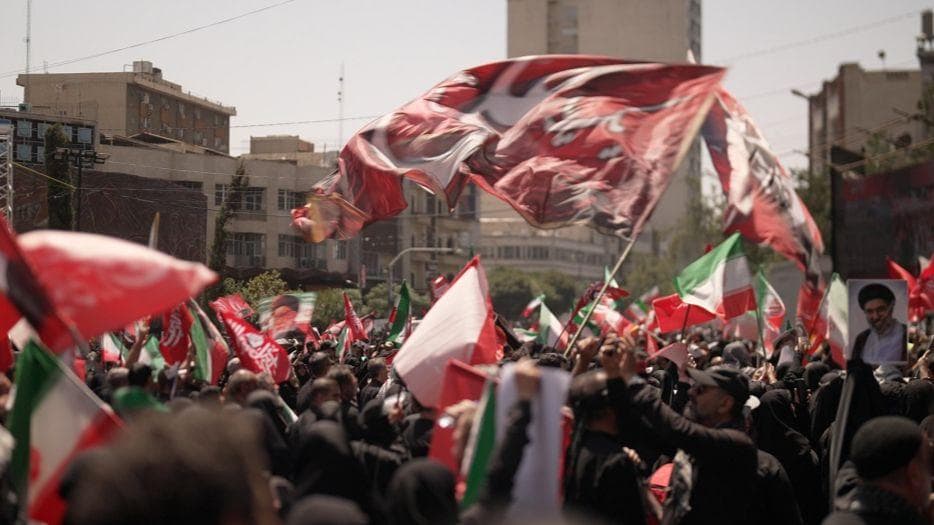
Tehran’s three days of public mourning for Ayatollah Ali Khamenei were staged as a political spectacle, with the capital turned into a backdrop for loyalty, defiance and control after the wartime killing of Iran’s supreme leader. Khamenei was killed on February 28, 2026, in Israeli and U.S. airstrikes at the start of the war, ending his 37-year rule and forcing the Islamic Republic to manage grief in public while answering questions about its future.
The ceremonies began in Tehran on July 3 and unfolded around the body lying in state in a vast hall where clerics, officials, foreign dignitaries and other mourners came to pay respects. Across the city, banners urged the public to rise in support of the Islamic Republic, while state television showed rallies in several Iranian cities, with chants backing the theocracy and rejecting America and Israel. The choreography was built to show devotion to the state, not just sorrow for a dead leader.
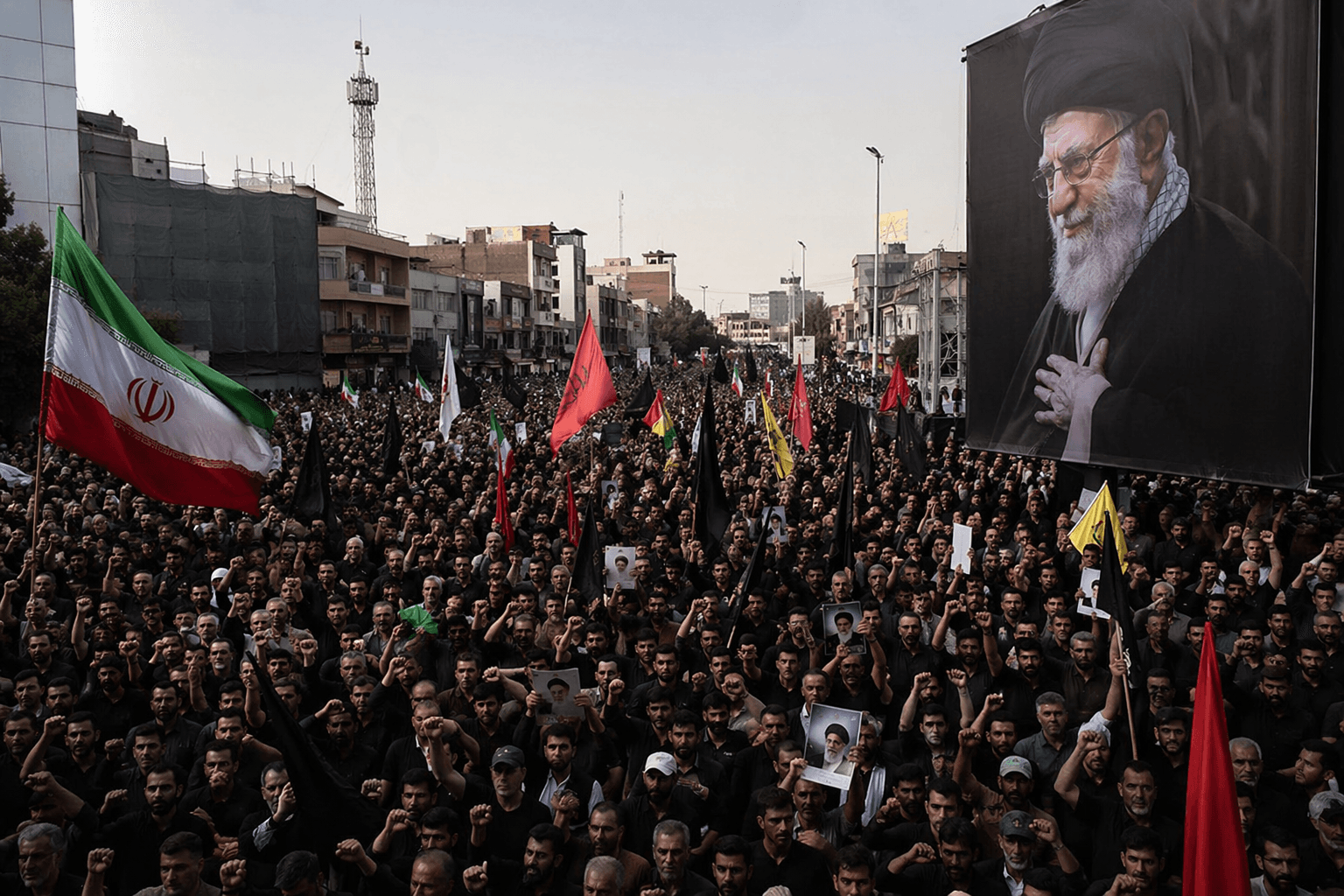
Iran’s rulers wanted the rites to project a message that revolutionary fervor had not faded despite the devastation of the war. The display was aimed at multiple audiences at once: the domestic public, regional rivals and the United States and Israel. Later coverage showed the processions were not confined to Tehran, but were also planned in other Iranian cities and in Iraq, extending the spectacle beyond the capital and into the wider geography of Iran’s political influence.
The timing made the display especially charged. Khamenei’s death closed out a 37-year reign that defined the Islamic Republic’s identity and power structure, and the public mourning came amid obvious succession anxieties. The state needed to show continuity after a moment of vulnerability, yet the scale of the ritual also left room for a different reading, that the leadership was working hard to mask pressure beneath ceremony.
Analysts and reporting raised the same question from the start: whether the spectacle would consolidate power or expose simmering discontent. The answer depended less on the banners or the rallies than on whether the mourning could convert wartime grievance into political unity, and whether the Islamic Republic could turn grief for Khamenei into proof that its rule remained unshaken.
This article was produced by Prism’s automated news system from verified source data, official records, and press releases, then run through automated quality and moderation checks before publishing. The system is built and supervised by the people who set the standards it runs under. Read our full AI policy.
Did this article answer your question?