Through the Wildwood Publishes Accessible Sourdough Cinnamon Swirl Bread Recipe
Through the Wildwood published a detailed, accessible sourdough cinnamon swirl bread recipe for home bakers who already keep a starter, a sweet‑lean, enriched loaf meant for an overnight workflow.
1. What Through the Wildwood published and who it’s for
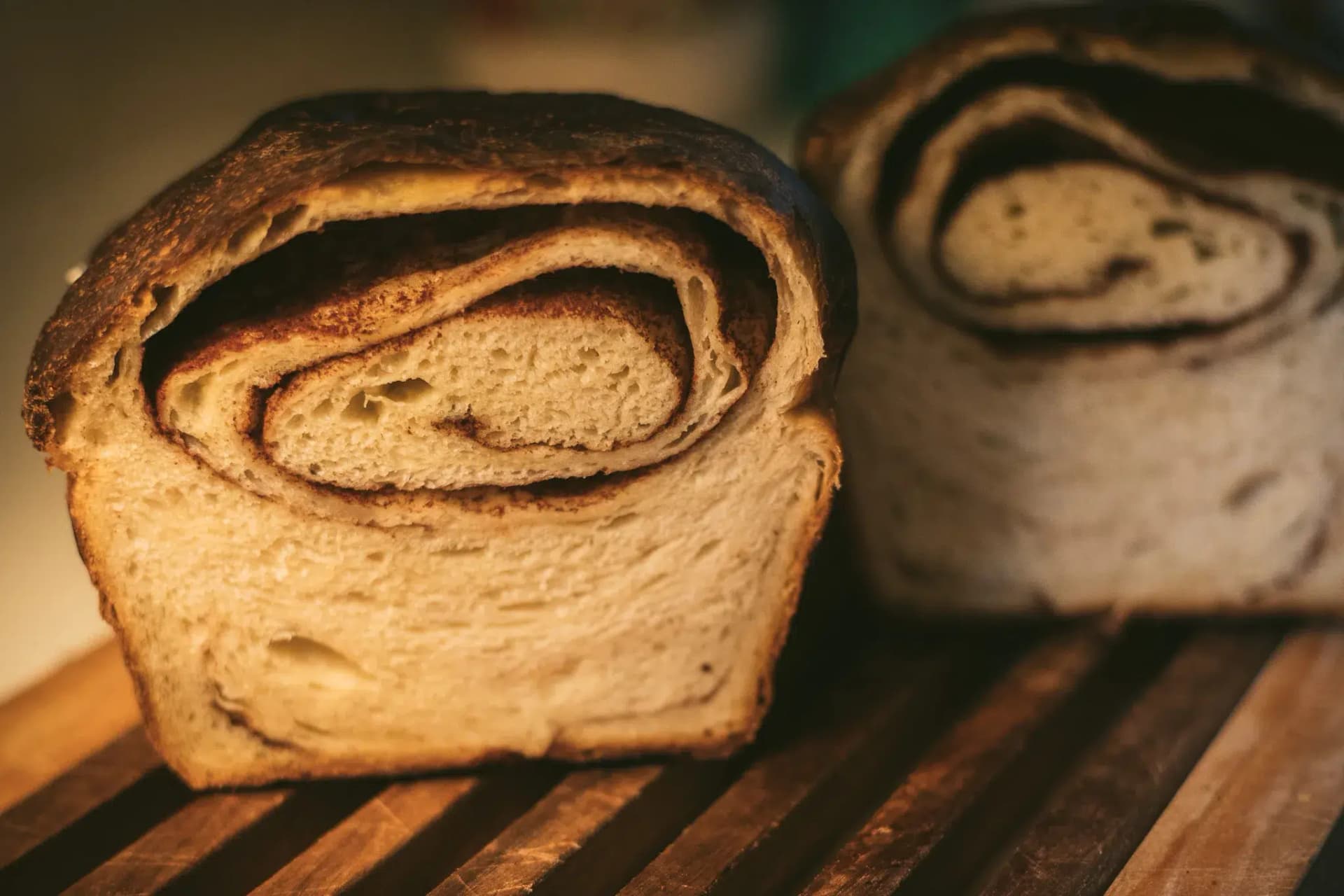
Through the Wildwood posted a “detailed recipe” for Sourdough Cinnamon Swirl Bread on February 24, 2026, explicitly targeting home bakers who already maintain a starter and want to translate sourdough skills into a sweeter, enriched loaf. The post is presented as an accessible sweet‑lean, enriched style, the kind of loaf that sits between a sandwich bread and a cinnamon-swirl sweet bread, but the excerpt available to me provides only the date and audience; the full ingredient weights and bake specifics were not included in the provided notes.
2. Why this is timely: multiple creators converging on the same loaf
This isn’t a lone blog post. Grant Bakes (YouTube) and several well-trafficked recipe sites published similar takes: Grant Bakes’ video “Sourdough Cinnamon Swirl Bread” (Oct 10, 2025) sits on a channel with 134,000 subscribers and had 7,006 views and 311 likes on the cited upload, demonstrating audience interest. Pantrymama, Thatsourdoughgal, Homemaker On A Budget and Apaigeofpositivity each run variations that highlight different priorities, low labor, swirl integrity, enriched crumb, so Through the Wildwood’s version joins a crowded, well-tested neighborhood of recipes.
3. Ingredient snapshots you can rely on from the assembled recipes
Ingredient lists differ across posts, but a clear picture emerges. Apaigeofpositivity (Courtney Paige) provides the most explicit full list in the excerpts: 150 g bubbly starter (fed 4–12 hours prior), 450 g bread flour (organic, unbleached), 280 g water, 10 g salt, 1/3 cup unsalted butter (softened), 1/4 cup dark brown sugar, and 1.5 tbsp cinnamon, prep 12 hours, cook 45 minutes, yields one loaf. Grant Bakes’ transcript calls the dough “lightly‑enriched” and explicitly uses 200 g water + 50 g whole milk in the dough plus 10 g plain white sugar; his filling paste includes brown sugar, cinnamon, flour and 30 g whole milk. Use those numbers as the working options when matching Through the Wildwood’s approach.
4. Starter timing: feeding ratios that match your schedule
Thatsourdoughgal lays out the predictable, useful feeding math: feed before bed at a 1:5:5 ratio to slow the starter so it peaks in 10–12 hours (“Mix 15g starter + 75g water + 75g bread flour”), or feed at 1:1:1 the same morning to peak in 4–6 hours (“50g starter + 50g water + 50g bread flour”). “You’ll know it’s ready when it’s bubbly, flat on top, and ideally, tripled in size.” If you follow Apaigeofpositivity’s 150 g starter requirement, scale those ratios so your 150 g is a bubbly, recently fed portion within the 4–12 hour window she suggests.
5. The filling debate: paste vs. sprinkle (and the measurable fix)
This is the technical crux for swirl integrity. Grant Bakes warns: “Sometimes when people make this type of bread, they get an air gap in between the cinnamon swirl and the top of the bread. In this recipe, I'll show you how to avoid that problem.” His fix: don’t treat the filling like a cinnamon roll. “What we're doing in this recipe is making a brown sugar and cinnamon paste because it works really well,” he says, mix cinnamon, brown sugar and flour, then “add 30 g of whole milk” to make a “thick but spreadable cinnamon sugar paste” that “binds itself to the bread and keeps the bread from separating.” By contrast, Pantrymama and Thatsourdoughgal describe sprinkling sugar during lamination and folding layers; Thatsourdoughgal also passes along a reader-tested trick: “If you microwave the cinnamon spread for 10–15 seconds and give it a stir, it spreads on the dough easily!” Bottom line: the paste method is explicitly designed to reduce steam-driven gaps; sprinkling is quicker but requires very careful lamination.
6. Shaping and lamination, the practical sequence
Pantrymama lays out an easy shaping flow that pairs with both filling styles: autolyse or mix, flip the dough out “sticky side up,” gently pull into a rough rectangle with the short side toward you, sprinkle or spread cinnamon mixture, fold and repeat so the filling is distributed through the layers, then shape into a batard or boule. In practice, if you’re using Grant Bakes’ paste, spread thinly and roll like a classic swirl; if you’re sprinkling, be deliberate about folding so pockets of sugar don’t concentrate and steam. The article excerpts show authors choose batard or boule shapes and sometimes use a sling or parchment for transfer.
7. Enrichment: what “lightly‑enriched” means in practice
“Lightly‑enriched” is more than marketing here. Grant Bakes adds whole milk and a touch of white sugar to soften the crumb; Apaigeofpositivity’s list explicitly includes 1/3 cup softened butter in the dough, plus dark brown sugar for the filling, that formulates a noticeably richer, tender crumb than an austere country loaf. If you want a soft sandwich‑style crumb that still behaves like sourdough, lean toward the milk/butter options in the excerpts; if you want a more open, chewier crumb, reduce enrichment and give extra attention to bulk fermentation and shaping.
8. Variations and serving ideas that actually matter
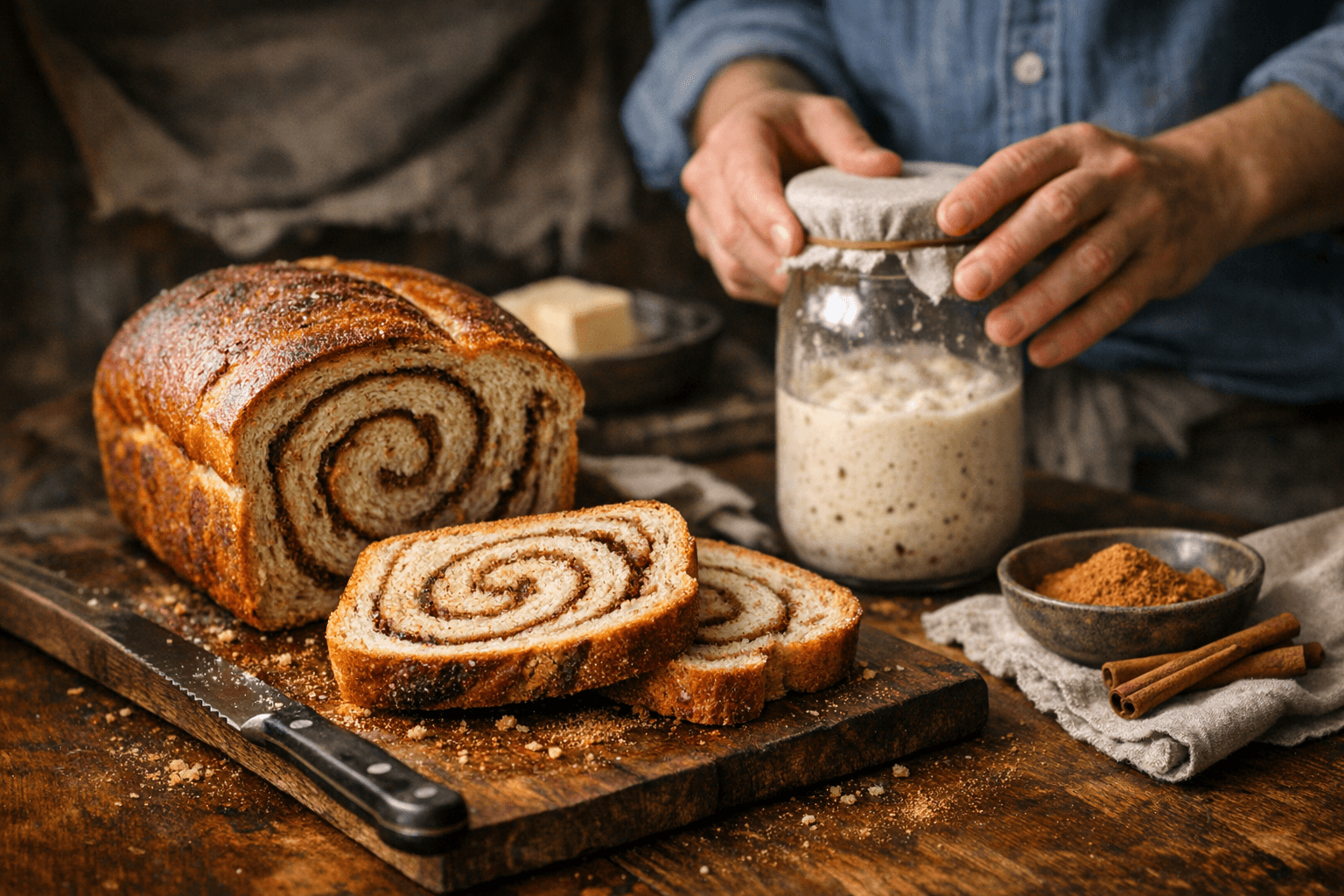
Thatsourdoughgal gives a clear raisin path: soak 85 g raisins in vanilla extract (or water) for 30 minutes, drain and sprinkle them during lamination for even distribution, and save the vanilla-soak liquid for discard recipes. Apaigeofpositivity suggests serving possibilities that make the loaf worth the effort: toasted with butter and flaky sea salt, spread with cream cheese, or turned into French toast or a French Toast Bake. Those are practical ways to justify a special bake and use slices beyond sandwiches.
9. Timings, equipment and published metrics
Expect one-loaf yields and multi-stage timing across these recipes. Apaigeofpositivity lists Prep 12 hours and Cook 45 minutes; Pantrymama’s card shows Prep 4 hours, Cook 45 minutes and a Total Time formatted in the excerpt as roughly “1 day d 2 hours hrs 45 minutes mins.” Equipment called out explicitly by Courtney Paige: “Kitchen scale; Large mixing spoon; Banneton (bread basket); parchment; Dutch oven or ceramic pot with lid (I use my Caraway pot).” Grant Bakes’ video has audience reach (134k subscribers) and engagement (7,006 views; 311 likes) that signal these methods aren’t niche.
10. Troubleshooting and real user feedback
Readers and commenters flag two persistent problems: swirl separation (air gaps) and crust burning/separation. Grant Bakes explicitly connects separation to melting sugar and butter and offers the milk‑thickened paste as a remedy. A Thatsourdoughgal commenter reported crust burning and separation even when baking in the oven’s lower third and using a sling and crimped wax paper, a reminder that oven setup, loaf placement and bake vessel matter, yet those specifics weren’t standardized across excerpts. Practical fixes you can take from the notes: use the paste to reduce steam gaps, warm the spread briefly (10–15 seconds) for easier spreading, and pay attention to bake vessel and placement since commenters report uneven browning.
11. What’s left unsaid in the excerpts, and the practical next moves
Through the Wildwood’s post is described as detailed but the provided excerpt doesn’t include weights, oven temperature, or bake vessel specifics, items you’ll need before committing to a full bake. Across the other recipes, oven temperatures and exact bake setups vary or are unstated in the excerpts; Apaigeofpositivity mentions using a Dutch oven or Caraway pot, which is a usable starting point. If you keep a 150 g fed starter like Courtney Paige recommends, match your feed timing to Thatsourdoughgal’s 1:5:5 or 1:1:1 examples so the starter peaks when you mix. If swirl separation has haunted you, follow Grant Bakes’ paste method and the microwave spreading trick from Thatsourdoughgal, those are the most concretely documented fixes in the notes.
Conclusion Through the Wildwood’s February 24, 2026 post joins a cluster of accessible, home‑baker‑friendly cinnamon swirl sourdoughs that emphasize either low labor (mix the night before) or technical fixes (paste to prevent gaps). The strongest, evidence-backed takeaway from these combined notes: if you want a dependable swirl that won’t separate, adopt Grant Bakes’ brown‑sugar–cinnamon paste (with the added 30 g whole milk) or at least warm your spread before laminating, and match starter feeding windows (Thatsourdoughgal’s 1:5:5 or 1:1:1) so your starter peaks predictably. That combo, fed starter, considered enrichment, and the paste or warmed spread, is what will get you a tender, aromatic cinnamon swirl loaf without the steam pockets that make even good dough look amateur.
Know something we missed? Have a correction or additional information?
Submit a Tip