Tierra del Fuego Pushes Back on Hantavirus Cruise Outbreak Link
Tierra del Fuego says the hantavirus case aboard the MV Hondius points away from Ushuaia, as officials warn the province’s birding and cruise economy is being dragged into fear.
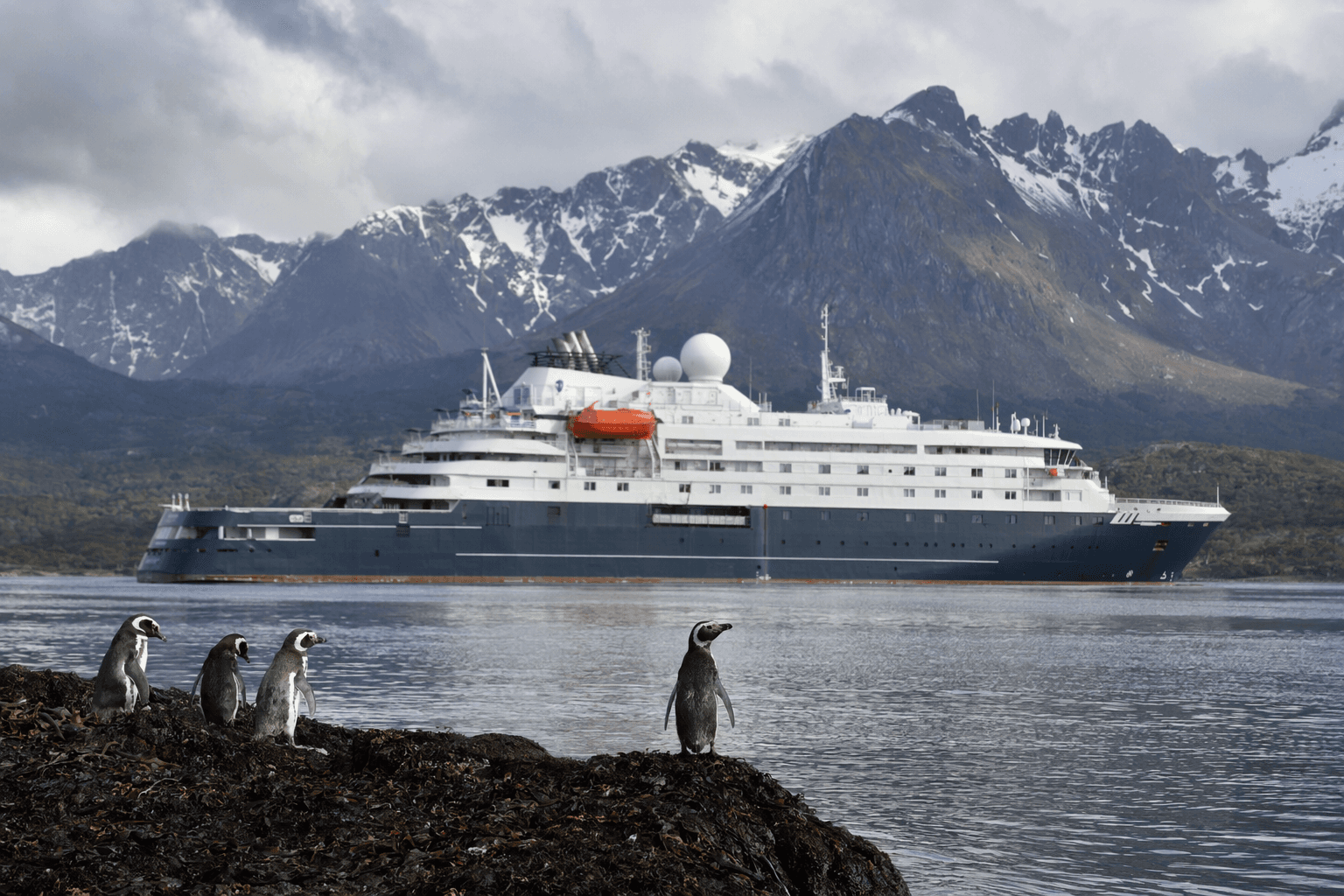
The hantavirus outbreak tied to the MV Hondius has put Tierra del Fuego under an unwanted spotlight, but provincial officials say the cruise-linked illness should not be read as proof that Ushuaia was the source. Their argument rests on timing, travel history and the narrow exposure window aboard a ship that left Argentina with 147 people from 23 countries and later stopped at remote points across the South Atlantic.
The vessel departed Ushuaia on April 1 with 86 passengers and 61 crew, then sailed past Antarctica, South Georgia Island, Tristan da Cunha, Saint Helena and Ascension Island. By May 4, the World Health Organization said seven cases had been identified, including two laboratory-confirmed hantavirus infections, five suspected cases and three deaths. By May 8, the Centers for Disease Control and Prevention said WHO had reported eight cases, including three deaths. WHO said illness onset ranged from April 6 to April 28 and identified the virus as Andes virus, a strain that can spread person to person, although that is uncommon.
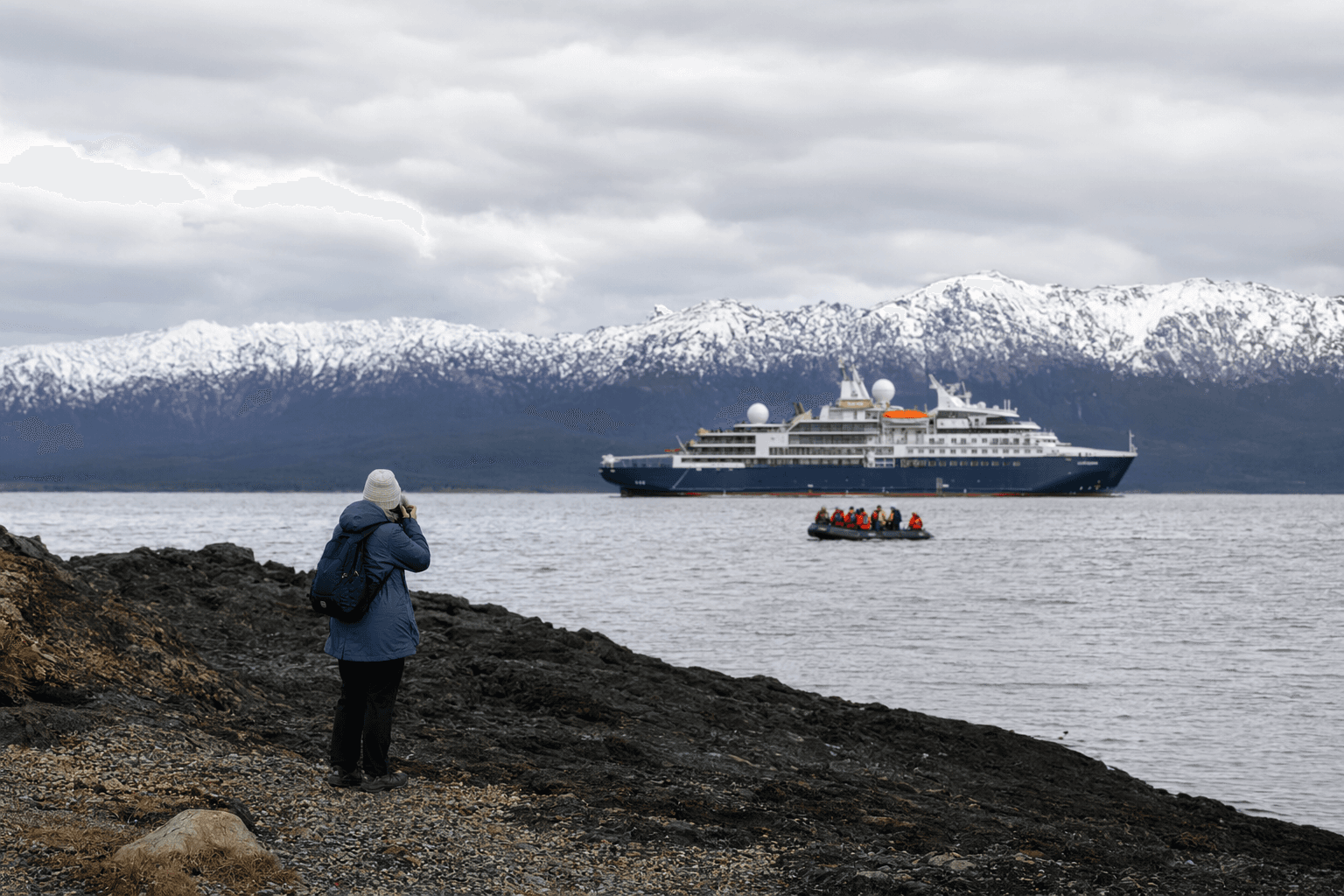
Tierra del Fuego health director Juan Petrina said there was an “almost zero” chance that the Dutch man contracted hantavirus in Ushuaia. Petrina said the man developed symptoms on April 6, about five days after boarding the ship, which he said did not fit an infection acquired in the province. The Dutch couple had spent about 48 hours in Ushuaia before departure, and officials said they also had traveled in Chile, Uruguay and other parts of Argentina before boarding.
Authorities have also rejected speculation that the couple’s exposure came from a landfill or another rodent site in Ushuaia. An Argentine Health Ministry official said a bird-watching stop in the city remained only a hypothesis, not a confirmed source. That distinction matters in Tierra del Fuego, where tourism is a major economic driver and Ushuaia serves as a gateway for Antarctic cruises and a magnet for birders drawn to the province’s biodiversity.
International health agencies have stressed that the broader public risk remains low. WHO said the risk to the global population was low, and the CDC said the risk to people in the United States was considered extremely low. The CDC also said it was coordinating the repatriation of American passengers to a specialized facility in Nebraska while the response continued and the ship remained moored off Cabo Verde.
The dispute has also unfolded against a wider rise in Argentina’s hantavirus burden. The Health Ministry reported 101 infections since June 2025, roughly double the same period a year earlier, and said deaths were nearly one-third of cases over the last year, far above the average mortality rate of 15 in the five years before. For Tierra del Fuego, the fight is now as much about reputation as epidemiology: keeping a cruise outbreak from hardening into a regional stigma that reaches travelers who never came near the ship.
This article was produced by Prism’s automated news system from verified source data, official records, and press releases, then run through automated quality and moderation checks before publishing. The system is built and supervised by the people who set the standards it runs under. Read our full AI policy.
Did this article answer your question?


