Tinybox Systems unveils LEGO-style modular tiny-home kits for Kuujjuaq pilot
Tinybox Systems shipped a Lego‑style kit and a two‑person local crew in Kuujjuaq assembled a studio tiny home in just 10 days to test cold‑climate performance against Nunavik’s 1,000‑home shortfall.

Tinybox Systems, a Toronto housing tech startup, says its prefabricated LEGO‑style kits were assembled into a working studio in Kuujjuaq in just 10 days, a pilot pitched as a way to chip away at Nunavik’s severe housing gap of about 1,000 homes. The rapid build and the region’s scale of need make the pilot a concrete test of whether kit assembly can cut costs where importing skilled labour and short construction seasons drive up traditional builds.
Local reporting shows a two‑person local crew assembled the Kuujjuaq unit between late September and early October, trained and supervised by Tinybox experts. “This was the first time the company’s modular building system has been put together by an external team, Frise said,” according to Local Journalism Initiative reporting by Dominique Gené, which also notes the 10‑day assembly timeline repeated in Tinybox’s own LinkedIn messaging.
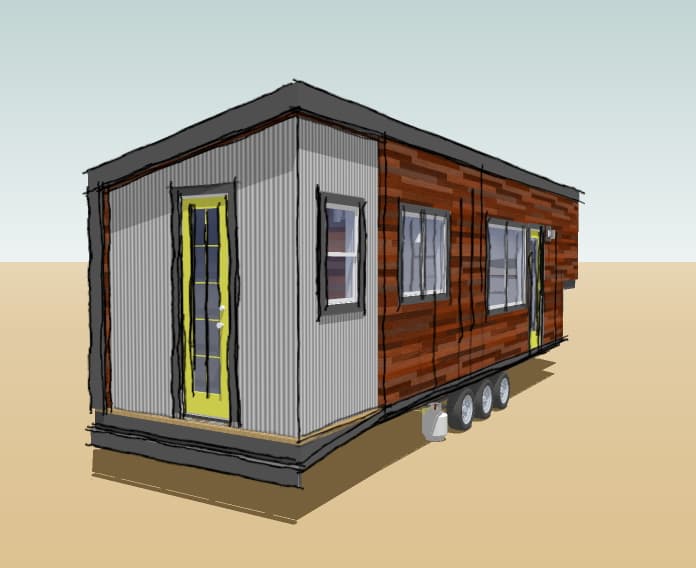
The Kuujjuaq unit is described as a studio space with a kitchenette, a bed built into a wall, and a bathroom, while the mechanical room for water, heating and electrical systems sits in a separate unit next to the house. Those modular mechanical pods are part of Tinybox’s approach to simplify on‑site work and isolate service equipment from the primary living module.
Design choices target extreme northern conditions. The pilot home uses special insulation rated to handle temperatures down to -50 C and a frame built to withstand heavy snow, and the unit is fitted with sensors to track how the house performs over time in harsh weather. Those sensor feeds will be crucial to verify claims on thermal performance and durability before any larger deployment.
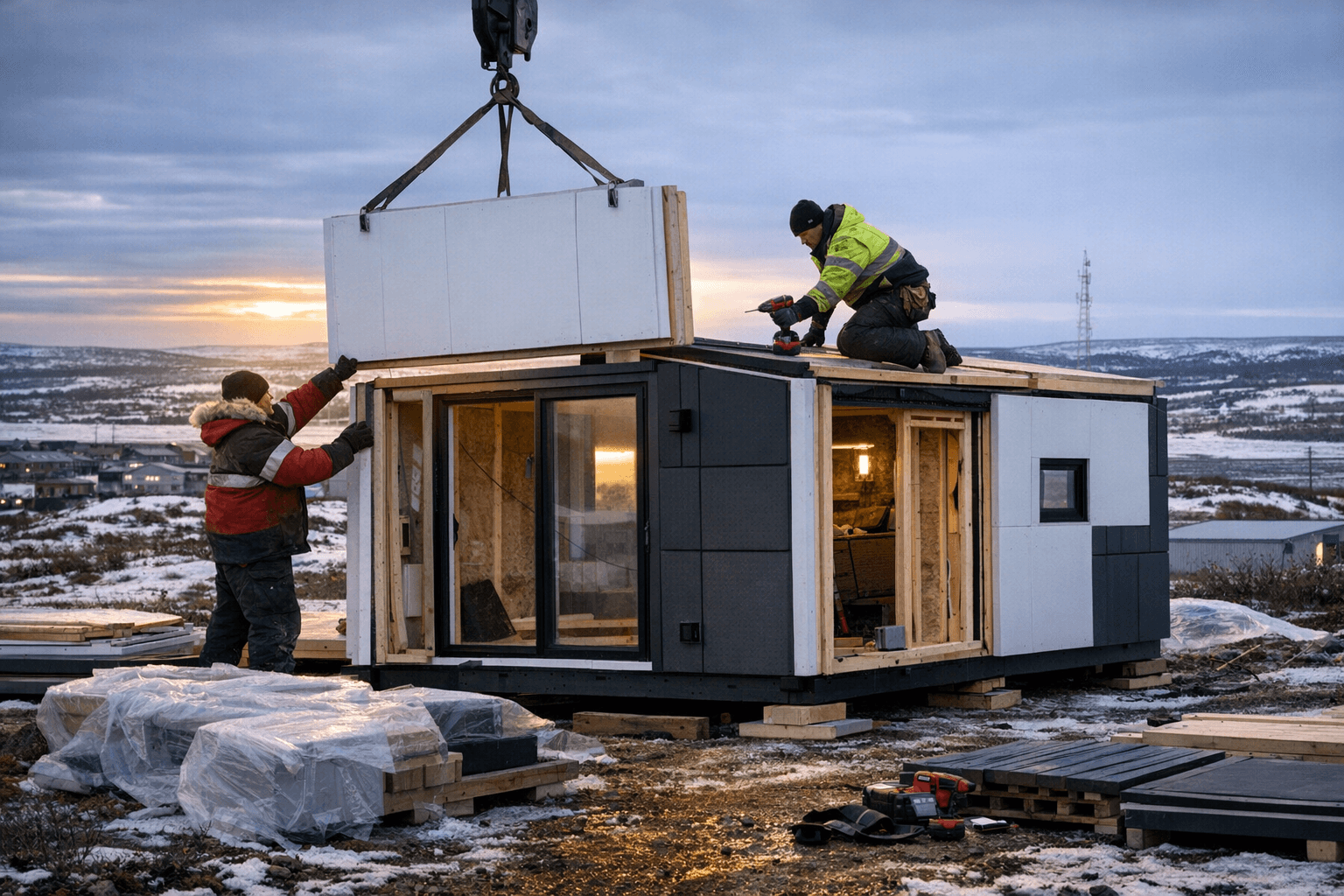
Co‑founder Charlie Frise has framed the product as a full kit model: “What’s promising about our solution is everything comes as a kit,” Frise said, and he has compared the system to familiar consumer builds: “It’s like Lego or Ikea furniture.” Nunatsiaq reporting also says Tinybox began discussions with Kativik Regional Government in late 2024 about the pilot, placing the Kuujjuaq work within an ongoing dialogue with regional officials.
Tinybox’s own LinkedIn page touts the project and the 10‑day assembly, labeling the company a “Better Buildings Climate Champion” and showing 81,446 followers. National coverage has circulated the simple framing that a Toronto startup is betting on Lego‑style kits to speed housing production in northern Quebec, where harsh winters and remoteness make site builds slow and costly.
Key details remain to be confirmed before Tinybox’s kits can be compared directly with conventional northern builds: the exact calendar year of the late‑September/early‑October assembly, the full report behind the 1,000‑home shortfall figure cited for Nunavik, per‑unit pricing, production capacity, shipping timelines, and longer‑term results from the pilot’s monitoring sensors. The Kuujjuaq pilot now proceeds into its monitoring phase; sensor data and formal agreements with regional authorities will determine whether Tinybox’s Lego‑style approach scales to address Nunavik’s urgent housing shortfall.
Know something we missed? Have a correction or additional information?
Submit a Tip