Top HIV/AIDS science chief quits, criticizes Trump’s global health cuts
Mike Reid’s exit exposes a deeper rupture: PEPFAR’s science chief left after attacking Trump’s aid cuts, as HIV treatment and prevention face new uncertainty.

Mike Reid’s departure from the government’s top HIV science post has turned into a stark rebuke of the Trump administration’s global health strategy, with the clash centering on whether politics is now overriding an evidence-based program that has long been a pillar of U.S. diplomacy.
The State Department ended Reid’s employment immediately after it saw his April 20 Substack post, and a spokesperson said he departed by mutual agreement after he “admitted he could no longer provide nonpartisan scientific advice.” Reid, in turn, said global health work was “inherently anti-fascist” and incompatible with the administration’s “authoritarian” domestic trajectory.
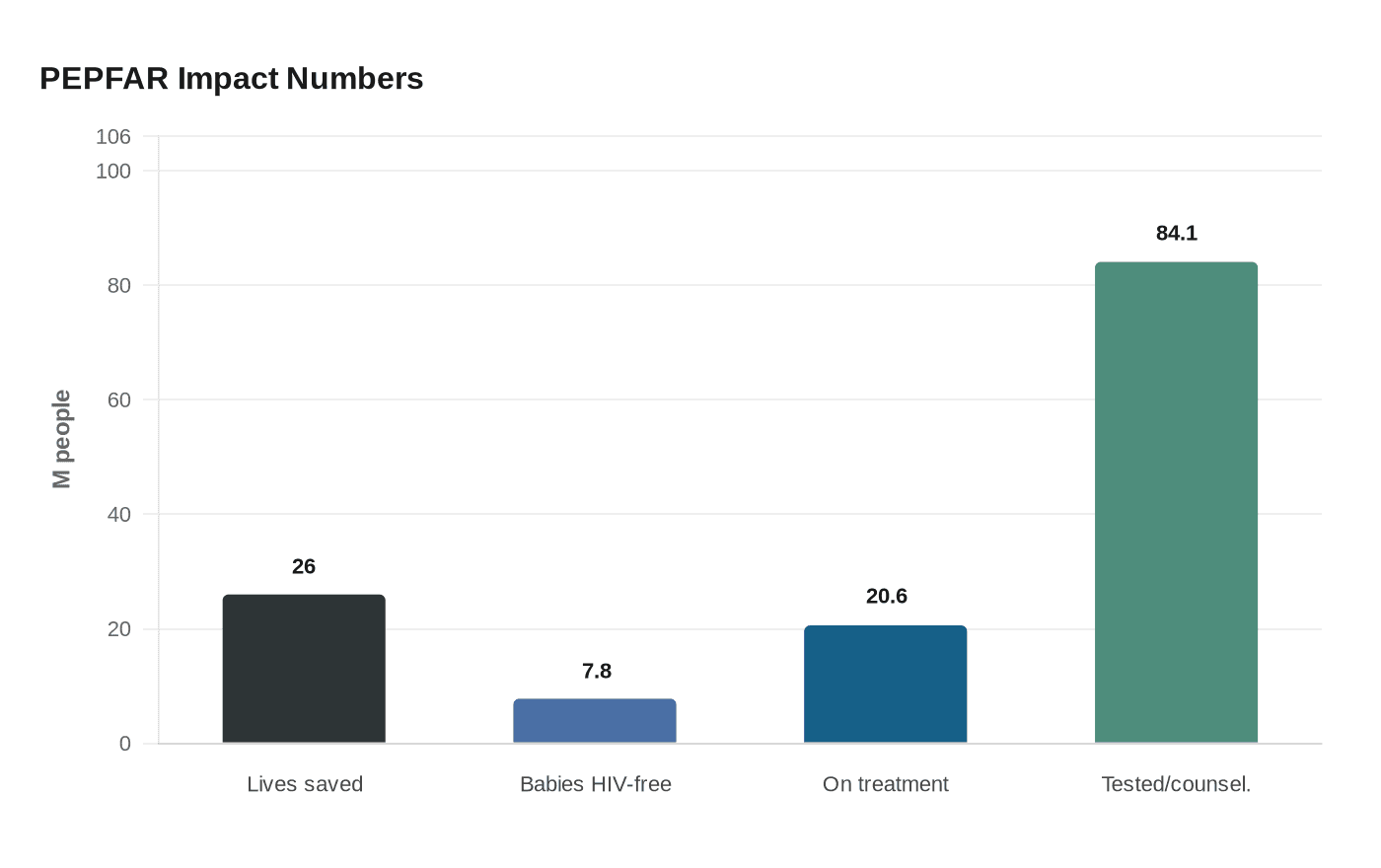
The stakes reach far beyond one resignation. Reid served as chief science officer for PEPFAR, the President’s Emergency Plan for AIDS Relief, the flagship U.S. HIV/AIDS program created under President George W. Bush. The State Department says PEPFAR has invested more than $100 billion in the global HIV/AIDS response since 2003, saved 26 million lives and helped 7.8 million babies be born HIV-free. The program’s future has become harder to read after Trump dismantled the U.S. Agency for International Development last year, removing the main federal machinery that once oversaw most foreign aid.
That uncertainty is already visible in the numbers. A 2025 memo cited by ABC News said 20.6 million people in more than 50 countries received antiretroviral treatment through U.S. programs in fiscal 2025, even as overall PEPFAR spending fell by roughly 30 percent. ABC also reported that 84.1 million people received HIV testing and counseling services through PEPFAR in 2024, a reminder that the program’s reach goes well beyond drug delivery and into prevention, diagnosis and linkage to care.
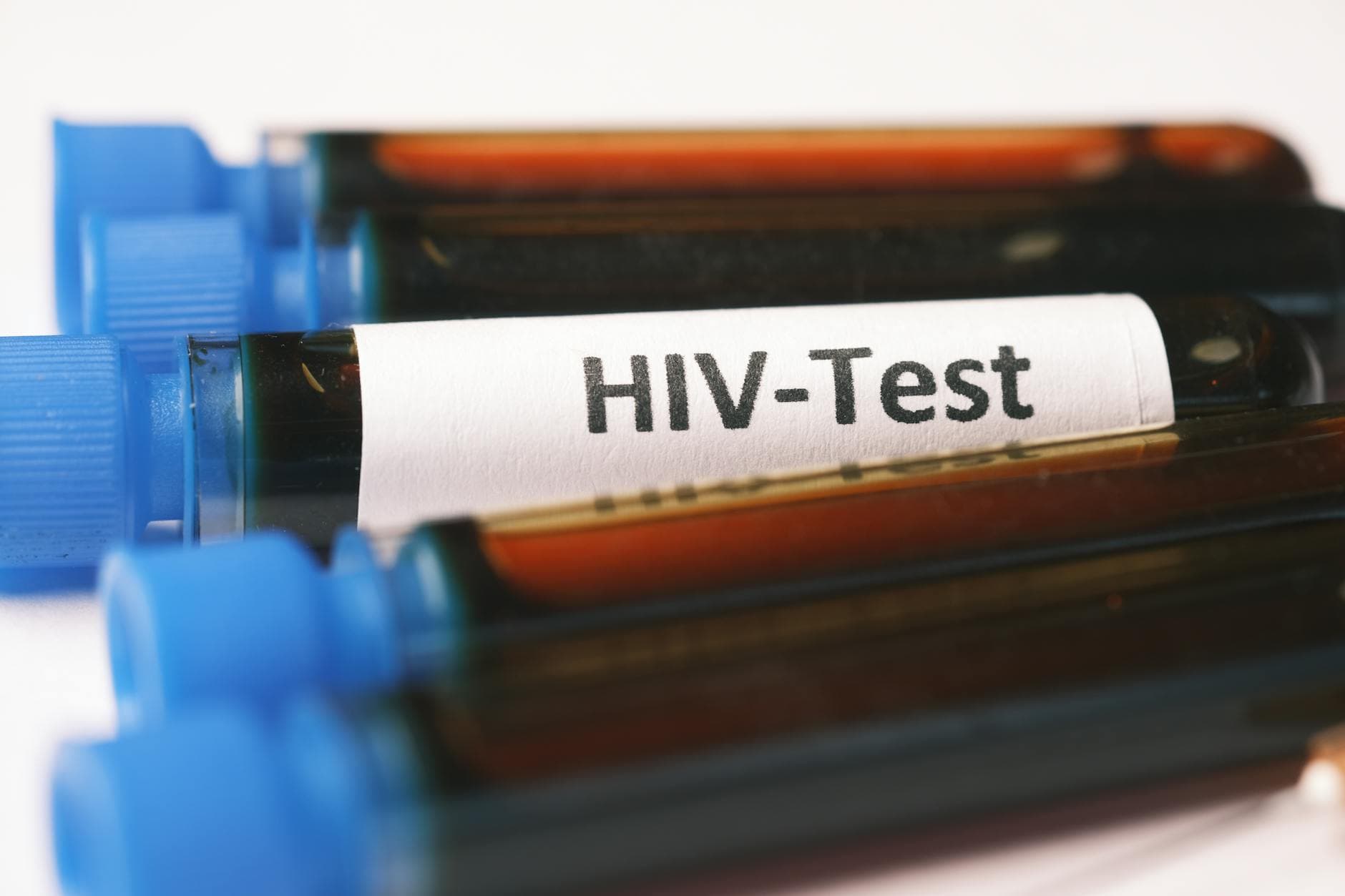
UNAIDS says PEPFAR-supported programs operate across 55 countries and warns that permanent discontinuation of treatment and prevention could produce 6.6 million additional HIV infections between 2025 and 2029, including about 660,000 among children. The agency is now tracking country-level disruption in places including Tanzania, Uganda, South Africa, Burundi, Eswatini, Ethiopia and the Philippines, where funding changes can quickly mean interrupted treatment, weaker testing campaigns and thinner clinical oversight.
The State Department has framed its course as an “America First Global Health Strategy,” saying President Donald Trump and Secretary of State Marco Rubio are building to end the HIV/AIDS epidemic through a different model. Reid’s exit suggests that inside the bureaucracy, the debate is not just about management style. It is about whether the United States will keep its most successful global HIV program intact, or let a bipartisan public-health legacy fray under the pressure of a political realignment.
This article was produced by Prism’s automated news system from verified source data, official records, and press releases, then run through automated quality and moderation checks before publishing. The system is built and supervised by the people who set the standards it runs under. Read our full AI policy.
Did this article answer your question?