Trump administration negotiates up to $500 million rescue for Spirit Airlines
Trump officials are weighing up to $500 million for Spirit Airlines, a rare federal rescue for a single carrier after fuel costs and cash strain threatened liquidation.
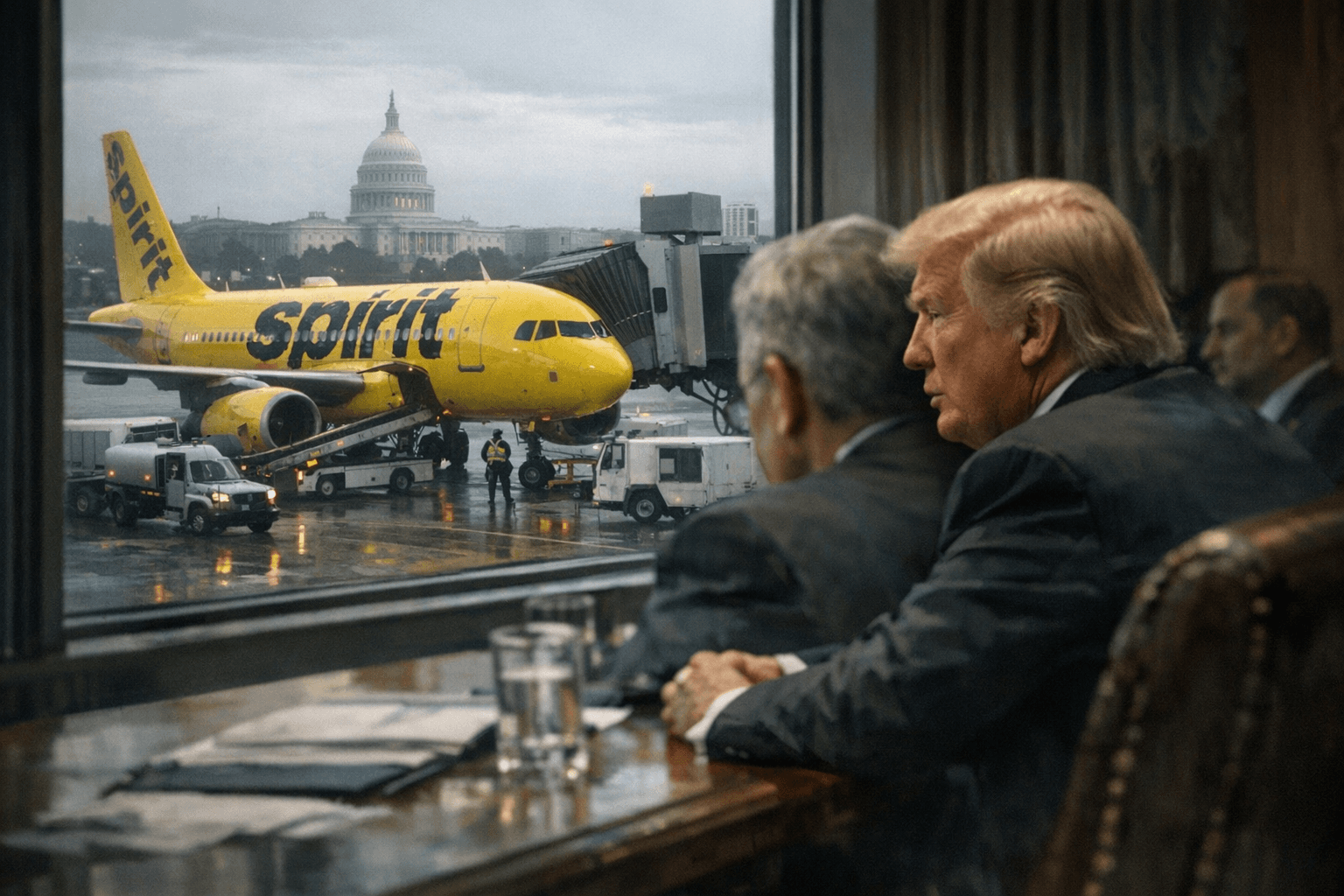
The Trump administration is negotiating a rescue package worth as much as $500 million for Spirit Airlines, a stark test of how far a free-market White House will go to keep a budget carrier alive. The deal, if completed, would not just bridge a cash crunch. It would force officials to argue that Spirit’s survival matters to competition, fares, jobs and service for travelers who depend on the airline’s low-cost model.
Spirit’s need for help comes after one of the most bruising stretches in its history. The airline filed for Chapter 11 again on August 29, 2025, only months after emerging from its first restructuring on March 12, 2025. That earlier process equitized about $795 million of funded debt and brought in a $350 million equity investment from existing investors. Spirit later told investors it expected to exit Chapter 11 by early summer 2026, but by March 2026 its restructuring plan already showed how deep the damage had become, projecting that debt and lease obligations would fall from $7.4 billion before filing to about $2 billion after emergence.
The airline’s own turnaround plan was built around a smaller operation. Spirit said it would rightsize its fleet to 76 to 80 aircraft by the third quarter of 2026 and concentrate on core markets including Fort Lauderdale, Orlando, Detroit and the New York City area. But rising jet fuel prices undermined those assumptions, and Spirit said the higher fuel bill had worsened its bankruptcy-exit math. The company has also been cutting routes, shrinking its fleet and absorbing labor fallout, including planned furloughs affecting roughly 1,800 flight attendants and earlier pilot reductions.
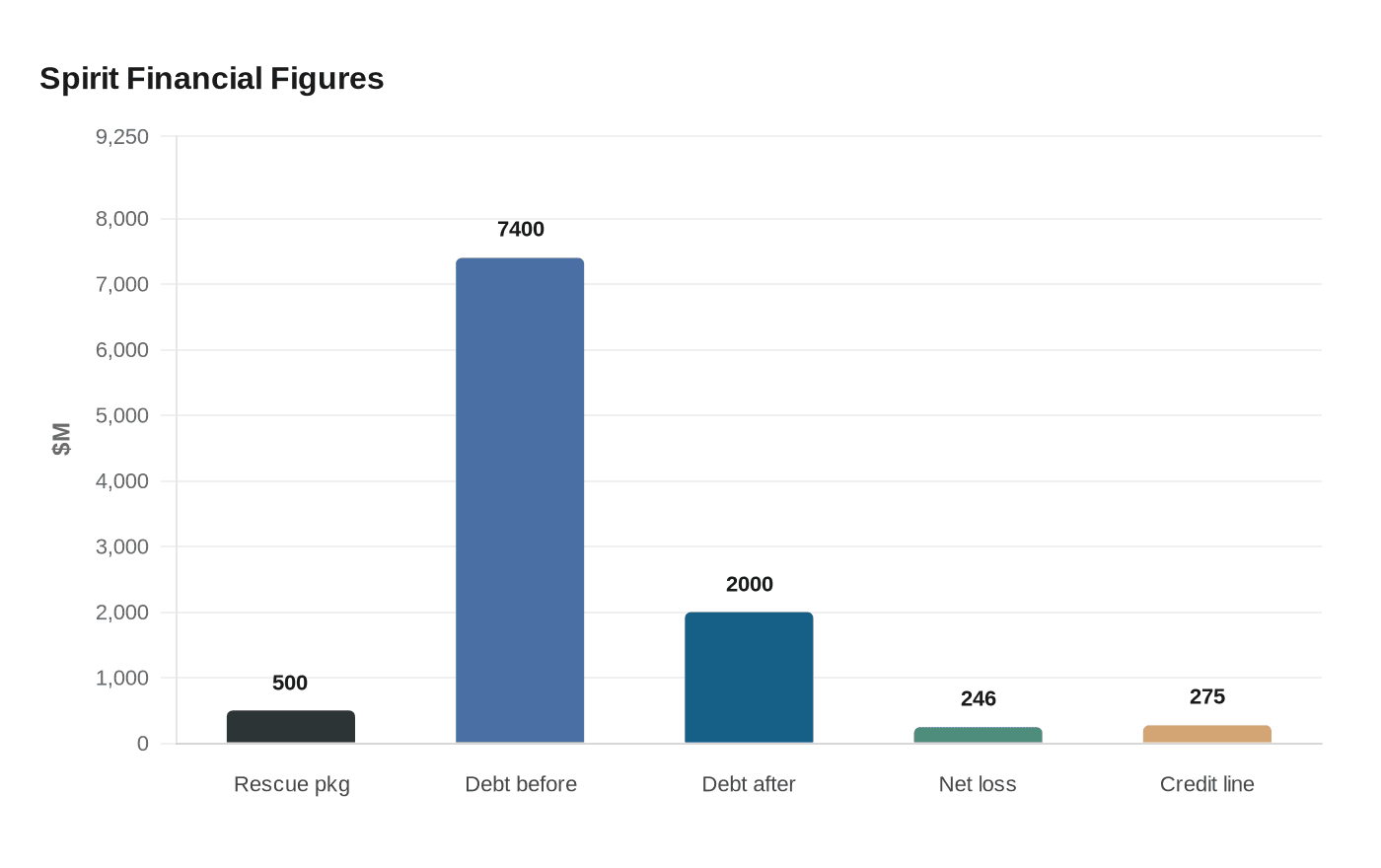
The financial strain is severe. Spirit had borrowed the full $275 million available under its revolving credit facility, posted a net loss of about $246 million in the three months ended June 30, 2025, and recorded quarterly operating expenses of $1.2 billion, equal to 118% of revenue. Those numbers help explain why federal support is even on the table, but they also sharpen the policy question: whether Washington should step in to preserve an ultra-low-cost airline that still disciplines fares in a market where bigger carriers often dominate.
Spirit’s troubles deepened after a federal judge blocked JetBlue Airways’ $3.8 billion acquisition in January 2024, stripping away a potential exit. The airline entered bankruptcy in November 2024, emerged in March 2025 and was back in court by August. Any government package could include warrants that give Washington the option to take a future equity stake, an unusual move that would make the federal government a potential shareholder in a company built on discount fares.
Know something we missed? Have a correction or additional information?
Submit a Tip