Trump and Xi to Discuss AI Risks, Chips, Trade in Beijing Talks
Trump and Xi were set to confront AI risk in Beijing, but neither side wanted to slow its own race for chips, models and military leverage.

AI risk was on the agenda in Beijing, but the deeper issue was trust. Donald Trump and Xi Jinping were expected to discuss artificial intelligence alongside nuclear weapons, Iran, Taiwan and trade, yet both governments have spent the past year treating AI leadership as a strategic prize rather than a shared restraint.
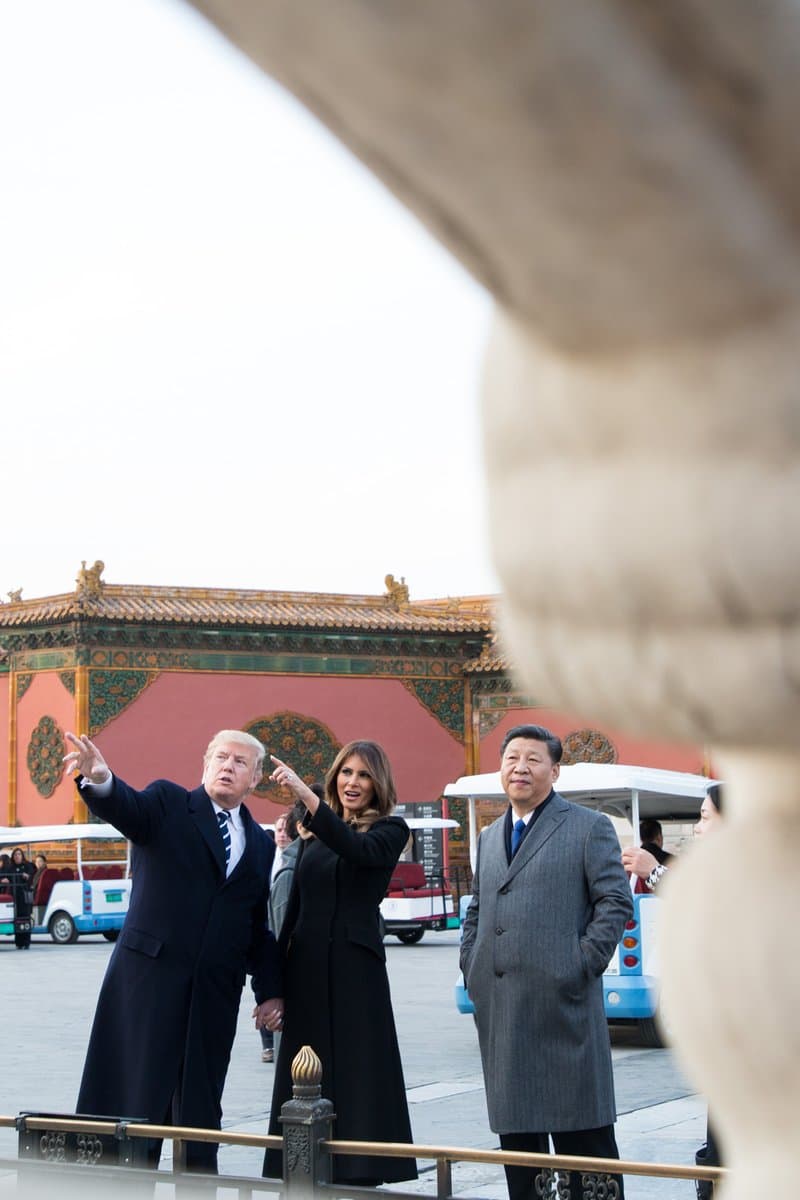
The meeting marked the first face-to-face encounter between Trump and Xi in more than six months and Trump’s first trip to China since 2017. That makes the summit more than a diplomatic reset. It is a test of whether Washington and Beijing can agree on limited guardrails while continuing a competition that reaches from chip fabs to military planning.
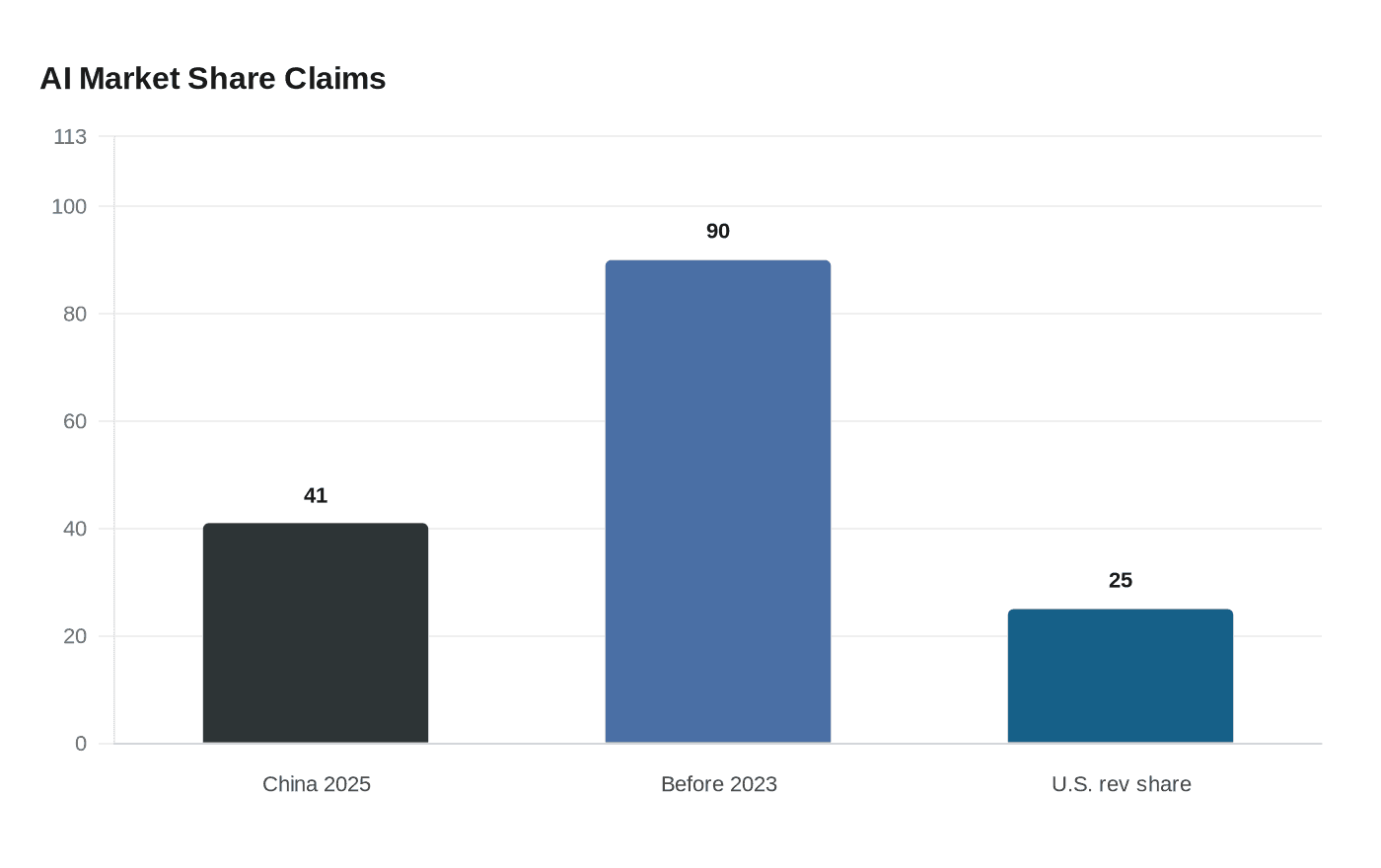
The rivalry is already being shaped by export controls and semiconductor access. A recent estimate put Chinese domestic AI chips at nearly 41 percent of China’s market in 2025, after Nvidia had held more than 90 percent of that market before U.S. export restrictions tightened in 2023. The Trump administration has also allowed some sales of Nvidia’s H200 chips to China under a licensing system, while taking a 25 percent revenue share for the U.S. government. That arrangement underscores how closely AI policy is now tied to trade leverage, industrial policy and national security.
Inside Washington, the political line has hardened rather than softened. The White House’s 2025 AI Action Plan described U.S. AI leadership as a national-security imperative and said the country should maintain unquestioned and unchallenged technological dominance. In March 2026, the administration unveiled a national AI legislative framework that again emphasized winning the race. That leaves little room for any broad agreement in Beijing that could look like a slowdown, even as U.S. officials acknowledge the risks from advanced systems.
The most realistic ground, if there is any, lies in limited confidence-building measures rather than an arms-control-style breakthrough. Military hotlines, model-safety talks and red lines around autonomous weapons would be easier to imagine than a sweeping pact on frontier AI. Analysts at the Council on Foreign Relations have argued that Beijing is unlikely to negotiate in good faith on AI safety and that targeted dialogue would need to be paired with sustained pressure on export controls. Others have pointed to cybersecurity fears and open-source attacks as reasons the talks may produce little more than a shared acknowledgement of danger.
Business interests are part of the calculation too. Trump invited Elon Musk, Tim Cook and Larry Fink to join the China trip, a sign that the summit touched not only geopolitics but also the companies building the AI stack, from chips to cloud infrastructure. The hard truth remains unchanged: both capitals can see the risks, but neither wants to be the first to brake.
Know something we missed? Have a correction or additional information?
Submit a Tip