Trump-backed candidates rout GOP rivals across key 2026 primaries
Trump’s allies won big in Indiana and Kentucky, but Bill Cassidy’s third-place finish and a Texas runoff showed the general-election risks still lurking.
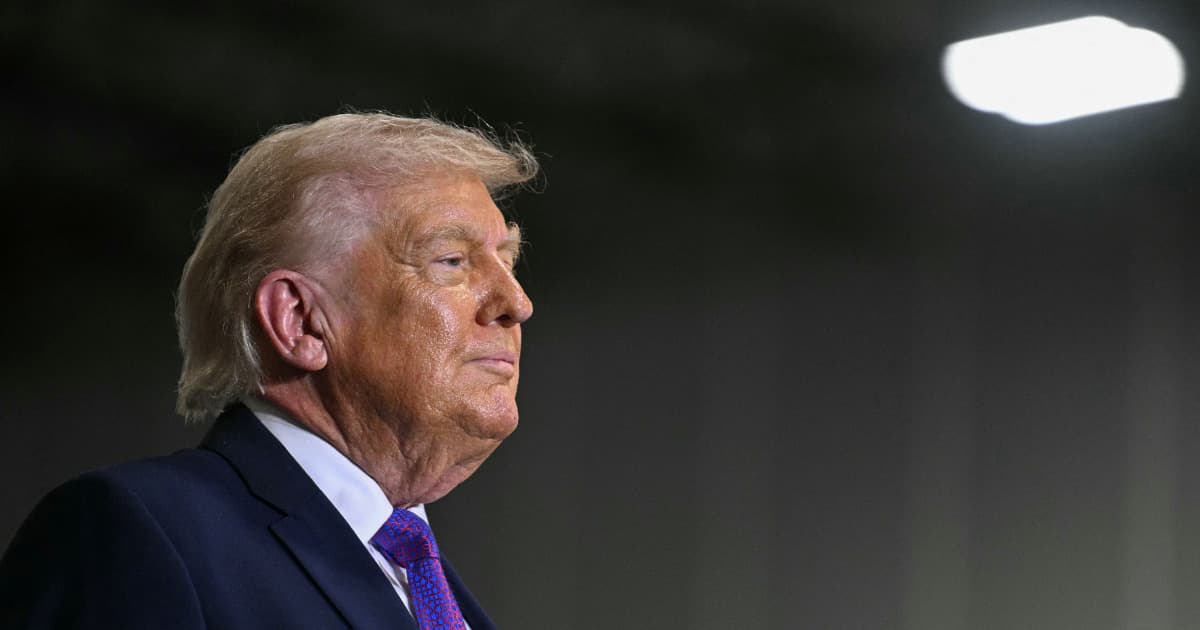
Trump-backed challengers delivered a sharp rebuke to Republicans who had crossed him, winning a majority of targeted Indiana state Senate primaries and sweeping into marquee contests in Kentucky and Louisiana. The results showed how thoroughly Donald Trump still controls the Republican Party, even as the larger question hangs over the 2026 map: whether loyalty-test victories will translate into stronger candidates in November, or leave Republicans with a narrower path in swing seats.
Indiana provided the clearest sign of Trump’s leverage. Seven Republican state senators who opposed his redistricting plan last December were targeted, and at least five of the seven Trump-endorsed challengers won. One incumbent held on, and one race was still too close to call. The outcome gave Trump another example of his ability to settle intraparty scores, while also underscoring the party’s internal pressure to align with his agenda on matters as consequential as congressional maps.
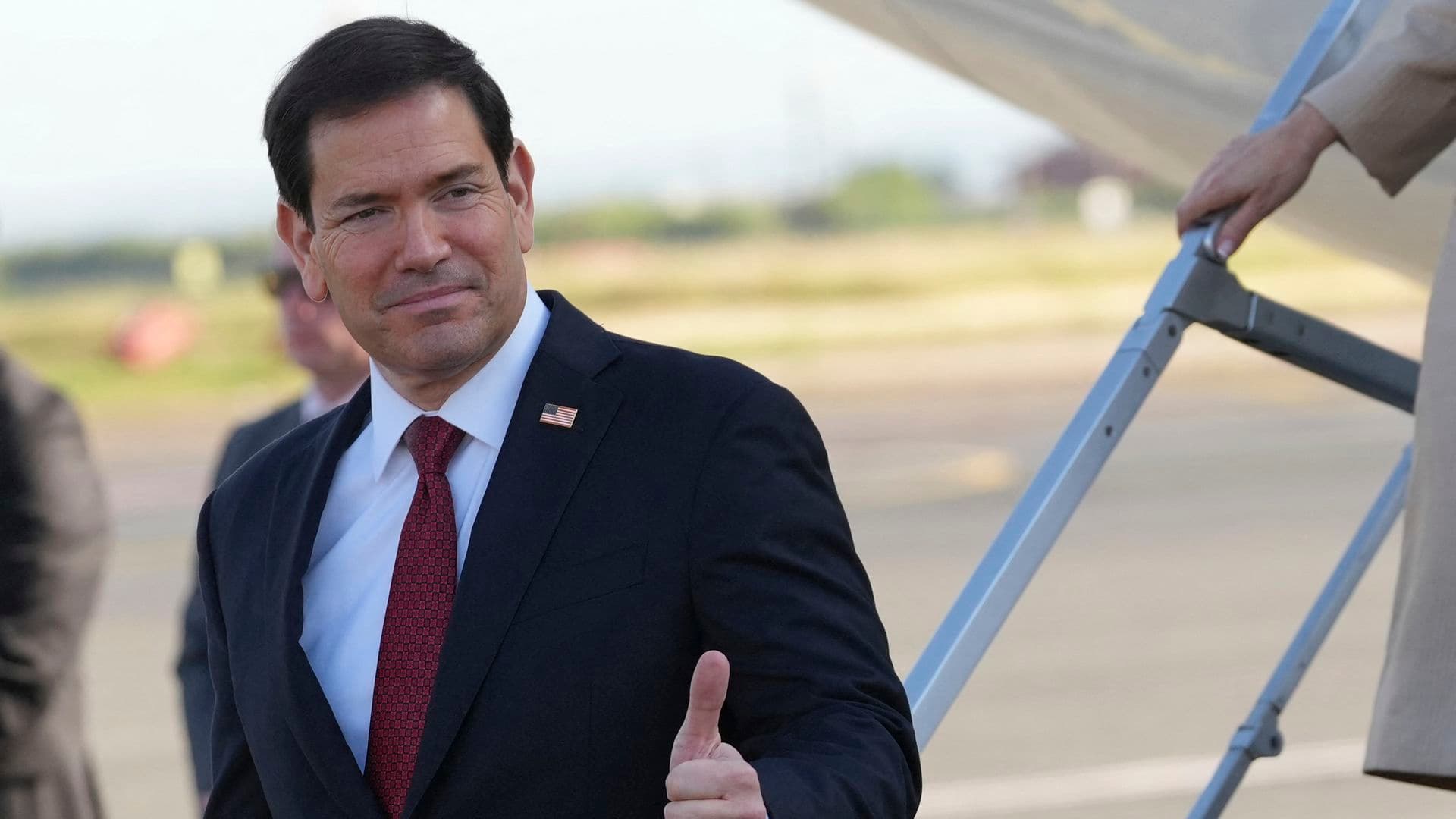
Kentucky brought the same dynamic into higher-profile races. Andy Barr, running with Trump’s backing, won the Republican nomination for the Senate seat being vacated by retiring Mitch McConnell. In the state’s House primary, Ed Gallrein defeated Thomas Massie, ending Massie’s reelection bid after Trump lined up behind the challenger. The pair of wins further tightened Trump’s grip on Kentucky’s GOP, where anti-establishment and Trump-aligned forces have increasingly converged around one question: who can survive a primary dominated by the president’s base?

Louisiana offered a cautionary counterpoint. Bill Cassidy, one of the Senate Republicans who voted to convict Trump in his 2021 impeachment trial, finished third in the state’s GOP primary. That result removed one of Trump’s highest-profile Republican critics from immediate contention and showed how punishing the party’s internal electorate can be for lawmakers who fall out of favor with him.
The broader political picture is less comfortable for Republicans. Trump has issued more than 200 endorsements across Senate, House and state legislative races for 2026, and he continued to shape the field in Texas, where John Cornyn and Ken Paxton were headed to a May 26 runoff. Trump had not made a runoff endorsement as of May 19. Yet Democrats still need only a net gain of four Senate seats to win control, and the midterm environment appears more favorable to them than to Republicans. Trump may be winning the intraparty war, but the 2026 general-election test will determine whether those victories build a stronger GOP or simply a more obedient one.
Know something we missed? Have a correction or additional information?
Submit a Tip