Trump broadens Cuba sanctions, targets security apparatus and foreign backers
Trump's order widens Cuba sanctions to foreign banks and firms, raising the cost for Havana while risking more pain for Cuban households already facing shortages.
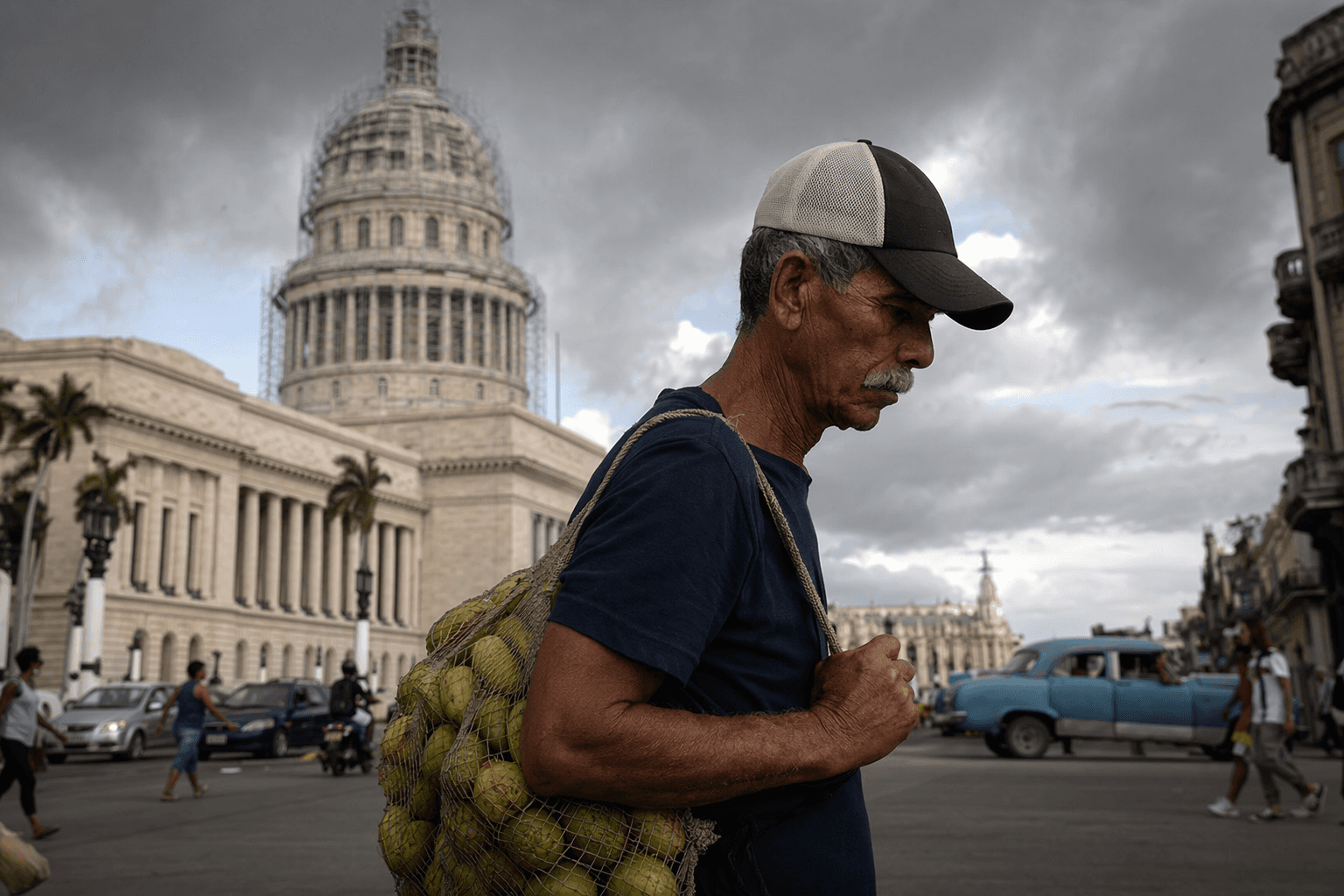
Donald Trump signed an executive order on Friday that widened U.S. sanctions against Cuba and pushed the pressure campaign beyond the island’s borders, adding new exposure for foreign companies, banks and investors tied to Havana’s security state.
The order, announced by the Office of Foreign Assets Control, targets people, entities and affiliates that support Cuba’s security apparatus or are accused of corruption or serious human rights violations. It also reaches foreign persons operating in energy, defense, metals and mining, financial services and security, and it authorizes sanctions on covered persons, entities and financial institutions that conduct or facilitate transactions with sanctioned parties. That secondary-sanctions reach is what makes the move so consequential for outside firms that had tried to treat Cuba as a manageable risk.
Washington presented the action as an escalation under the International Emergency Economic Powers Act and built on the broader framework already in place. The State Department says the United States has maintained a comprehensive economic embargo on Cuba since February 1962, but administration officials are now layering new penalties on top of that long-running policy. Former Treasury sanctions investigator Jeremy Paner called it the most significant step for non-American companies since the embargo began, a warning to oil and gas firms, miners and banks that their Cuba exposure can no longer be assumed to sit outside U.S. reach.
Cuban leaders responded by framing the measure as punishment for ordinary people rather than pressure on the government. President Miguel Diaz-Canel said the sanctions reinforced what Havana calls a blockade, while Foreign Minister Bruno Rodriguez said they amounted to collective punishment and would not intimidate Cubans. He also said the measures were extraterritorial and violated the U.N. Charter. The timing sharpened the political edge: the sanctions were announced as Cuba marked its traditional May Day celebrations, with Raul Castro among those appearing at pro-government gatherings in Havana.
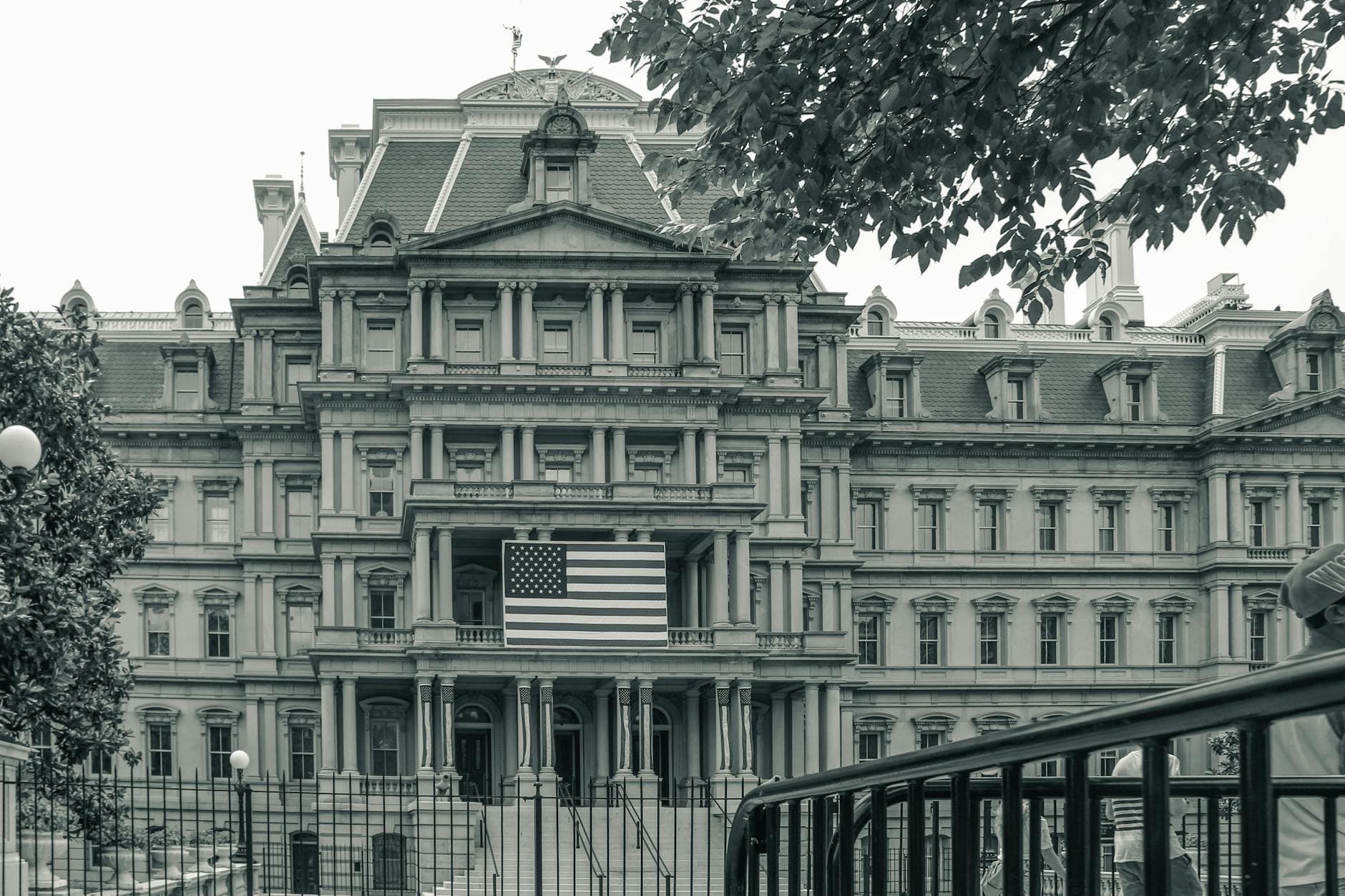
The practical effect is likely to be felt first by the sectors that move money, fuel and goods. Foreign banks, energy firms and mining companies will have to weigh whether any transaction with a Cuban counterpart could trigger penalties, which could make trade channels thinner and remittance-linked financial flows more cumbersome. For Cuban families already navigating shortages, that risk lands before any abstract pressure reaches the ruling circle.
The broader backdrop is already severe. U.N. News reported in April that fuel shortages deepened after Washington moved at the end of January to block oil supplies entering Cuba, while blackouts, food shortages and water problems have fueled unrest on the island. The White House has also tied Cuba to migration and national security concerns, citing more than 850,000 migrants arriving in the United States from Cuba between 2022 and fall 2024, as well as claims about foreign adversary facilities and links to Iran and Hezbollah.
In Florida, where Cuba policy still carries political weight, the move fits a familiar hard-line script. But after decades of embargo and repeated rounds of escalation, the central question remains whether Washington is building toward a measurable change in Havana’s behavior or simply widening the circle of pain around Cuban civilians and the foreign businesses that keep doing business with them.
This article was produced by Prism’s automated news system from verified source data, official records, and press releases, then run through automated quality and moderation checks before publishing. The system is built and supervised by the people who set the standards it runs under. Read our full AI policy.
Did this article answer your question?


