Trump Considers Withdrawing United States From NATO Alliance
Trump declared NATO "beyond reconsideration," calling it a "paper tiger" as allies refused to join his Iran war or send ships to the blocked Strait of Hormuz.

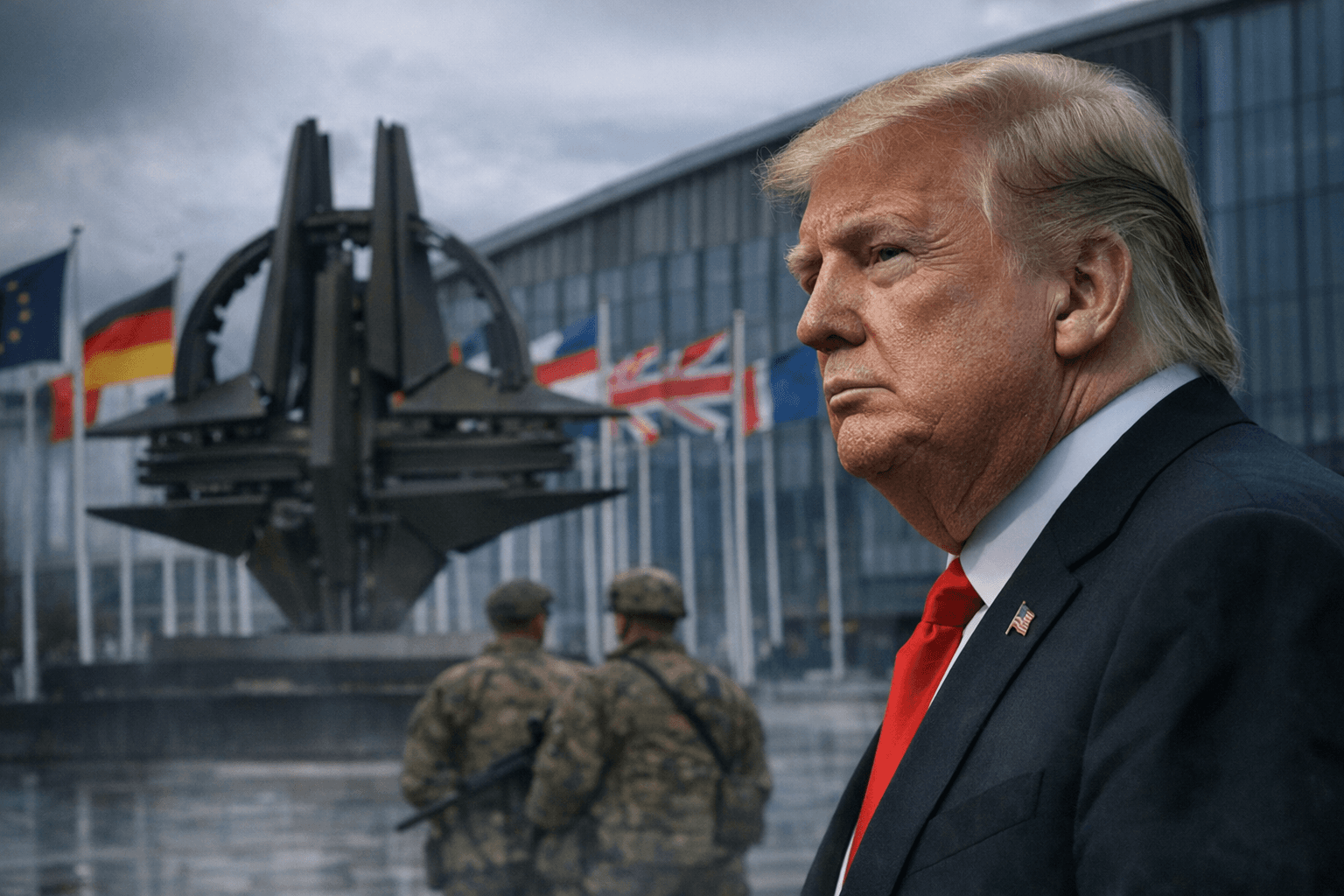
President Donald Trump declared he is "absolutely" considering pulling the United States out of NATO, calling the 76-year-old alliance a "paper tiger" in a pair of interviews published on Wednesday, rattling European capitals and exposing the deepest rift yet between Washington and its traditional allies over the ongoing war with Iran.
"Oh yes, I would say beyond reconsideration," Trump told Britain's Daily Telegraph when asked whether he would reconsider U.S. membership after the Iran conflict. "I was never swayed by NATO. I always knew they were a paper tiger, and Putin knows that too, by the way." He told Reuters separately that he is "absolutely" considering the move.
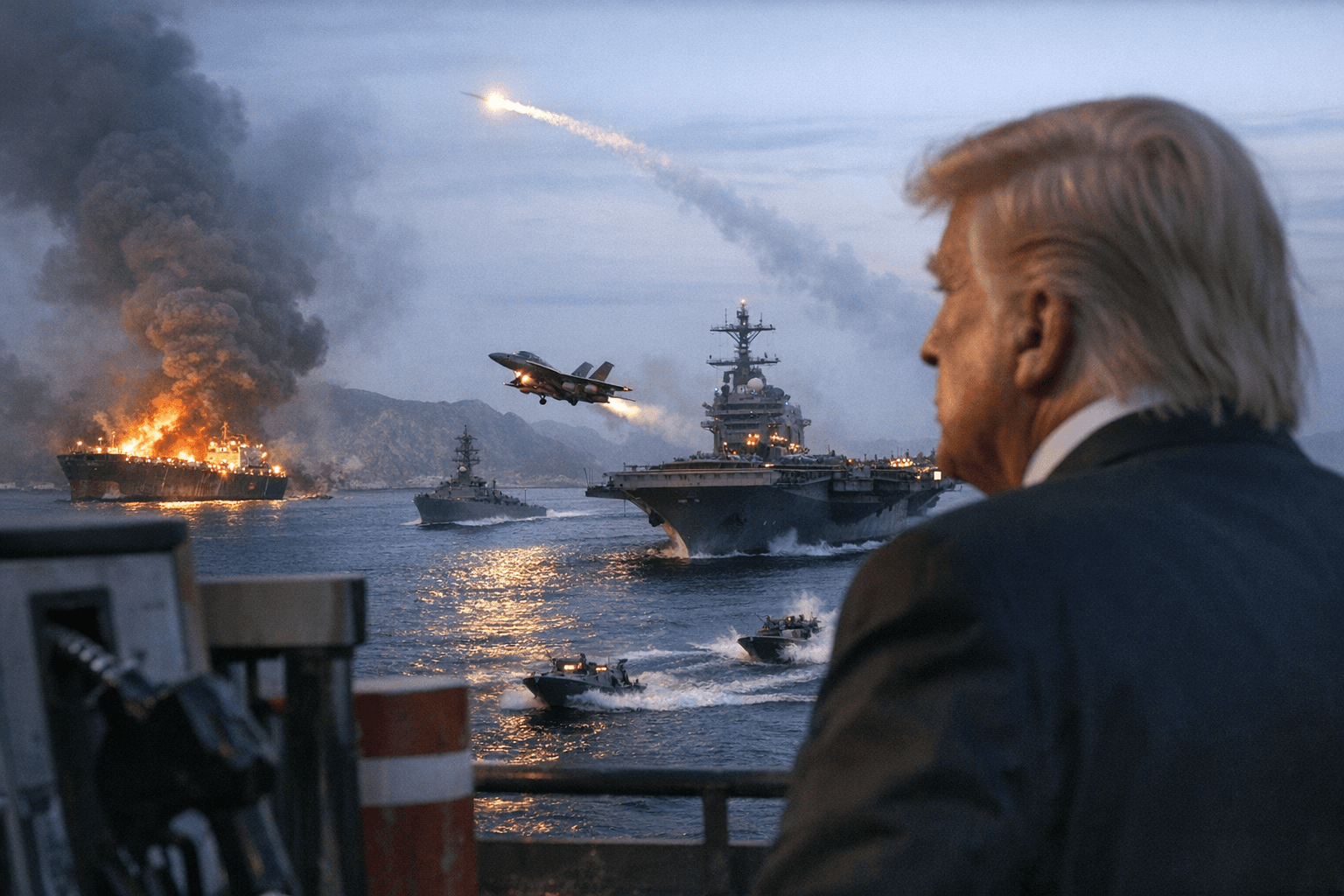
The comments came on the heels of weeks of mounting frustration with European allies who have refused to send warships to help reopen the Strait of Hormuz, the vital trade waterway Iran has blockaded since the U.S. and Israel launched military operations against Tehran on February 28. The strait carries roughly 20 percent of the world's oil supply. In mid-March, Trump warned allies of a "very bad" future if they did not step up to secure it, framing their response as a "test." He said they failed.
France and Italy joined Spain in denying the United States access to their airspace and military bases for operations against Iran, a development Trump described as "very unhelpful." Trump was particularly cutting toward Britain, singling out Prime Minister Keir Starmer: "You don't even have a navy," Trump said, claiming British aircraft carriers "didn't work."
Secretary of State Marco Rubio, himself a former Senate co-architect of legislation protecting the NATO alliance, echoed the president's skepticism, telling Fox News on Tuesday that "unfortunately, we are going to have to reexamine whether or not this alliance, that has served this country well for a while, is still serving that purpose, or is it now become a one-way street." Rubio called the allied response to the Iran war "very disappointing" in a separate interview.
The legal path to withdrawal is far from clear. A 2023 law, signed by President Biden and partially championed in Congress by Rubio himself, bars any president from unilaterally withdrawing from NATO without either the advice and consent of the Senate or an act of Congress. Whether Trump could circumvent that statute remains an open legal question, with at least one political analyst suggesting the president could effectively make the U.S. "quit NATO in all but name" without formally exiting.
European leaders pushed back sharply. Polish Defense Minister Władysław Kosiniak-Kamysz posted on X that NATO is "the most successful military alliance in modern history," adding that Trump's threat is "reckless, dangerous, and plays directly into the hands of our adversaries." Starmer, at a London press conference, called NATO "the single most effective military alliance the world has ever seen" and said Britain would not "get dragged into" the Iran war, while reaffirming the U.K. remains "fully committed" to the alliance.
Whether Trump's statements represent a firm policy shift or a negotiating tactic designed to coerce greater allied burden-sharing, as similar threats have appeared in the past, remains uncertain. What is no longer uncertain is the scale of the break: no European nation has directly backed U.S. military action against Iran, and Trump has made clear he regards that silence as a fundamental betrayal of the alliance's premise.
Sources:
Know something we missed? Have a correction or additional information?
Submit a Tip