Trump disclosure shows hundreds of millions in stock trades, Trump Organization says outside firms handle them
Trump’s filings showed at least $220 million in trades, with some companies later touched by administration actions. The Trump Organization says outside firms, not the family, handled them.
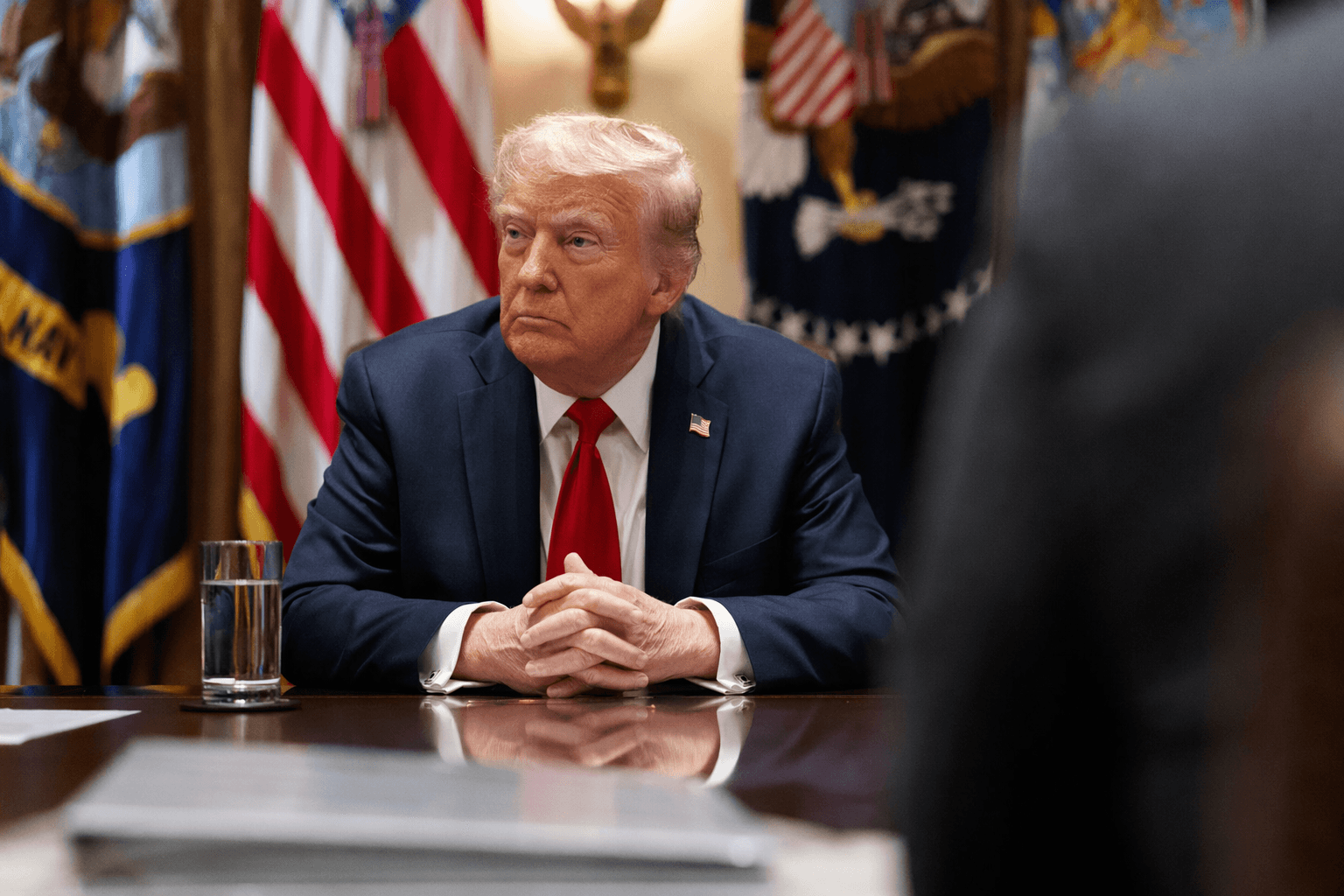
New federal disclosures showed Donald Trump reported at least $220 million in financial transactions in the first three months of 2026, with the total potentially reaching about $750 million because the forms use broad value bands instead of exact figures. The filings, released by the U.S. Office of Government Ethics on May 14-15, showed more than 3,600 securities transactions and renewed scrutiny of whether a president can actively trade while overseeing policy that may affect the same companies.
The reports included purchases and sales in Nvidia, Microsoft, Amazon, Meta, Oracle, Broadcom, Apple, Adobe, Dell, Motorola, Texas Instruments, ServiceNow, Bank of America and Goldman Sachs, along with municipal-bond trades. The documents did not disclose exact prices, profits or, in every case, even the type of security. They also did not identify which accounts were used or who placed the trades, leaving a basic accountability gap at the center of the disclosure.
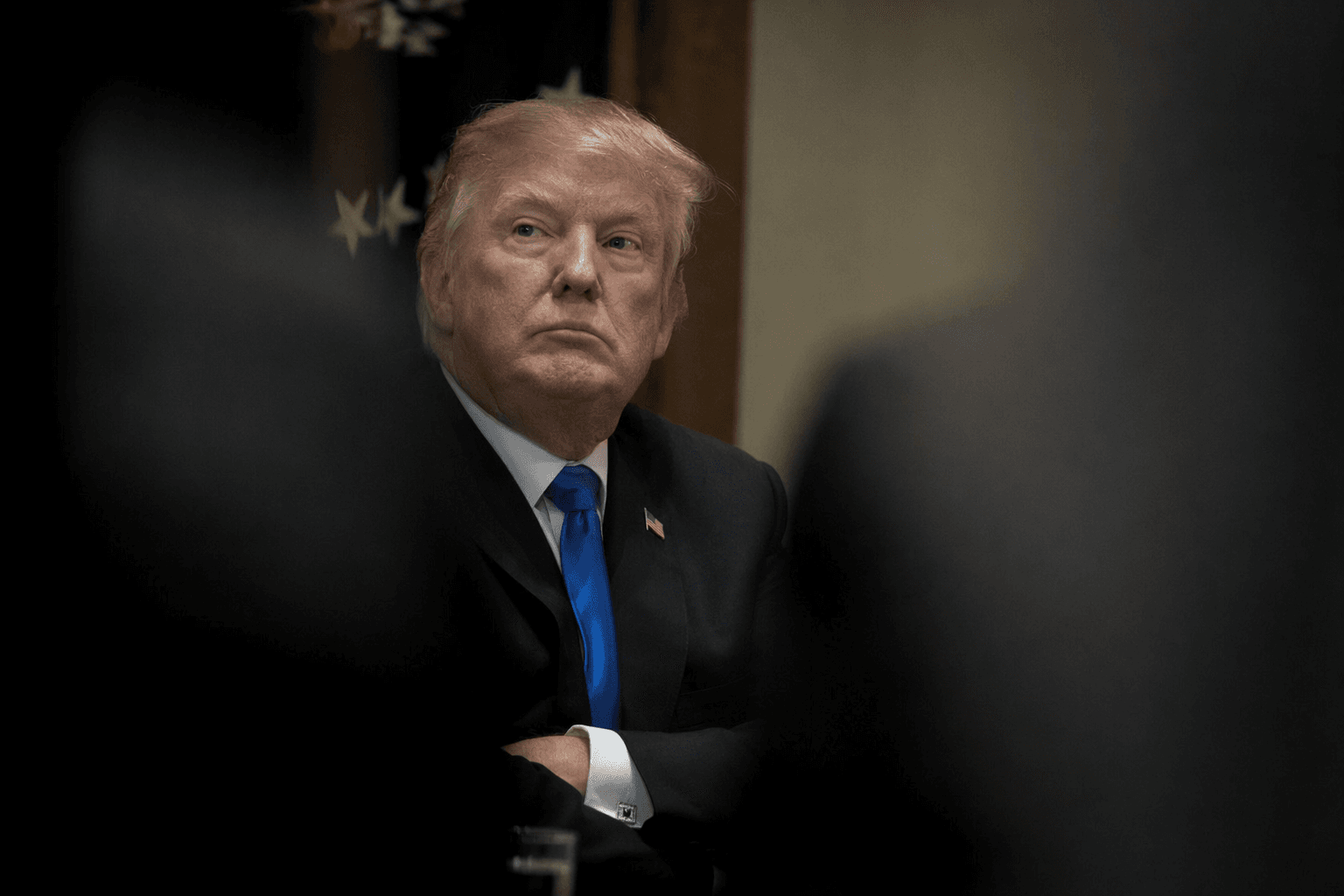
The Trump Organization responded by saying the investments are held in fully discretionary accounts managed by third-party financial institutions, with trades executed through automated systems. It said neither Trump, his family nor the organization takes part in selecting, directing or approving individual investments, and that it receives no advance notice of trading activity. The White House said Trump’s assets are held in a trust managed by his children and that there are no conflicts of interest. Eric Trump also rejected the idea that a Trump family member picks individual stock trades.
The disclosures drew the most attention where timing appeared to overlap with administration action. Reporting highlighted Nvidia purchases that came before a later chip-related deal announcement and before Commerce Department approval for some Nvidia chip sales to China. Other scrutiny focused on Palantir-related trades amid a $1 billion Department of Homeland Security agreement. The filings did not prove that policy decisions were made to benefit the portfolio, but they revived the central conflict-of-interest concern: a president can influence the fortunes of companies while also trading in them.
Under disclosure rules, presidents must report stock transactions above $1,000 within 45 days. Trump was also assessed a $200 late fee for missing a deadline on some filings. A broader annual financial disclosure, which is expected to show other business assets and income including golf resorts and crypto ventures, is due in the coming months.
The scale of the trading stood out because recent presidents have generally avoided active stock trading in office, often using blind trusts, index funds or divestment to limit ethics risks. By that standard, Trump’s arrangement would likely face the same question any president would face: whether a trust managed by family members and outside firms is enough when the president’s decisions can touch the same companies appearing in the portfolio.
Know something we missed? Have a correction or additional information?
Submit a Tip