Trump extends Iran ceasefire, giving Pakistan-led diplomacy more time
Trump pushed the Iran deadline back again, but kept the port blockade in place. Pakistan now has a bigger role, and the next test is whether Tehran answers with a unified proposal.
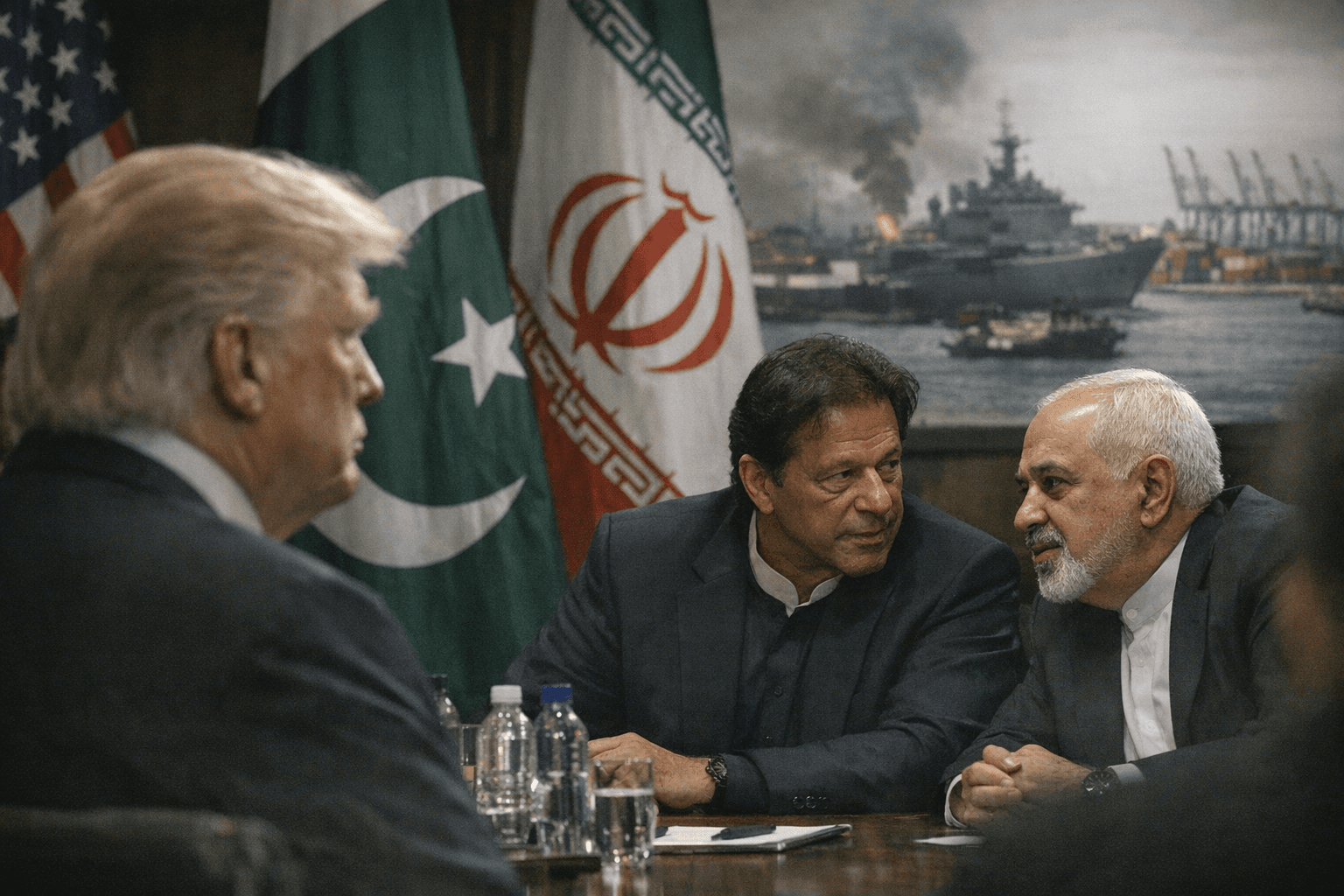
The ceasefire with Iran bought more time on the ground, but it did not ease the pressure. Donald Trump extended the truce until Iranian leaders and representatives could come up with a “unified proposal,” while U.S. forces kept blocking Iranian ports and remained “ready and able.” The pause also left Vice President JD Vance’s planned trip to Pakistan on hold, a sign that the next phase of talks is still unsettled even as the current deadline had been set to expire Wednesday, April 22.
Trump said the delay came at the request of Pakistan’s Field Marshal Asim Munir and Prime Minister Shehbaz Sharif, putting Islamabad at the center of a diplomatic track that is now being watched far beyond South Asia. Regional officials said new ceasefire talks were expected in Islamabad, giving Pakistan a larger role as mediator while the United States and Iran try to keep negotiations from collapsing into another round of strikes. The latest pause came with no formal Iranian response by late Tuesday.
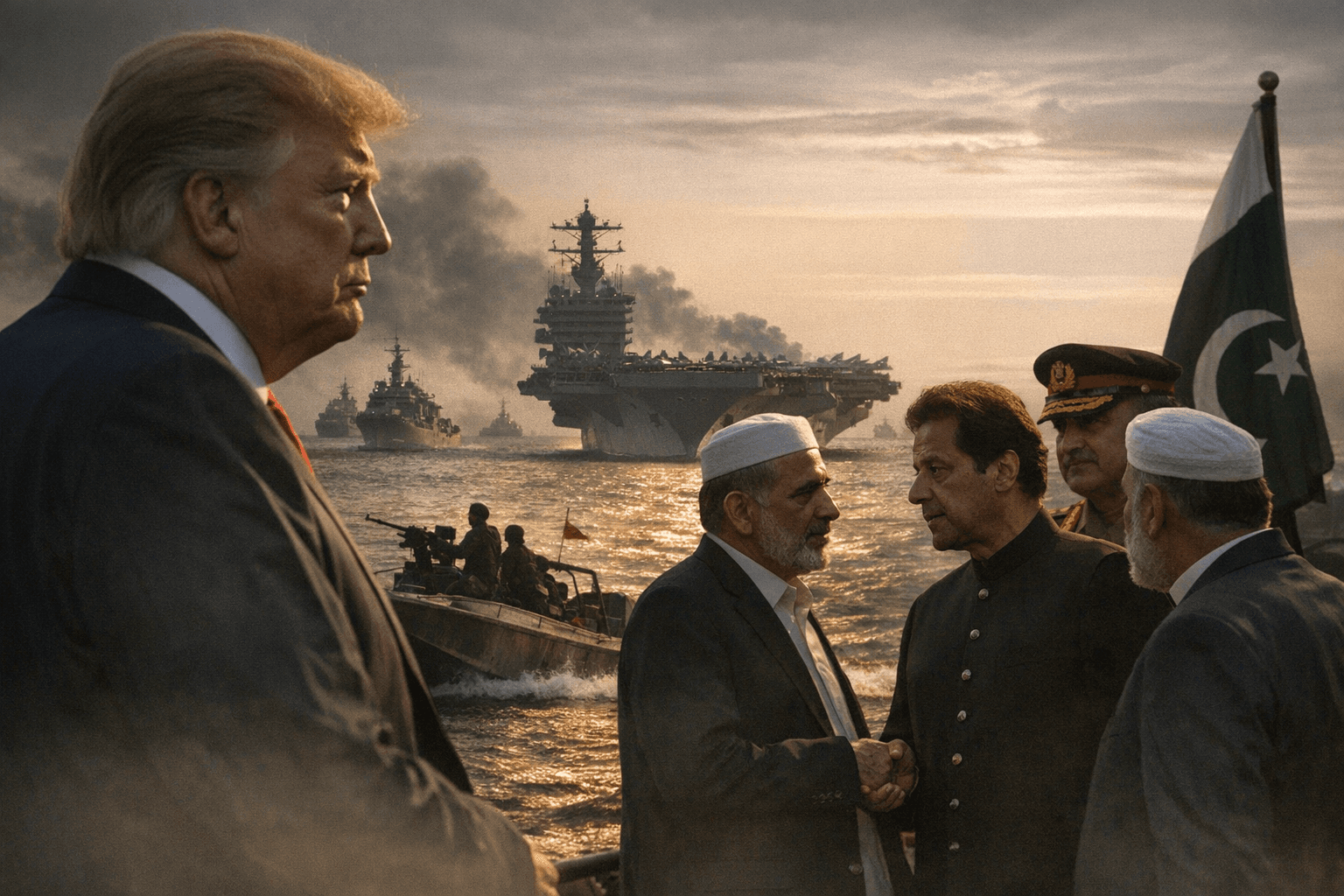
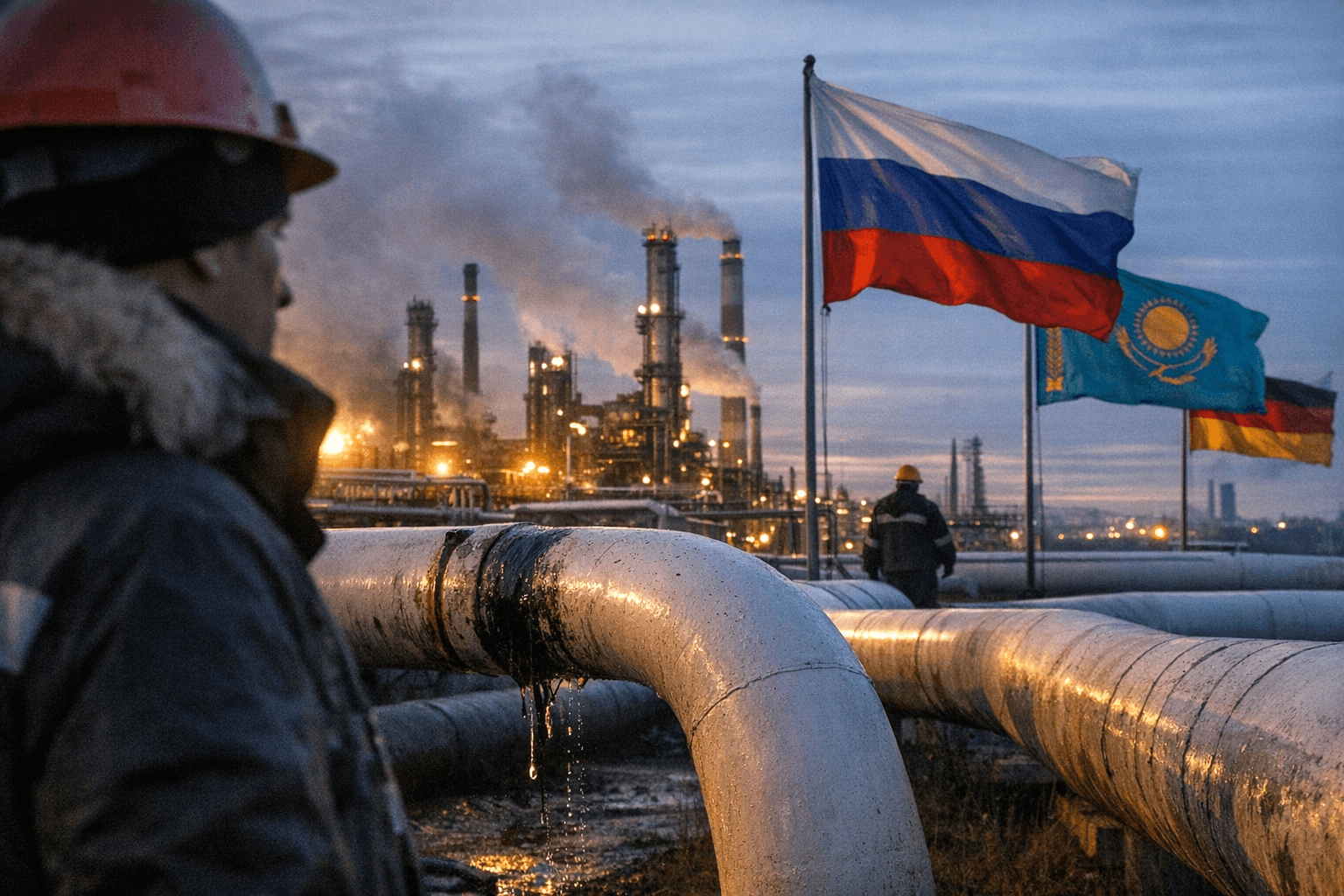
The decision marked the second time in as many weeks that Trump stepped back from an escalation he had threatened. Earlier in April, he agreed to a two-week ceasefire less than two hours before a strike deadline, after Sharif urged him to give diplomacy more time. That earlier arrangement was tied to Tehran reopening the Strait of Hormuz, the narrow waterway that normally carries about one-fifth of the world’s oil, and the stoppage sent oil prices sharply higher. Trump’s choice to extend the truce again suggests he is using time as leverage, but it also keeps open the possibility that the military option is still live.
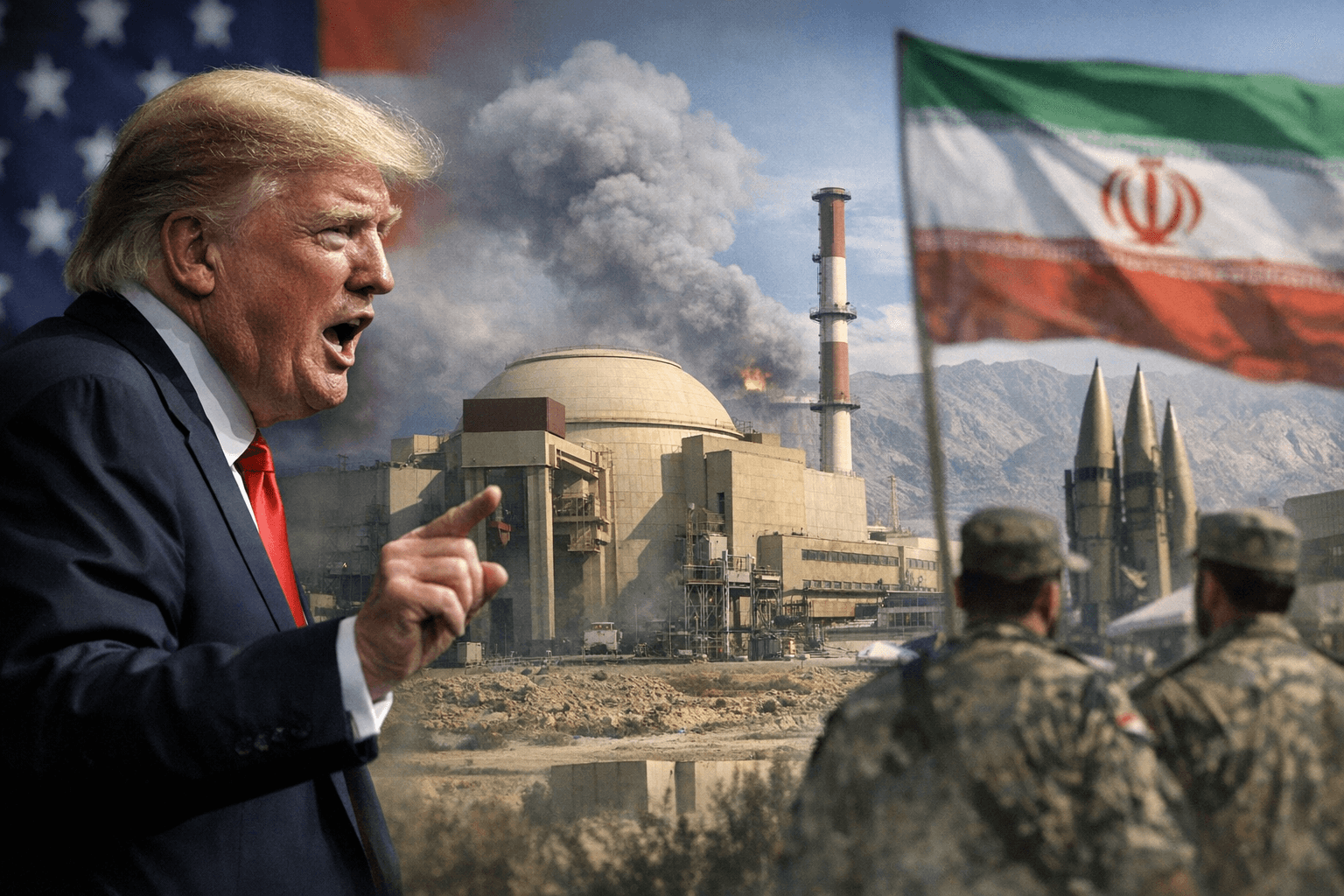
Iran’s response underscored how fragile that strategy remains. Foreign Minister Abbas Araghchi called the U.S. blockade an act of war and a violation of the ceasefire, while Mahdi Mohammadi, an aide to Iran’s top negotiator, accused Trump of using the extension as a ploy to buy time for a surprise strike. Trump, for his part, has made clear that he wants a better deal than the 2015 international nuclear agreement and believes the United States is in a strong bargaining position as the war approaches the two-month mark. The next benchmark is straightforward: whether Tehran can produce a unified proposal before the pause becomes another prelude to escalation.
Know something we missed? Have a correction or additional information?
Submit a Tip