Trump meets advisers as US, Iran edge toward ceasefire framework
Trump was weighing a 60-day ceasefire extension with Iran that could reopen Hormuz shipping and launch nuclear talks, but the deal still needed his approval.
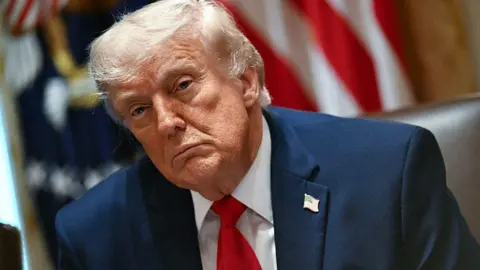
Donald Trump faced a narrow, high-stakes choice in the White House Situation Room: whether to approve a framework that would extend the fragile U.S.-Iran ceasefire for 60 days, reopen shipping through the Strait of Hormuz, and launch another round of nuclear talks.
The proposed memorandum of understanding, reported by multiple outlets on May 28 and 29, would not have ended the broader confrontation. It would have paused it, with the understanding that the United States and Iran would keep negotiating over Iran’s nuclear program while easing the immediate risk to one of the world’s most important energy corridors. The arrangement still needed Trump’s approval, and Iranian officials had not fully confirmed finalization of the deal.
Vice President JD Vance said the two sides were “very close” to an agreement but “not there yet,” underscoring how much remained unresolved. The most sensitive questions centered on what Iran would commit to on nuclear limits, whether Washington would lift some sanctions or other restrictions, and exactly how shipping through the Strait of Hormuz would be restored.
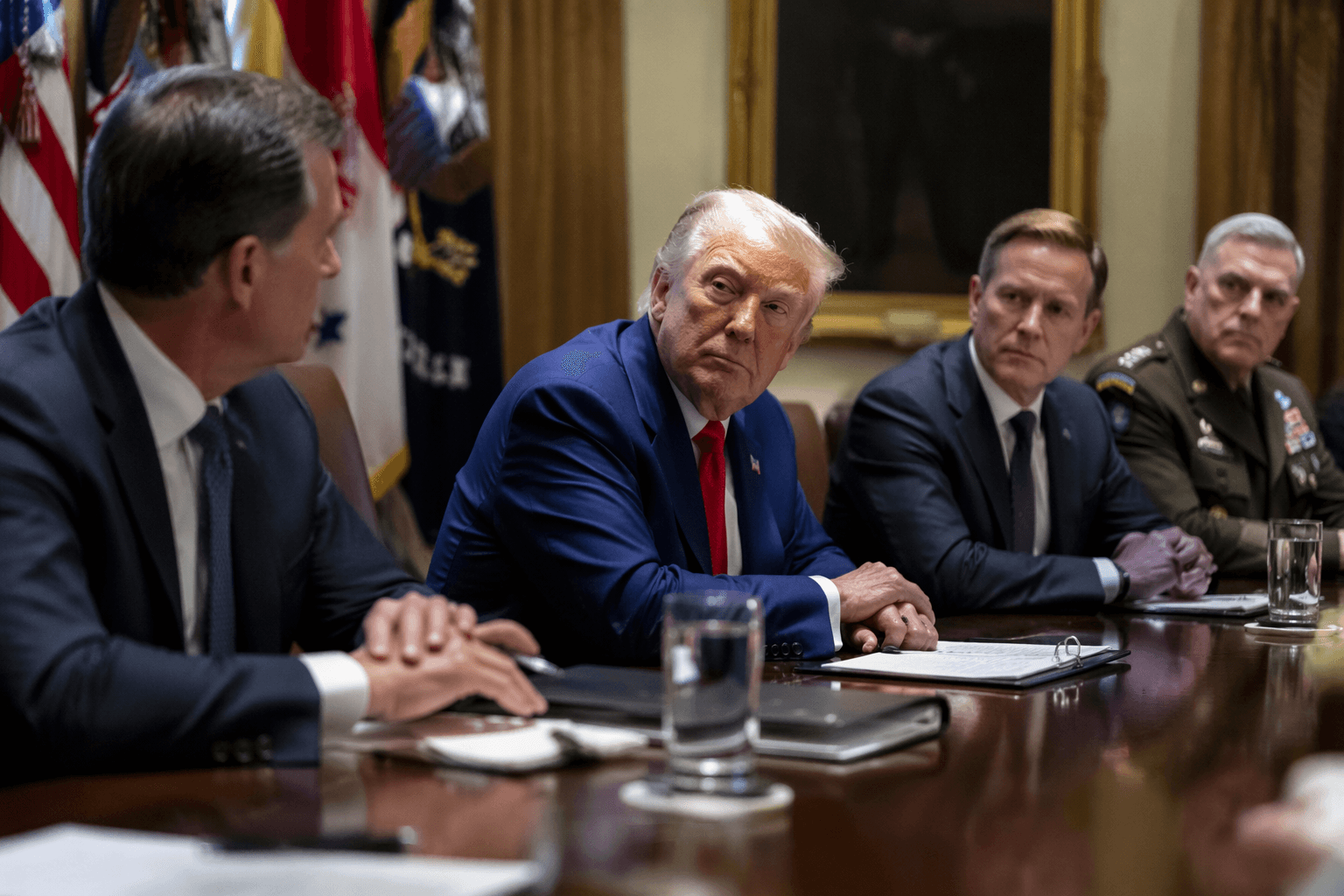
Trump said he would hold a Situation Room meeting to make a “final determination,” then spent roughly two hours with advisers before leaving without announcing a decision. The gathering included senior officials in Washington, D.C., as the administration weighed whether to lock in a temporary diplomatic opening or risk a collapse that could send the confrontation back toward military escalation.

The talks unfolded against a fragile ceasefire that had already been punctuated by exchanges of fire and strikes, and that instability has already rippled through global energy markets. A reopening of the Strait of Hormuz would matter far beyond the region, since the waterway is a critical route for oil shipments and any disruption can quickly drive up prices and deepen fears of a broader regional conflict.
If Trump approves the framework, it would give Washington and Tehran a short window to test whether a ceasefire can become something more durable. If he rejects it, the region could slide back into the cycle of strikes, retaliation and market shock that the agreement is trying to interrupt.
This article was produced by Prism’s automated news system from verified source data, official records, and press releases, then run through automated quality and moderation checks before publishing. The system is built and supervised by the people who set the standards it runs under. Read our full AI policy.
Know something we missed? Have a correction or additional information?
Submit a Tip