Trump praises Turkey, signals possible F-35 deal at NATO summit
Trump praised Erdogan and floated Turkey’s return to the F-35 program, even as NATO leaders tried to project unity on Article 5, Ukraine and spending.

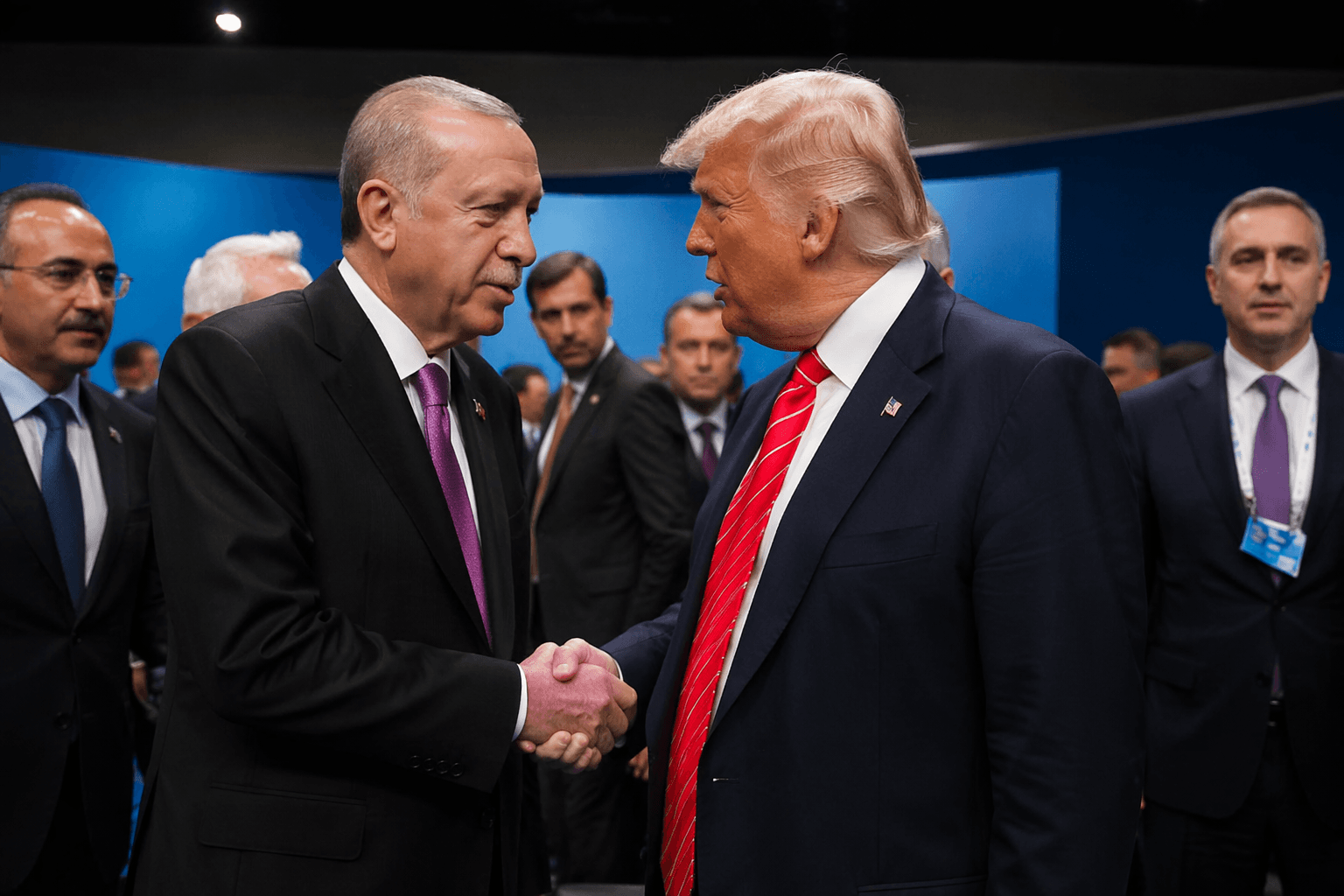
Donald Trump used his closing news conference in Ankara to praise Recep Tayyip Erdogan and suggest Turkey could be allowed back into the F-35 fighter jet program, putting a sharp personal edge on a summit NATO had staged to project discipline and unity. Trump said he had a better relationship with Turkey than with some other NATO countries and called Erdogan a strong friend, even as he complained about allies he viewed as less loyal.
The remarks exposed the tension running through the two-day meeting on July 7 and 8, where NATO allies were expected to reaffirm an “ironclad commitment” to collective defense under Article 5 and back a new push toward 5% of GDP for defense by 2035. NATO ambassadors approved a draft declaration pledging €70 billion, about $80 billion, in military assistance to Ukraine in 2026 and at least equivalent support in 2027, while the alliance also said members would announce tens of billions in new contracts.
Trump’s comments carried immediate policy weight for Turkey. Ankara is barred under U.S. law from the F-35 program while it retains Russian-made air defenses, and any reversal would signal that Washington is still willing to trade defense access for geopolitical leverage. For Erdogan, the prospect of renewed access to advanced U.S. hardware would strengthen Turkey’s position inside the alliance and in its broader arms diplomacy. For other allies, it underscored how quickly Trump’s favor could become a bargaining tool, especially after he renewed complaints about Greenland and about NATO members he said had not done enough to help the U.S. on Iran.
Mark Rutte said European allies and Canada were already investing around 4% of GDP in defense and security, a figure meant to show momentum toward the 2035 target set at last year’s Hague summit. The summit text also cast Russia as a long-term threat to Euro-Atlantic security and stability and pressed allies to build stronger armed forces, expand defense production and add more capabilities.
Turkey turned the summit into a major security operation, deploying tens of thousands of police, putting air defenses on high alert and banning public gatherings. It was only the country’s second NATO summit, after Istanbul in 2004, and officials framed the gathering as a chance to narrow a transatlantic rift that former Turkish ambassador to NATO Fatih Ceylan said could be eased, if not magically solved.
This article was produced by Prism’s automated news system from verified source data, official records, and press releases, then run through automated quality and moderation checks before publishing. The system is built and supervised by the people who set the standards it runs under. Read our full AI policy.
Did this article answer your question?