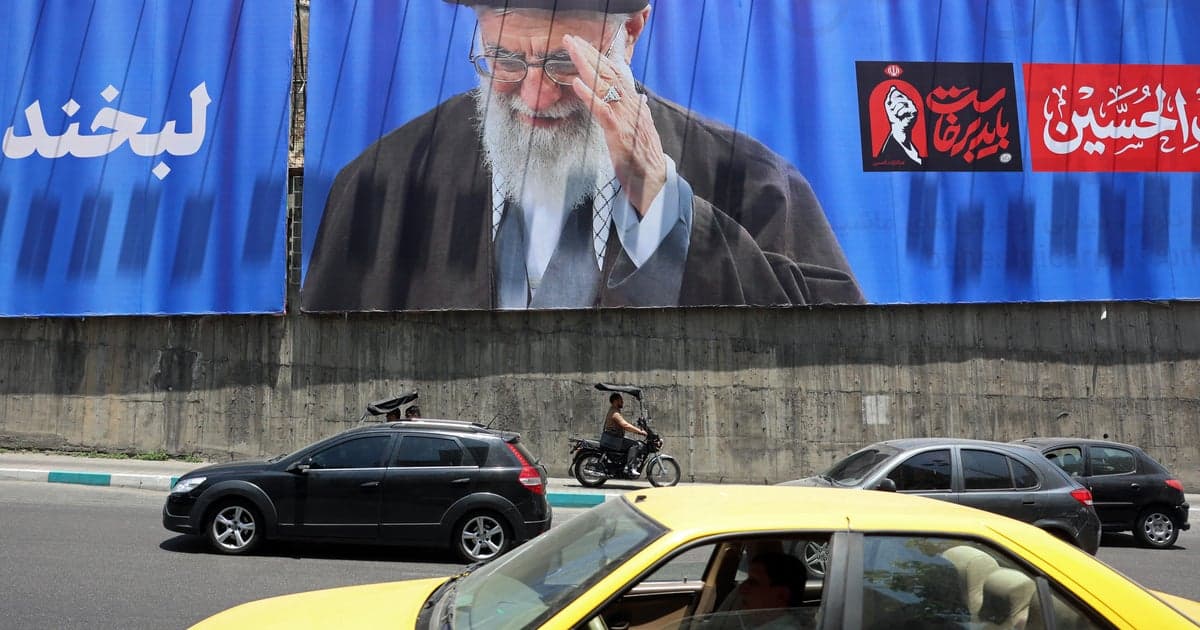
Trump reviews Iran’s 14-point peace proposal amid skepticism from White House
Iran sent a 14-point counterproposal through Pakistan, but Trump said he could not imagine accepting it as the White House fast-tracked $8.6 billion in arms sales.
Iran’s latest 14-point proposal reads less like a simple ceasefire offer than a bid to redraw the terms of the war itself. Sent through Pakistani mediators on May 1, the counterproposal responded to a nine-point U.S. plan and pressed for guarantees of non-aggression, the lifting of a naval blockade, a new framework for the Strait of Hormuz, and an end to the war “on all fronts,” including Lebanon.
That package contains both concessions and hard-edged demands. The substantive part is the promise of non-aggression and a path toward stopping maritime attacks and wider regional fighting. The political red lines are clearer elsewhere: Tehran is not just asking for a pause in combat, but for a settlement that reaches beyond Iran’s borders, into Lebanon and the strategic shipping lane at Hormuz. Associated Press reporting said Iran was pressing for an end to the war within 30 days, framing the proposal as an effort to terminate the conflict rather than simply extend a ceasefire.
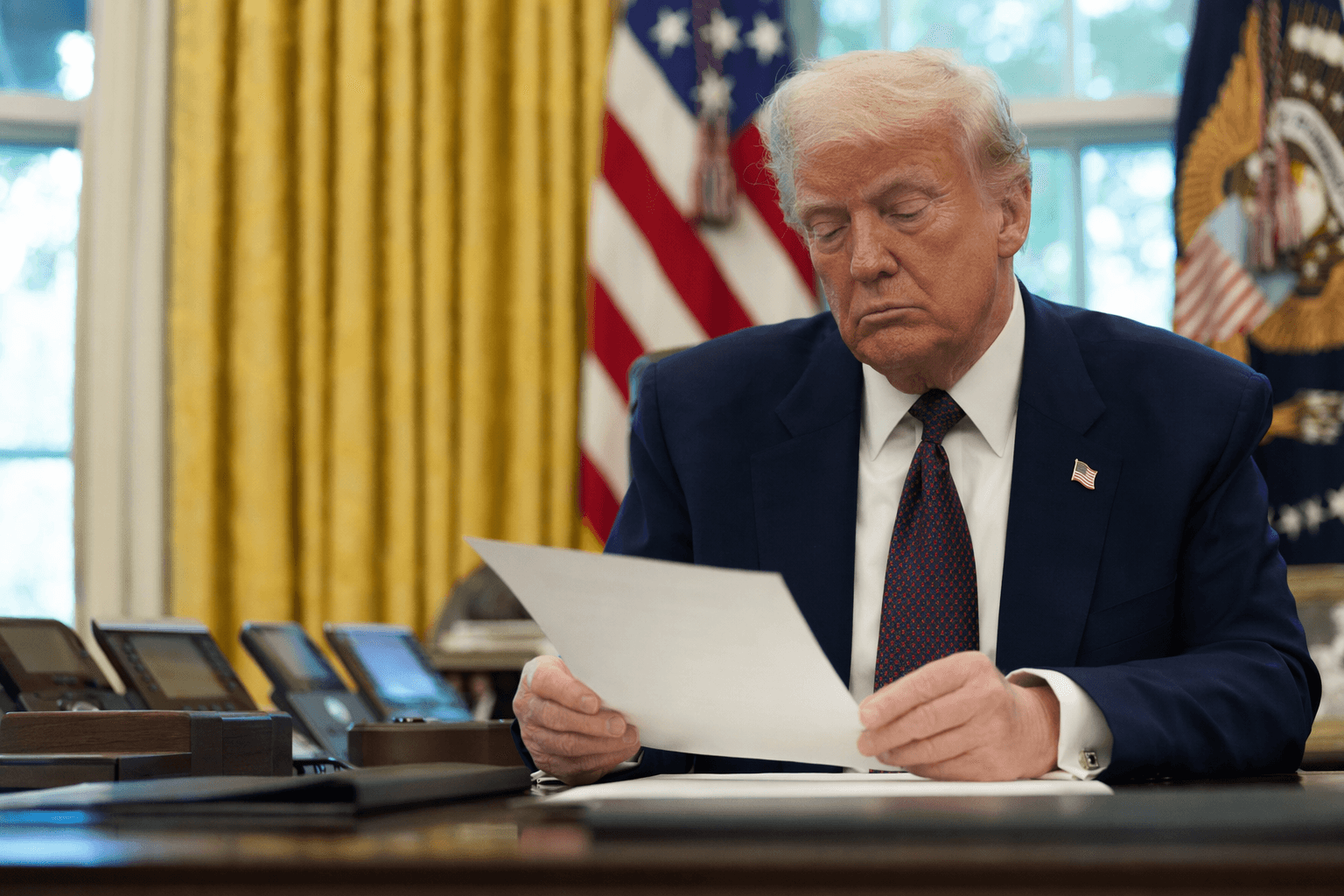
Trump said on Saturday that he was reviewing the plan, but added that he could not imagine it would be acceptable. Later reporting said he had only been briefed on the “concept of the deal” and was waiting for the exact wording, a sign that Washington was not yet treating the proposal as a serious breakthrough. U.S. officials were also signaling they were not ready to embrace it, even as Trump warned that strikes on Iran could resume if Tehran “misbehaves.”
The timing sharpened the stakes. Negotiations had already stalled in late April over Iran’s nuclear future, while the Strait of Hormuz remained mostly shut without a deal. That means Tehran’s proposal is not being judged only as a diplomatic off-ramp, but as part of a broader bargain over nuclear limits, shipping security and regional force posture. In plain terms, Washington must decide whether to accept a wider regional settlement or keep insisting that nuclear constraints come first.

At the same time, the Trump administration moved to shore up regional partners. On May 1, it approved more than $8.6 billion in arms sales to Israel, Qatar, Kuwait and the United Arab Emirates, bypassing congressional review under emergency procedures, according to the State Department. Separate reporting says the United States already has more than $130 billion in bilateral assistance to Israel since 1948 and more than $129 billion in active government-to-government sales cases with Saudi Arabia, underscoring how deeply the military balance in the region is tied to the diplomacy.
Iranian officials and media have cast renewed war with the United States and Israel as likely, and Tehran’s parliament is reportedly preparing a law to restrict passage through Hormuz, with Israeli vessels barred and ships from “hostile countries” required to pay war reparations for permits. That mix of bargaining and pressure suggests Tehran’s proposal is meant as both an opening and a warning: accept a broader settlement, or face another round of coercion in one of the world’s most dangerous chokepoints.
This article was produced by Prism’s automated news system from verified source data, official records, and press releases, then run through automated quality and moderation checks before publishing. The system is built and supervised by the people who set the standards it runs under. Read our full AI policy.
Did this article answer your question?