Trump says he wants to send more troops to Poland after cancellation
Trump reversed course and said the U.S. would send 5,000 more troops to Poland, a shift that again jolted NATO allies already braced by a prior cancellation.
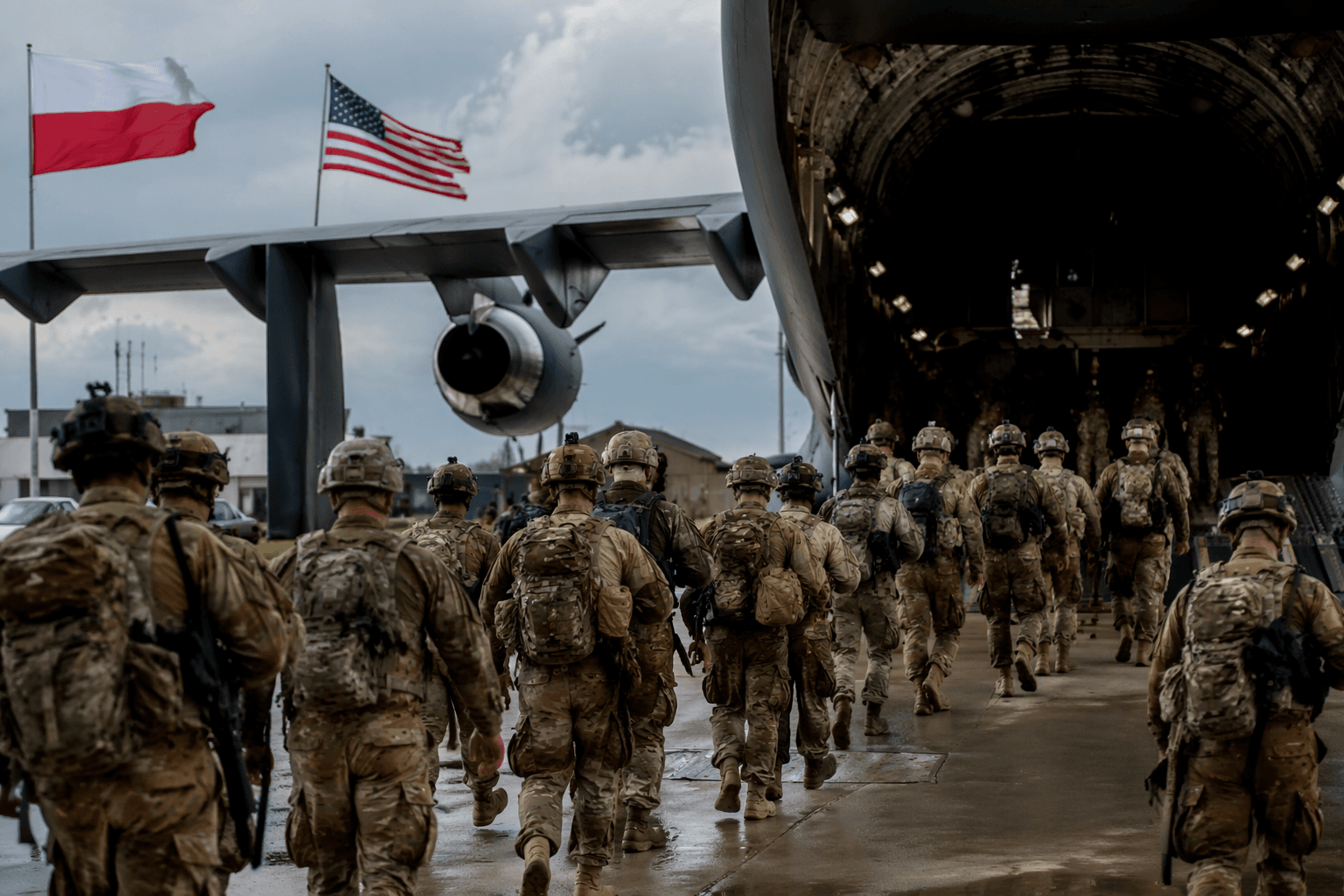
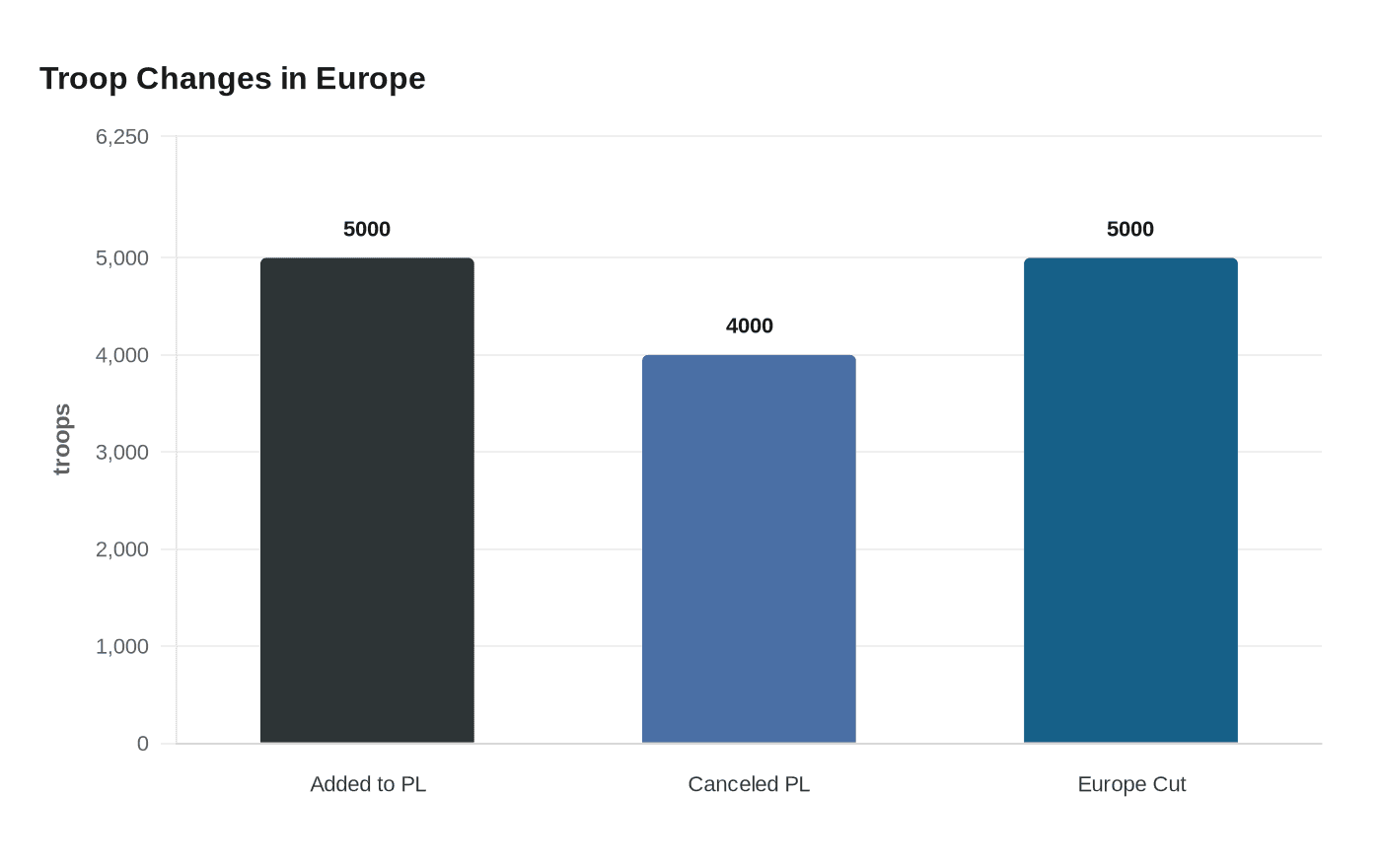
Trump’s pledge to send 5,000 additional troops to Poland landed as another sharp turn in a week of U.S. policy whiplash, deepening doubts in Europe about how firmly Washington intends to stand behind NATO’s eastern flank. The new commitment followed the Pentagon’s cancellation of a planned deployment of about 4,000 U.S. troops to Poland, a move that had already unnerved Polish officials and drawn criticism from lawmakers.
The reversal came as Marco Rubio met NATO foreign ministers in Helsingborg, Sweden, where he and NATO Secretary General Mark Rutte discussed defense spending, the alliance’s upcoming summit in Ankara, and efforts to expand transatlantic defense production. Rubio said NATO “has to be good for all those involved,” while also pressing allies to keep up spending and address U.S. frustrations with some partners. The talks took place against the backdrop of tensions over the Iran war and broader uncertainty about the size and direction of the U.S. military footprint in Europe.
For Poland, the stakes were immediate. The earlier cancellation had been read in Warsaw as a sign of drift at a moment when Russia’s war in Ukraine still hangs over the region and NATO’s credibility on its eastern edge matters most. U.S. officials had also said the administration was reducing force levels in Europe by about 5,000 troops overall, compounding concern that the pullback in Poland was part of a wider retrenchment rather than a one-off adjustment. The abrupt reversal suggested not clarity, but a policy process still moving under pressure.
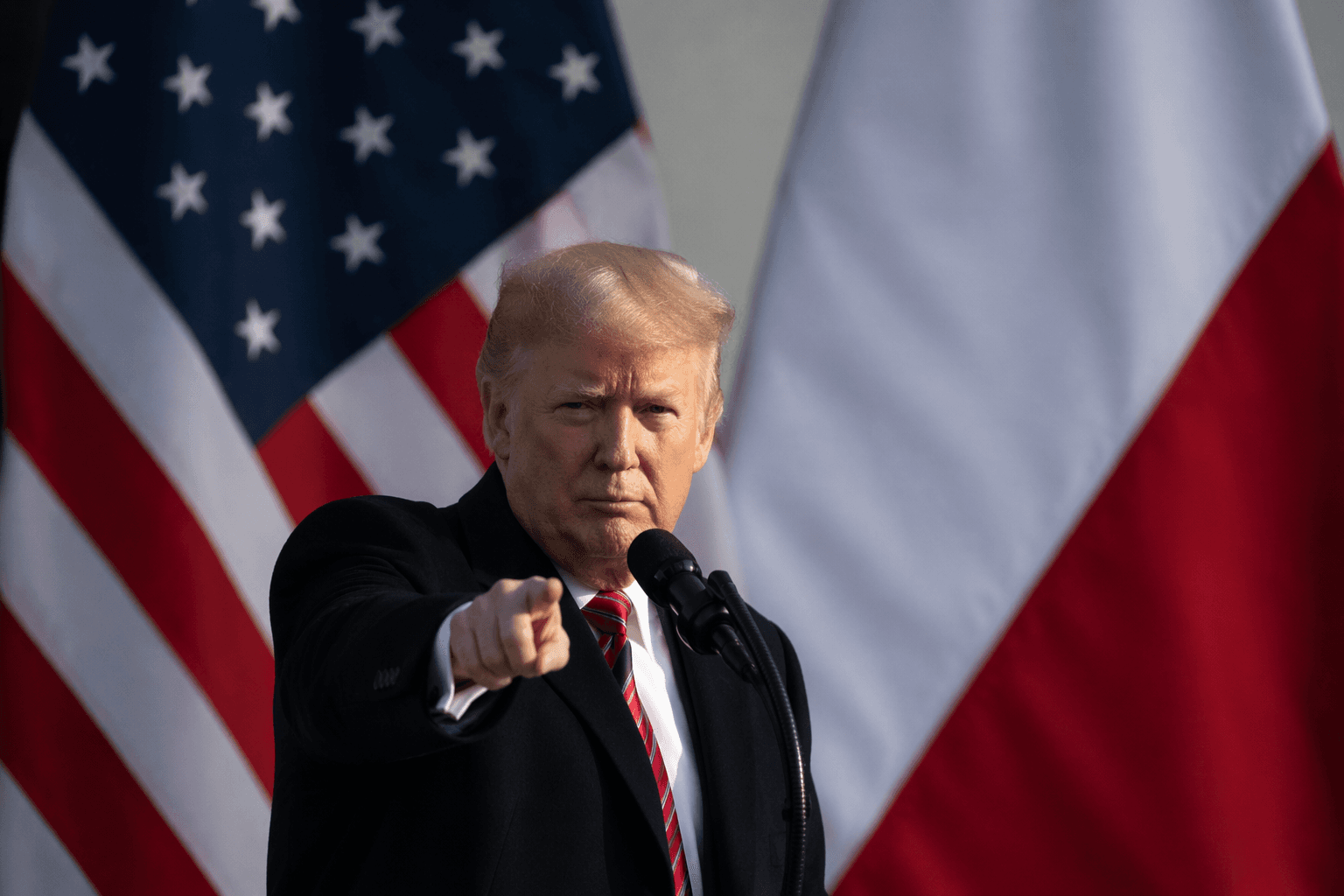
Rutte publicly welcomed Trump’s new announcement, and Polish President Karol Nawrocki thanked Trump for increasing the U.S. military presence in Poland. Nawrocki said strong alliances rest on “cooperation, mutual respect, and shared security.” Trump linked the decision in part to his relationship with Nawrocki, signaling that personal ties, not just formal alliance planning, were shaping the message sent to NATO partners.
The sequence mattered as much as the numbers. A canceled 4,000-troop deployment, a separate 5,000-troop reduction across Europe, and then a promise of 5,000 more troops to Poland left allies trying to infer strategy from reversals. For frontline states like Poland, the diplomacy in Sweden may have sounded reassuring in public, but the repeated changes carried a less comforting signal: U.S. commitments in Europe can still shift quickly, even as the war in Ukraine grinds on.
Know something we missed? Have a correction or additional information?
Submit a Tip