Trump says Iran peace deal could come this weekend, talks stall
Trump said a deal with Iran could land as soon as this weekend, but Tehran said no final decision had been made as strikes, sanctions and Hormuz tensions kept the talks stalled.
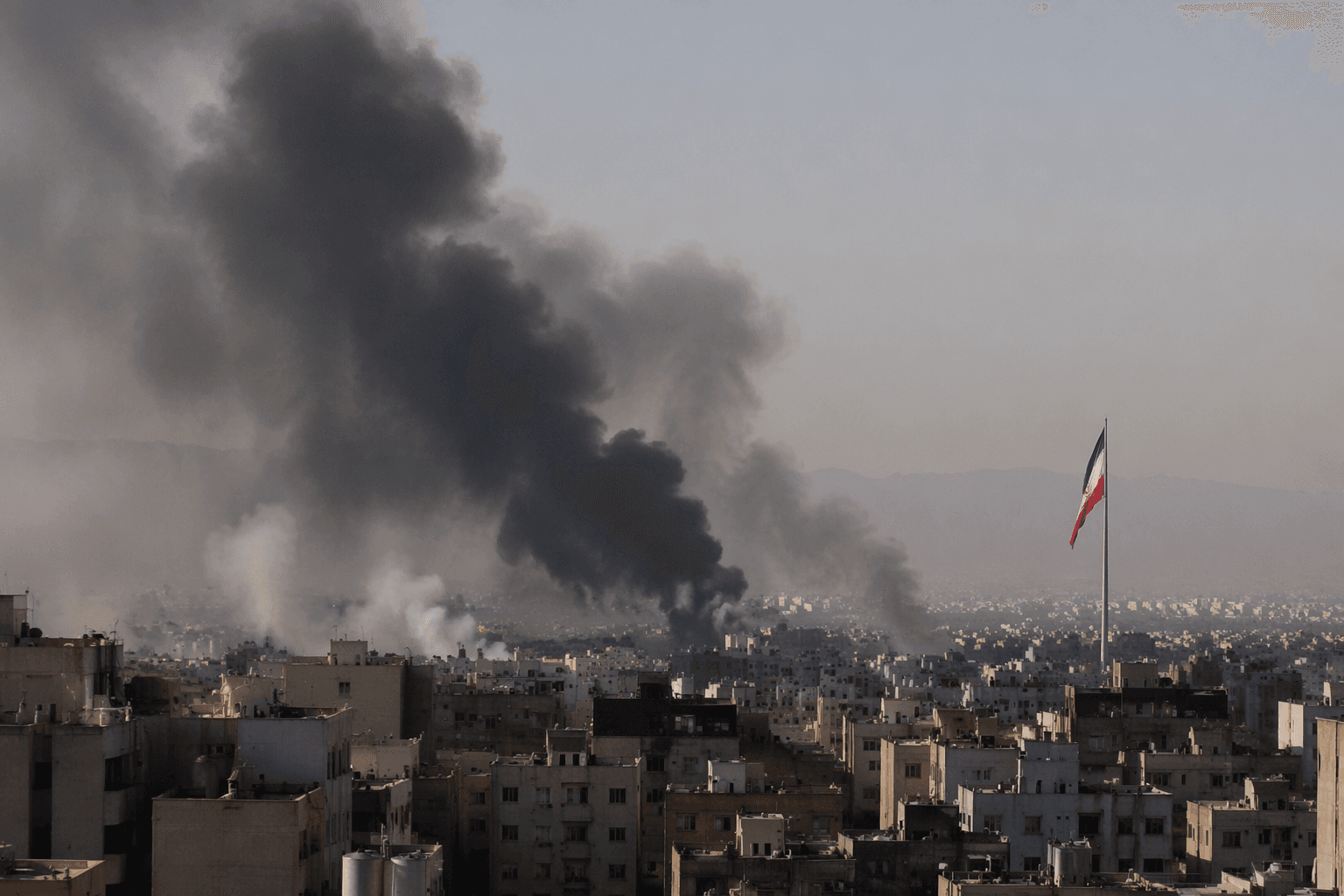
Donald Trump said a U.S.-Iran peace deal could be signed as soon as this weekend, possibly in Europe, and could reopen the Strait of Hormuz to shipping. But Iranian officials said no final decision had been reached and that Tehran would not compromise on its red lines, underscoring how little ground the two sides have covered after weeks of talks.
The latest turn came after Trump called off planned military strikes on Iran when he said the negotiations were making progress. He has also kept the pressure on, telling Fox News he was close to ordering new strikes on Iran’s power plants and bridges if Tehran did not sign an agreement. Trump said Iran had taken too long to negotiate and would “have to pay the price,” a warning that showed how quickly his diplomacy could flip back toward force.
The stakes reach beyond the negotiating table. The war has lasted three months, killed thousands of people and pushed global energy prices sharply higher. Markets reacted immediately to Trump’s decision to stand down: U.S. stocks rose and oil prices fell. That response showed how sensitive traders remain to any sign that the Strait of Hormuz, a critical chokepoint for global crude flows, might be closed or stabilized.
The framework Trump described centered on halting the war, easing tensions in the Strait of Hormuz and allowing further talks over Tehran’s nuclear material. Trump said any deal would ensure Iran never gets a nuclear weapon. Iran’s reported demands included sanctions relief, the release of frozen assets and recognition of its control of the Strait of Hormuz. The mix of threats and concessions has left allies and rivals alike trying to read whether Washington is opening a real diplomatic channel or simply using the prospect of talks to extract leverage.
That uncertainty has deepened since June 1, when the Institute for the Study of War said the Iranian regime suspended U.S.-Iran negotiations, linking the move to internal power struggles and a drive to preserve leverage over the Strait of Hormuz and the nuclear program. Trump has said the agreement had already won backing from top Iranian leaders and several regional governments, including Israel, Saudi Arabia, Qatar and the United Arab Emirates. But with the war still active, the ceasefire announced in April strained and the sides still trading strikes, the latest reversal looks less like a settled peace opening than another high-risk test of credibility.
This article was produced by Prism’s automated news system from verified source data, official records, and press releases, then run through automated quality and moderation checks before publishing. The system is built and supervised by the people who set the standards it runs under. Read our full AI policy.
Know something we missed? Have a correction or additional information?
Submit a Tip