Trump Threatens Escalating Tariffs to Force Talks on Greenland
President Trump announced 10% tariffs on eight European countries to press for talks over Greenland, prompting allied warnings that the move could damage NATO and transatlantic trade.
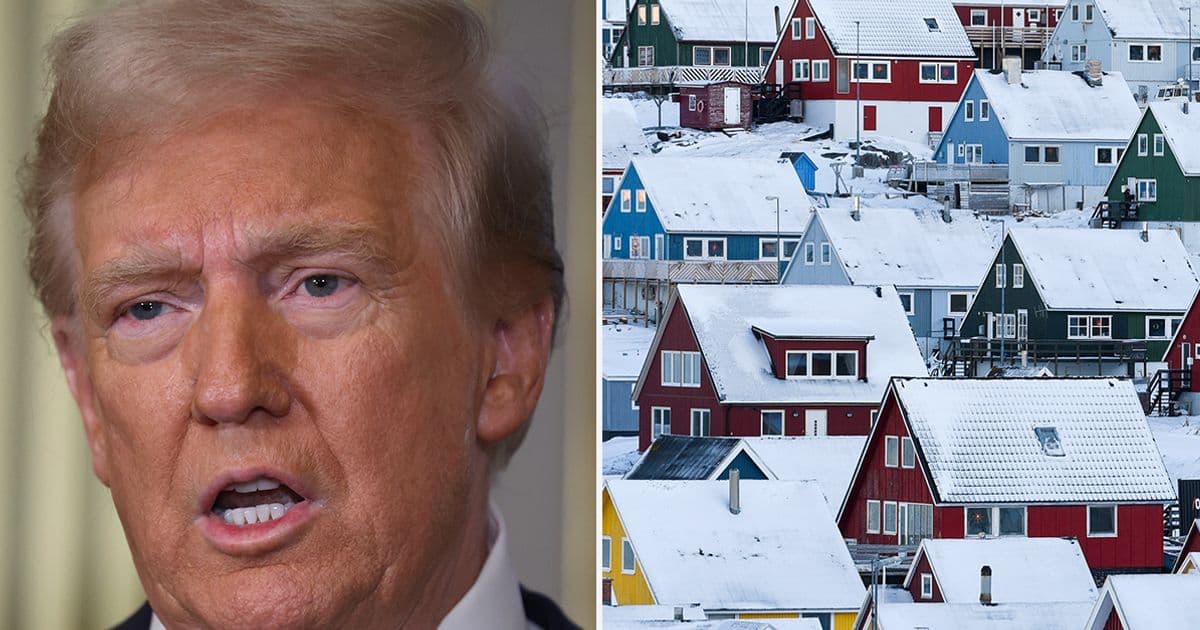
President Donald Trump announced on his social platform that the United States will impose a 10% tariff on goods from Denmark, Norway, Sweden, France, Germany, the United Kingdom, the Netherlands and Finland beginning Feb. 1, framing the levies as leverage to force negotiations over the future status of Greenland.
In posts that laid out a stepped escalation, the tariffs were presented as the first measure in a sequence that would rise to 25% on June 1 and increase further until an agreement allowed the United States to purchase Greenland. Trump described the island as “vital to U.S. security” because of its strategic location and mineral deposits, and in his posts said the targeted countries “have put a level of risk in play that is not tenable or sustainable.” He added that the United States was “immediately open to negotiation with Denmark and/or any of these Countries.”
The announcement drew an immediate and forceful response from the eight governments, which issued a joint statement expressing solidarity with the Kingdom of Denmark and the people of Greenland and warning that the threats “undermine transatlantic relations and risk a dangerous downward spiral.” Leaders of Denmark and Greenland have publicly rejected any sale of the island, and the dispute has prompted protests in Denmark and Greenland, where demonstrators carried signs reading “Greenland is not for sale.”
The policy choice exposes deep tensions between unilateral U.S. leverage and the institutional realities of European economic integration. European diplomats and trade officials point to the European Union’s single market and customs union as a practical obstacle to imposing tariffs on individual member states, and legal experts say any attempt to single out certain members could trigger complex litigation at the World Trade Organization and in U.S. courts. A European diplomat, speaking on condition of anonymity, questioned how the White House would operationalize tariffs aimed at individual EU members given the bloc’s economic structures.
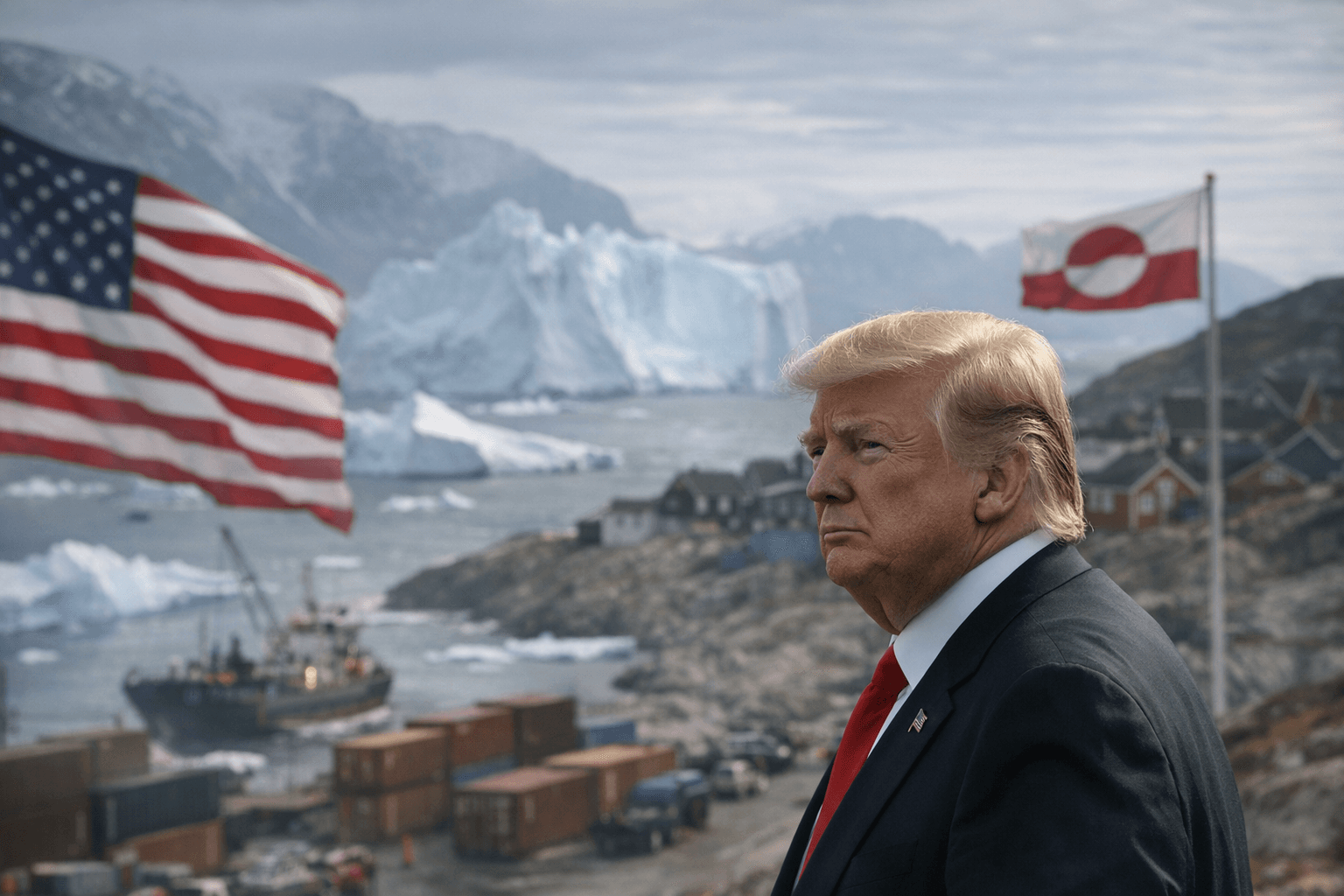
Allies and analysts warned that the move could have broader strategic consequences well beyond trade. Several NATO members recently increased military activity in Greenland for Arctic security training at Denmark’s request, and officials said the tariff threat risks politicizing cooperation in the Arctic and undermining the alliance’s cohesion. Some analysts noted that coercive economic measures or threats to acquire territory from a NATO ally could force European legislatures and voters to reassess defense and diplomatic alignment.
Domestically, the announcement is likely to reshape congressional politics and voter engagement. Lawmakers from both parties who prize transatlantic ties will face pressure to respond, while constituencies in export-dependent industries may mobilize against tariffs that would raise prices and invite retaliatory measures. The dispute has already galvanized civic activism in Greenland and Denmark around the island’s self-determination, a political dynamic that could influence future negotiations and electoral signaling in allied capitals.
Significant questions remain about whether the tariff threat will be implemented as announced and how quickly it might provoke legal challenges or reciprocal measures. The escalation places long-standing institutions of trade and alliance management under strain and forces a recalculation of diplomatic, economic and security priorities in the Arctic and across the transatlantic partnership.
This article was produced by Prism’s automated news system from verified source data, official records, and press releases, then run through automated quality and moderation checks before publishing. The system is built and supervised by the people who set the standards it runs under. Read our full AI policy.
Did this article answer your question?

