Trump Threatens Iran's Power Plants, Bridges as Pakistan Seeks Ceasefire
Trump's third deadline to bomb Iran's power plants expires Tuesday at 8 p.m. Eastern, as Pakistan races to finalize a 45-day ceasefire before time runs out.

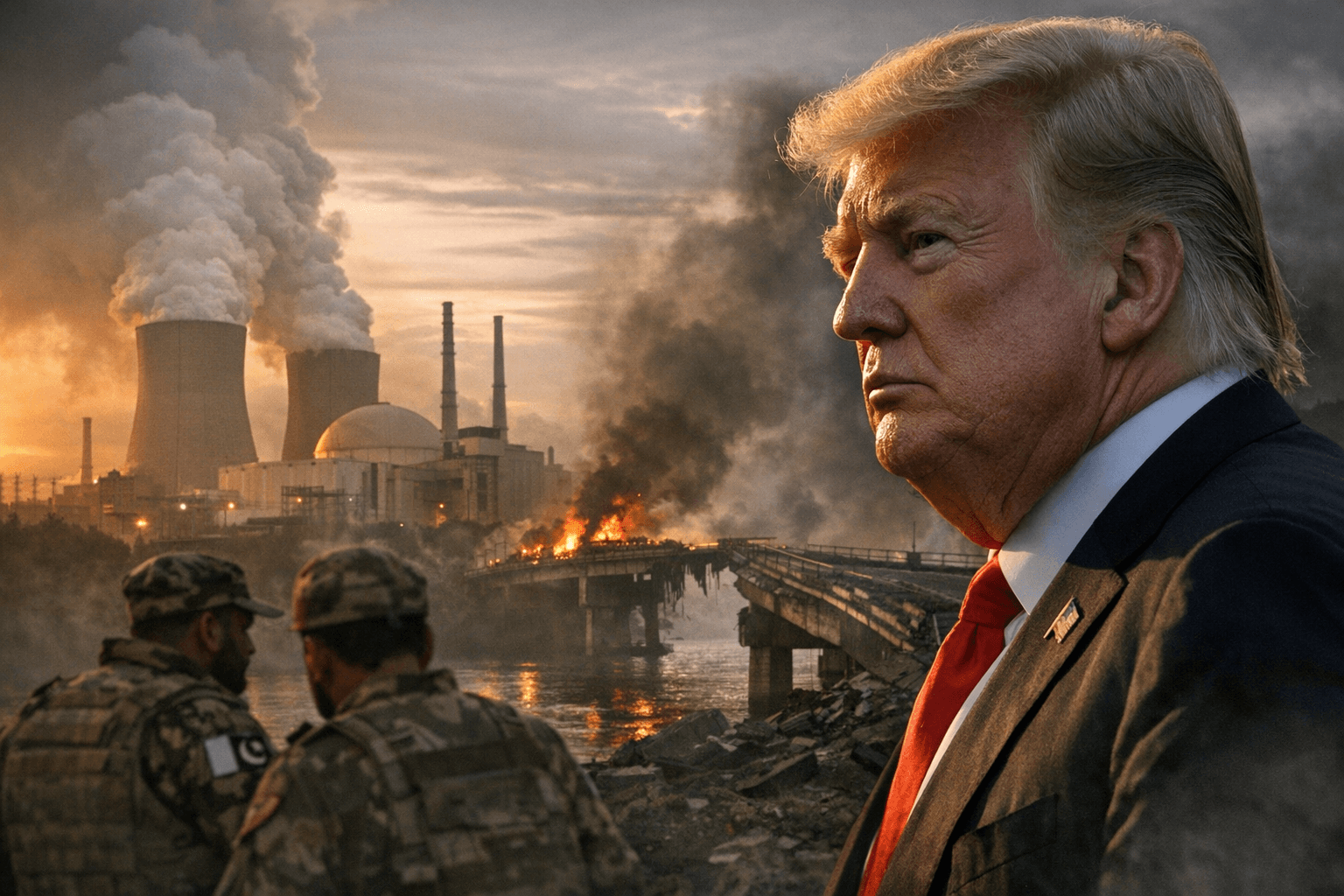
President Donald Trump posted a profanity-laced ultimatum on Truth Social Sunday declaring Tuesday "Power Plant Day, and Bridge Day" for Iran, threatening to destroy civilian infrastructure if Tehran did not reopen the Strait of Hormuz by 8 p.m. Eastern time. It was his third such deadline; he had already extended his timeline twice.
"There will be nothing like it!!!" Trump wrote, addressing Iran's leadership directly: "Open the F Strait, you crazy bastards, or you'll be living in Hell - JUST WATCH!" He signed the post "Praise be to Allah." In a phone interview with Axios shortly after, Trump said "if they don't make a deal, I am blowing up everything over there," and told Fox News he was considering "blowing everything up and taking over the oil."
Against that backdrop, Pakistan was working overnight to finalize a proposed 45-day ceasefire between the United States and Iran. The plan, developed in coordination with Egypt, Turkey, and Saudi Arabia, whose foreign ministers convened in Islamabad on March 30 and produced a joint five-point initiative, follows a two-tier structure: an immediate halt to hostilities, followed by negotiations toward a comprehensive settlement that would include the full reopening of the strait. Pakistani Deputy Prime Minister and Foreign Minister Ishaq Dar also traveled to Beijing, where China and Pakistan jointly presented a new peace initiative on March 31.
Both Washington and Tehran received Pakistan's proposal, though mediators described themselves as "less optimistic" that a deal was close. The core obstacle is stark: a senior Iranian official told Reuters that Tehran will not reopen the Strait of Hormuz as part of a temporary ceasefire, viewing Washington as unready for a permanent one. Iran had already rejected a US 15-point proposal on March 25 through intermediaries, and its foreign ministry called American positions "excessive and unreasonable."
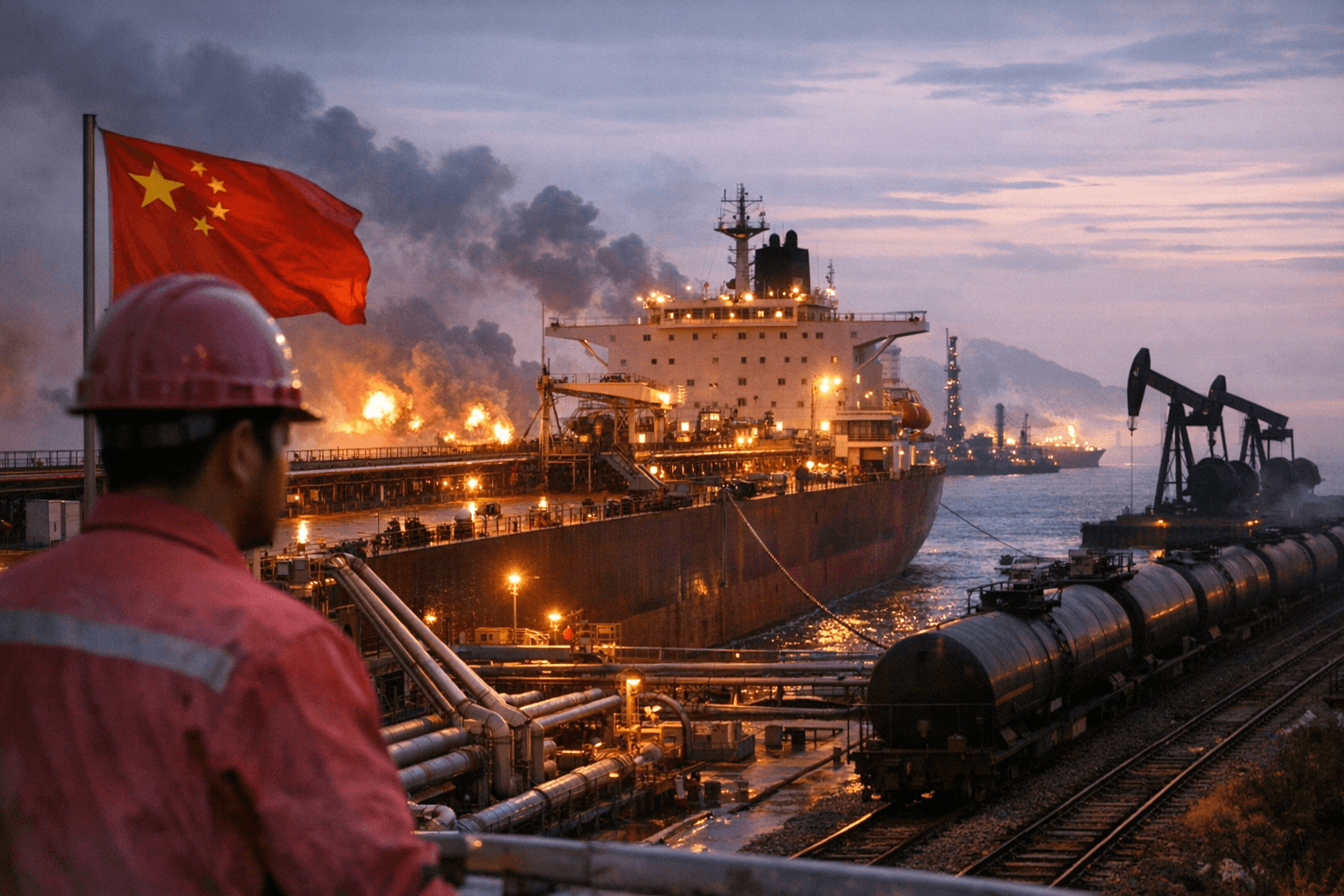
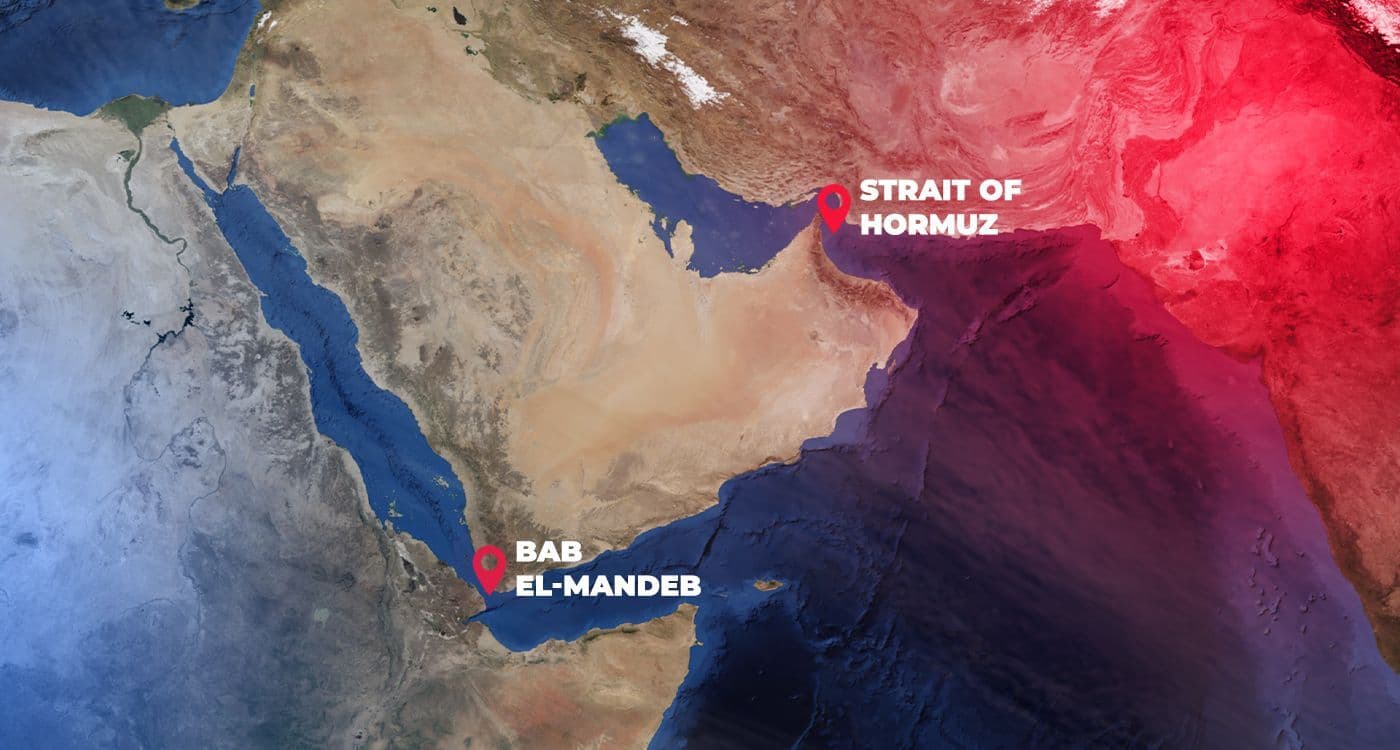
The strait has been closed since March 27, when Iran's Revolutionary Guard formally barred vessels traveling to and from the ports of the United States, Israel, and their allies. The International Energy Agency described the resulting disruption, roughly 20% of the world's daily oil supply and significant liquefied natural gas volumes, as "the largest supply disruption in the history of the global oil market." US officials and Wall Street analysts warned of oil prices reaching $200 per barrel.
Senator Lindsey Graham backed Trump's position Sunday, writing that Trump "is deadly serious when it comes to his ultimatum to Iran" and that "to say the window on diplomacy is closing would be an understatement." White House spokeswoman Karoline Leavitt maintained that "this administration and the United States Armed Forces will always act within the confines of the law."
That claim drew swift rebuttal from the international legal community. International law expert Gabor Rona told NPR that Trump's warnings constitute "a threat to commit war crimes both under international and U.S. law," and more than 100 international law experts signed a letter warning that US strikes on Iran violate the UN Charter. Amnesty International called on Trump to "retract deeply irresponsible threats of acts that would unleash catastrophic harm on millions of civilians." Iran's mission to the United Nations said Trump "openly threatens to destroy infrastructure essential to civilian survival in Iran."
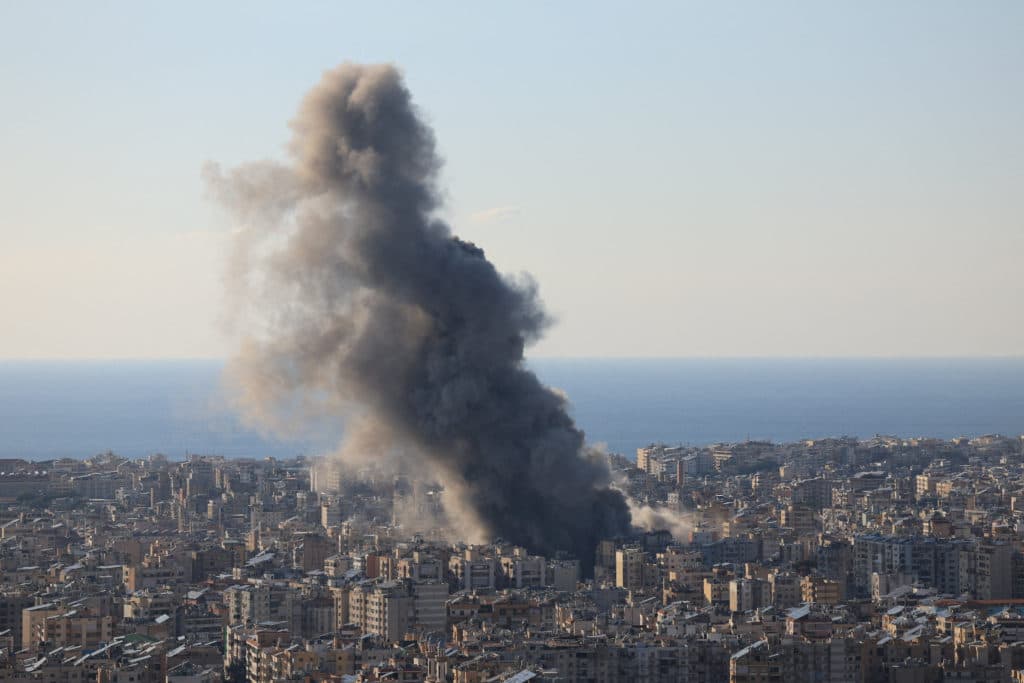
Under international humanitarian law, attacks on infrastructure "indispensable to the survival of the civilian population" are prohibited. The US military has already struck infrastructure in the conflict, including the B1 Bridge near Tehran in the Karaj area. Pentagon figures show 365 American service members have been wounded since the war began February 28, following the assassination of Supreme Leader Ali Khamenei.
Trump told Axios he believed a deal could come as soon as Monday. Pakistan's diplomats pledged to keep working until the final hour.
Sources:
Know something we missed? Have a correction or additional information?
Submit a Tip