Trump Warns Iran to Accept Defeat as Israel Kills Top Commander
Israel killed the IRGC's top naval commander, Alireza Tangsiri, as Trump warned Iran to make a deal "before it is too late" on day 27 of the war.
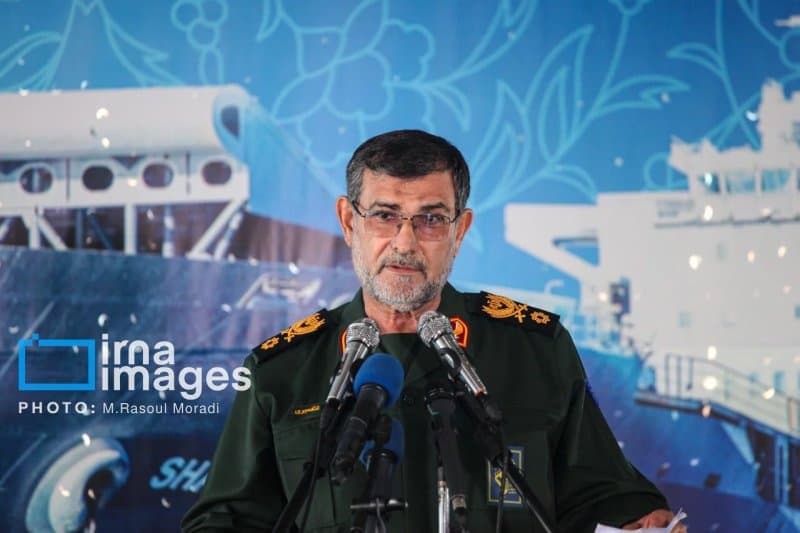
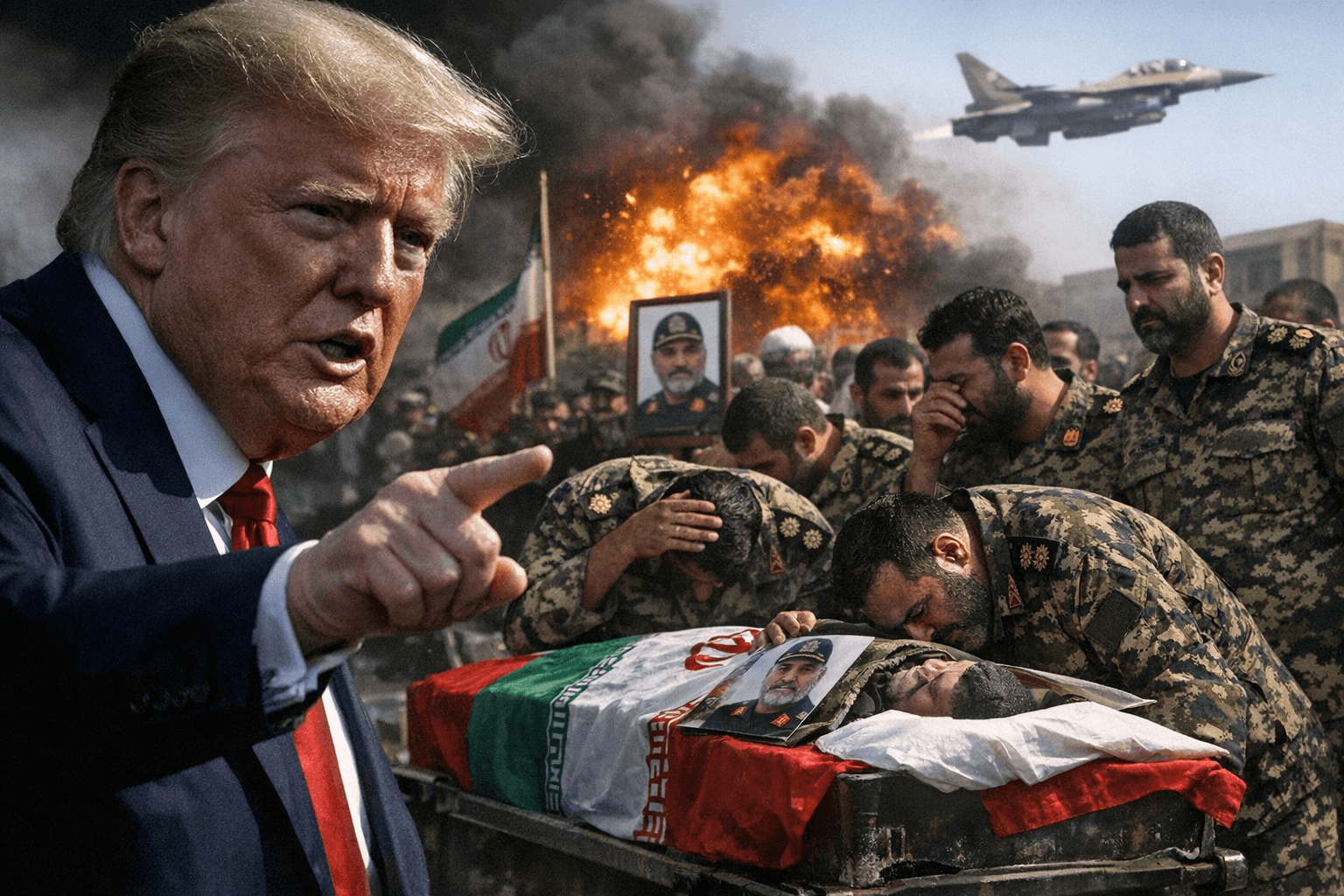
Israel's military claimed it killed Alireza Tangsiri, commander of Iran's Islamic Revolutionary Guard Corps Navy, who it said was instrumental in the mining and blockade of the Strait of Hormuz, as President Trump on Thursday issued his most explicit ultimatum yet: accept defeat or face something far worse.
"Last night, in a precise and lethal operation, the IDF eliminated the commander of the Revolutionary Guards' navy, Tangsiri, along with senior officers of the naval command," Israeli Defense Minister Israel Katz said in a video statement. "The man who was directly responsible for the terrorist operation of mining and blocking the Strait of Hormuz to shipping was blown up and eliminated." Iran did not immediately confirm or deny the death of Tangsiri.
Despite growing pressure, the U.S. had not managed to break Iran's grip on the Strait of Hormuz, a waterway which normally carries a fifth of the world's oil and gas. Iran's threats to attack tankers aligned with the U.S. or Israel in the strait, little over 20 miles wide at its narrowest point, has been one of Tehran's most effective forms of retaliation. Just two days before his death, Tangsiri had announced that a container ship heading from the Port of Sharjah in the UAE was "turned back for failing to comply with legal protocols and lacking authorization to transit the Strait of Hormuz."
The strike that killed Tangsiri was carried out in Bandar Abbas, according to Israeli media reports.
On the diplomatic front, the gap between Washington and Tehran remained as wide as the waterway at stake. Trump insisted on Truth Social that Iran "is begging us to make a deal, which they should be doing since they have been militarily obliterated, with zero chance of a comeback," adding: "They better get serious soon, before it is too late, because once that happens, there is NO TURNING BACK, and it won't be pretty!" Trump also suggested Tehran's public refusal to negotiate stemmed from Iranian negotiators fearing assassination by their own side.
The White House backed the warning with language of its own. Press Secretary Karoline Leavitt told a briefing: "If Iran fails to accept the reality of the current moment, if they fail to understand that they have been defeated militarily and will continue to be, President Trump will ensure they are hit harder than they have ever been hit before. President Trump does not bluff and he is prepared to unleash hell. Iran should not miscalculate again."
Iran's foreign minister flatly contradicted Trump's claims. In an Iranian state TV interview, Abbas Araghchi said they have not engaged in talks to end the war, "and we do not plan on any negotiations." Iranian state media, citing an unnamed senior official, reported that Tehran had responded negatively to a proposal from Trump aimed at ending the conflict. Iran's counterproposal, presented through state media, called for a halt to assassinations, guarantees against future conflict, compensation for war damages, an end to fighting across all fronts, and recognition of Iran's authority over the Strait of Hormuz.
Leavitt acknowledged there were "elements of truth" to media reports on a 15-point U.S. plan setting out demands on Tehran, but said some of the reporting was "not entirely factual." Administration officials said the U.S. is working to arrange a meeting in Pakistan this weekend.
The conflict's regional reach continued to expand on its 27th day. Falling debris from an intercepted ballistic missile killed two people in Abu Dhabi as several Gulf states fended off attacks. Israel's military carried out a wave of strikes across Iran, hitting extensively in the central city of Isfahan, and said Israeli forces "completed a wide-scale wave of strikes targeting infrastructure" of the regime. More than 2,000 people have been killed across the Middle East since the war began. In Iran, U.S. and Israeli strikes have killed more than 1,200 people according to the Iranian Red Crescent Society. At least 1,000 people have been killed in Lebanon, 17 in Israel, and 13 U.S. service members have died in combat.
U.S. officials claimed more than 9,000 targets have been struck since the campaign began, and Iranian missile and drone attacks have reportedly dropped by approximately 90 percent from the conflict's early days.
The economic fallout continued to reverberate globally. Japan's Ministry of Economy, Trade and Industry announced it was releasing part of its strategic oil reserves to temper price surges caused by the war, with official Kaname Morimoto telling AFP: "The release [of the national stockpile] started at 10:59 am [01:59 GMT] to oil refiners." It was the first time since February 27, the day before U.S. and Israeli attacks on Iran began, that the national average U.S. gas price had fallen even fractionally, though prices remain up about $1 per gallon in the past month, a 34% increase.
Trump is moving thousands of airborne troops and extra marines to the Gulf amid speculation he might order a ground invasion to either seize Iranian oil assets or secure the Strait of Hormuz. Leavitt reiterated the administration's initial four-to-six-week timeline for military operations: "You could do the math on that," she said.
Know something we missed? Have a correction or additional information?
Submit a Tip