Trump weighs Iran deal, reopening Strait of Hormuz remains uncertain
Trump said he would make a “final determination” on Iran as talks tied to Hormuz reopened uncertainty for oil markets and the ceasefire.
Trump spent Friday weighing a deal that could reopen the Strait of Hormuz, ease pressure on Iran’s frozen assets and extend fragile negotiations, but the terms remained unsettled as the White House Situation Room meeting ended and no decision was publicly clear. Vice President JD Vance said the sides were “not there yet,” even as he added, “we’re very close.”
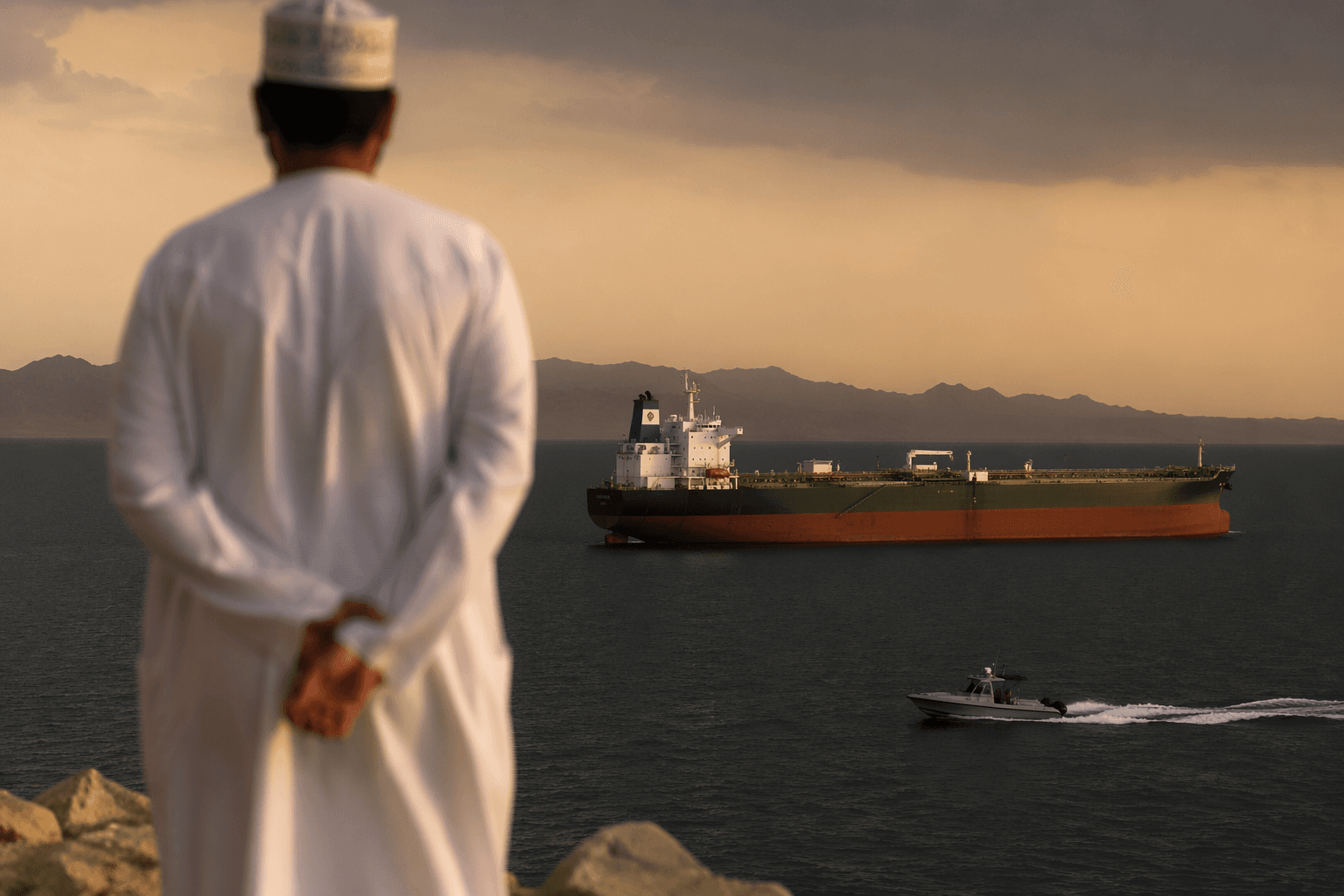
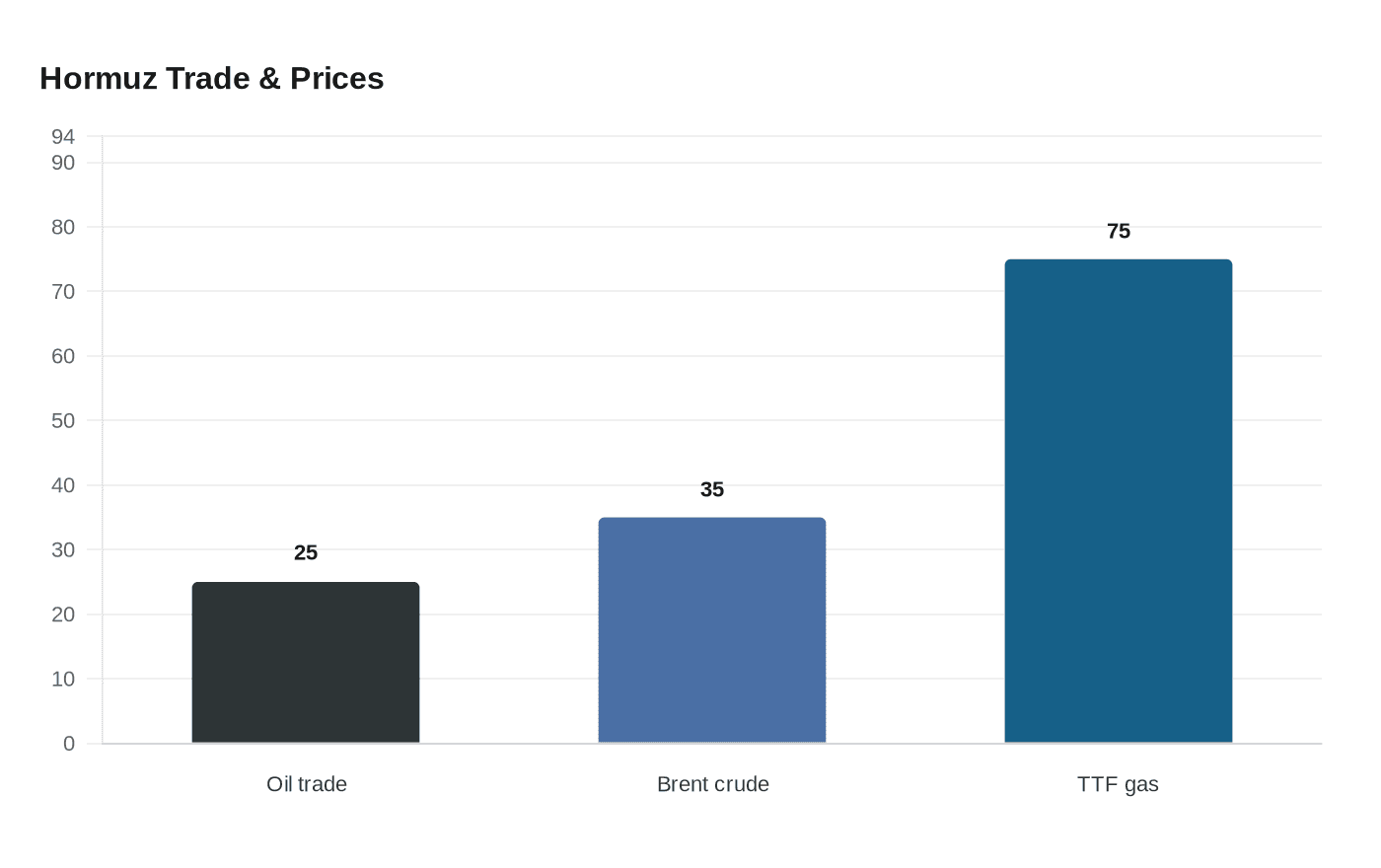
The fight over Hormuz sits at the center of the talks because the waterway is not symbolic. An Energy Institute report said about 20 million barrels per day of crude oil and oil products moved through the strait in 2025, roughly 25% of world seaborne oil trade, making it the main export route for oil and gas from Saudi Arabia, the United Arab Emirates, Kuwait, Qatar, Iraq, Bahrain and Iran. During the disruption described in the report, flows fell to less than 10% of pre-conflict levels, while Brent crude futures climbed 35% through March 9 and Dutch TTF gas prices rose 75%.
That is why any promise to “reopen” Hormuz would need more than a political announcement. It would require a mechanism that changes shipping access, maritime enforcement and Iranian control over the passage through the Persian Gulf and Gulf of Oman. CBS News reported that Iran’s state media said no agreement had been finalized or confirmed, and that Iranian officials maintained the strait would remain under Iranian management even if a deal emerged.
The nuclear demand is just as fraught. The International Atomic Energy Agency said Iran’s total enriched uranium stockpile was estimated at 9,874.9 kg as of June 13, 2025, a figure that gives inspectors a concrete baseline for any claim that uranium has been destroyed, removed or rendered unusable. In practical terms, that means verification would have to show what happened to the stockpile, not simply rely on language from Tehran or Washington. The agency also said unresolved safeguards issues remained, including undeclared nuclear material and limited Iranian cooperation.
Trump sharpened the stakes during the week, saying Iran was “negotiating on fumes” and warning that if no deal came, the United States might “finish the job.” He also said “nobody’s going to control” the Strait of Hormuz. The broader backdrop matters: the IAEA says its Iran reporting traces to the 2015 nuclear deal and U.N. Security Council Resolution 2231, and records that Trump withdrew the United States from the JCPOA on May 8, 2018. That history helps explain why the current talks have become a wider war-ending package, with energy security, ceasefire terms and uranium restrictions moving together.
This article was produced by Prism’s automated news system from verified source data, official records, and press releases, then run through automated quality and moderation checks before publishing. The system is built and supervised by the people who set the standards it runs under. Read our full AI policy.
Know something we missed? Have a correction or additional information?
Submit a Tip