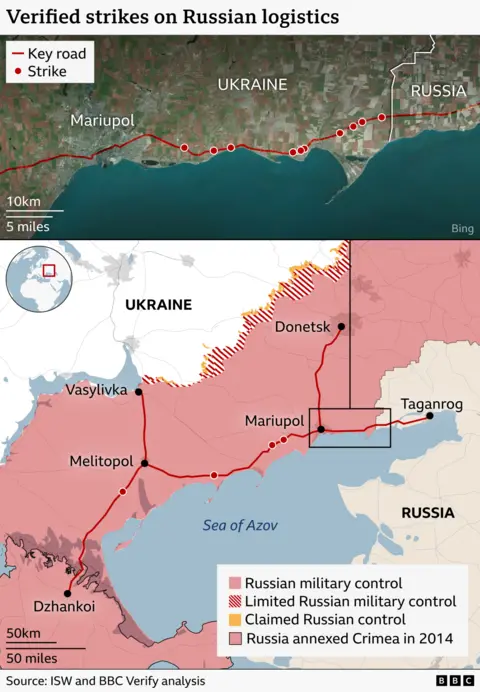
Trump weighs Iran proposal in Situation Room, no deal announced
Trump left a two-hour Iran meeting without a deal, while the toughest gaps stayed open: nuclear limits, Strait of Hormuz access and who moves first.
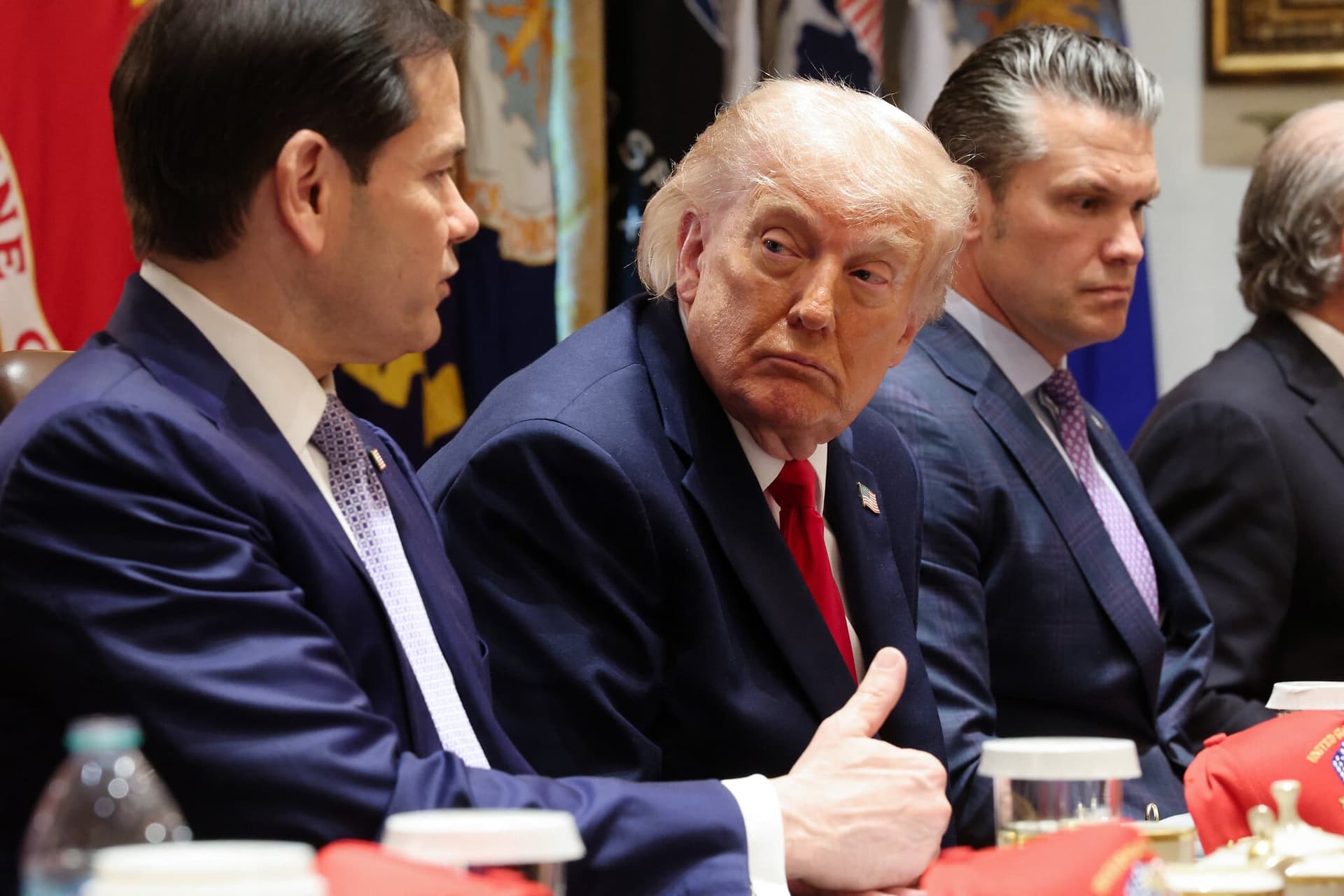
Donald Trump left the White House Situation Room on Friday without announcing a final decision on Iran, even after two hours of talks with top advisers over the latest proposal. The meeting underscored the gap between the talk of progress and the unresolved red lines that still block any real deal.
Trump’s terms remain explicit. Iran must never possess a nuclear weapon. The Strait of Hormuz must reopen immediately, without tolls or restrictions, and any mines in the waterway must be removed. He also wants highly enriched uranium taken from Iranian sites to be excavated jointly by the United States and Iran, under International Atomic Energy Agency oversight, and then destroyed.
The emerging proposal would still fall short of that finish line. The package under discussion includes reopening the Strait of Hormuz, unfreezing some Iranian assets held in foreign banks and continuing negotiations. Trump and his aides had also been discussing a 60-day memorandum of understanding to extend the ceasefire and set up further nuclear talks, but he had not signed off by the time he left the Situation Room.
The biggest dispute is sequencing. Iran has pushed to move the nuclear issue to the final stage, tying future talks to sanctions relief and U.S. recognition of Iran’s right to enrich uranium for peaceful purposes. Earlier this month, an Iranian proposal that would have reopened shipping in the strait before nuclear talks was rejected by Trump, who said Iran was asking for things he could not accept.
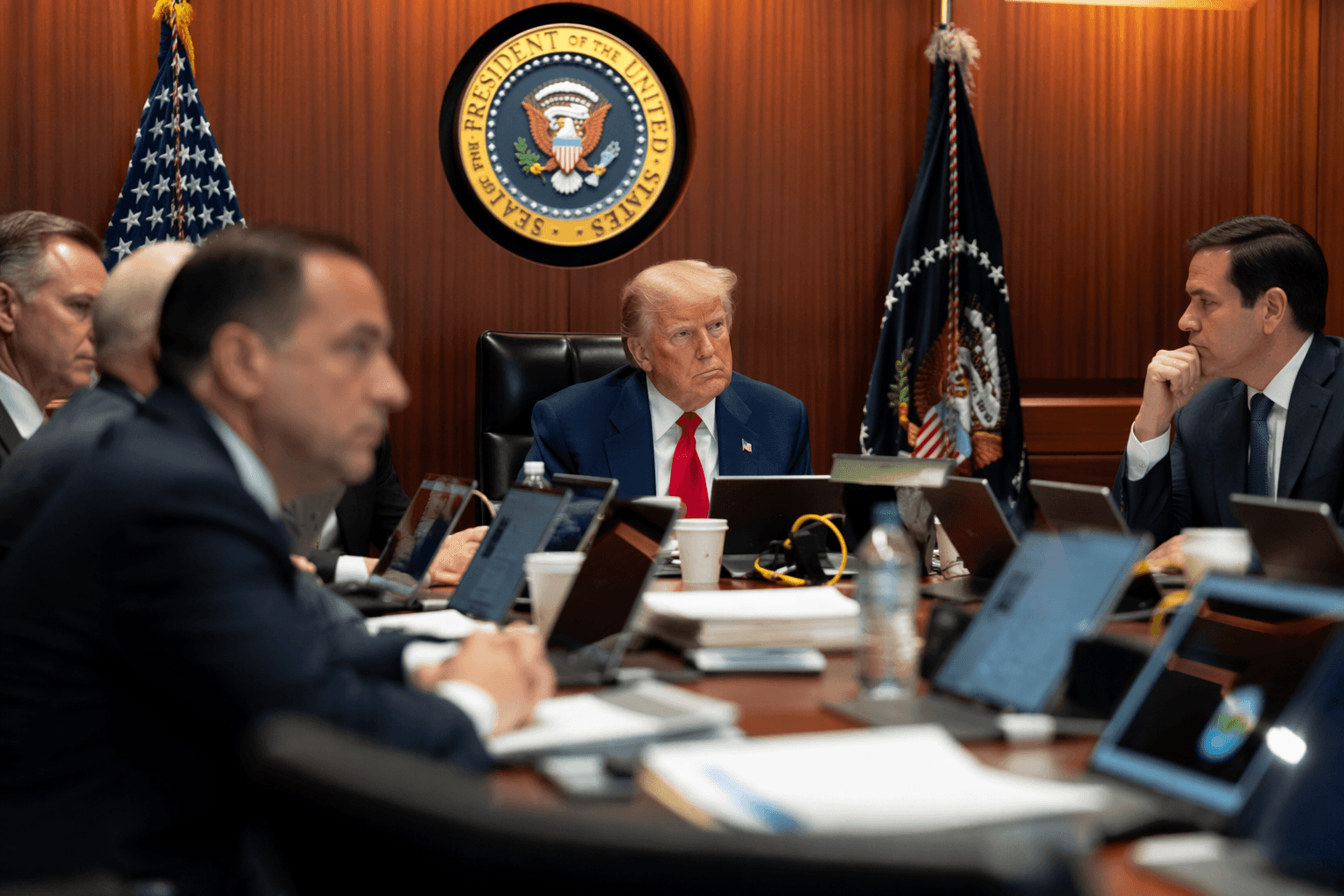
Iranian officials have tried to project movement without claiming a breakthrough. Esmaeil Baqaei said on May 25 that Tehran and Washington had reached understandings on many issues, but added that no one could say an agreement was imminent. Marco Rubio, speaking on May 23, said there had been “some progress” in talks, but he repeated the administration’s hard line that Iran can never have nuclear weapons and that the straits must be opened without tolls.
The diplomatic track is still running alongside military pressure. Defense Secretary Pete Hegseth has said about 50,000 U.S. troops in the region remain ready if hostilities resume. Trump convened Vice President J.D. Vance, Hegseth and CIA Director John Ratcliffe as the administration weighed the proposal, a sign that any agreement would have to clear both diplomatic and security tests before it can be called progress.
The ceasefire itself remains fragile. U.S. Central Command said on Thursday that Iran violated it, after a ballistic missile aimed toward Kuwait was intercepted and five drones near the Strait of Hormuz were shot down by U.S. forces. That is the reality check behind the language of peace: until Tehran accepts a permanent nuclear limit, Washington relaxes pressure only after concrete steps, and the strait reopens on terms both sides can live with, the deal remains more of a framework than an outcome.
This article was produced by Prism’s automated news system from verified source data, official records, and press releases, then run through automated quality and moderation checks before publishing. The system is built and supervised by the people who set the standards it runs under. Read our full AI policy.
Know something we missed? Have a correction or additional information?
Submit a Tip