Wang Yi says Canada could double exports to China by 2030
Wang Yi said Canada could double exports to China by 2030. The pitch lands as Ottawa weighs farm gains against security concerns and U.S. alignment.

Wang Yi used a rare visit to Ottawa to tell Canada its exports to China could do more than meet the current goal of a 50% increase by 2030, and could even double. The message carried extra weight because this was the first visit by a Chinese foreign minister to Canada in 10 years, and because Wang also briefly met Prime Minister Mark Carney before a private meeting with Foreign Minister Anita Anand.
Anand kept the Canadian response focused on trade policy rather than geopolitics, saying Canada is focused on growth and diversification of trading relationships. That is the core tension in Ottawa’s China file: Beijing offers a larger market and a path away from heavy dependence on the United States, but any deeper thaw also raises security concerns and political pressure to keep Canada aligned with Washington.
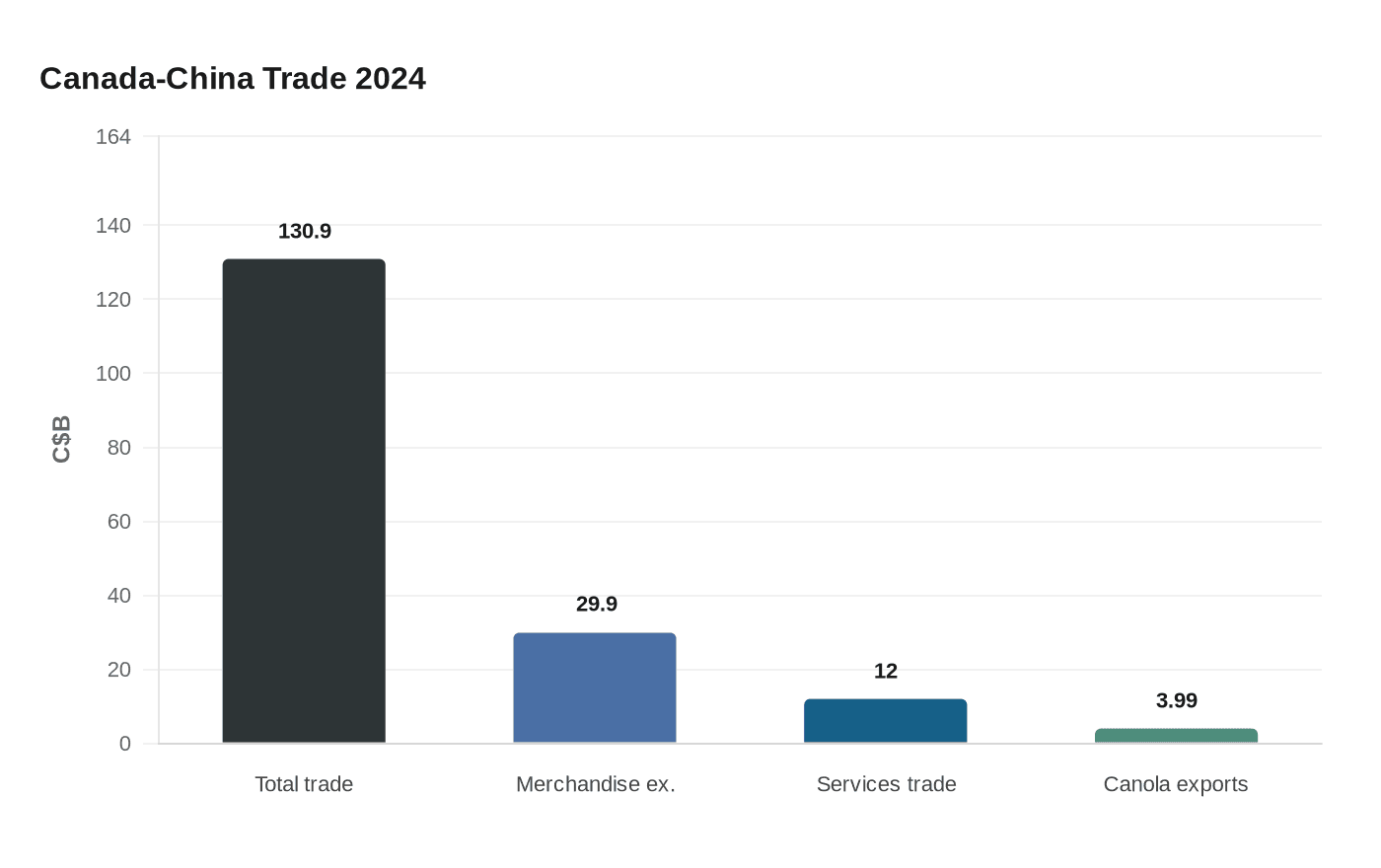
The scale of the relationship is already substantial. Global Affairs Canada says China was Canada’s second-largest single-country trading partner in 2024, with bilateral merchandise and services trade totaling C$130.9 billion. Canadian merchandise exports to China reached C$29.9 billion that year, equal to 3.8% of total merchandise exports, while services trade added another C$12.0 billion.
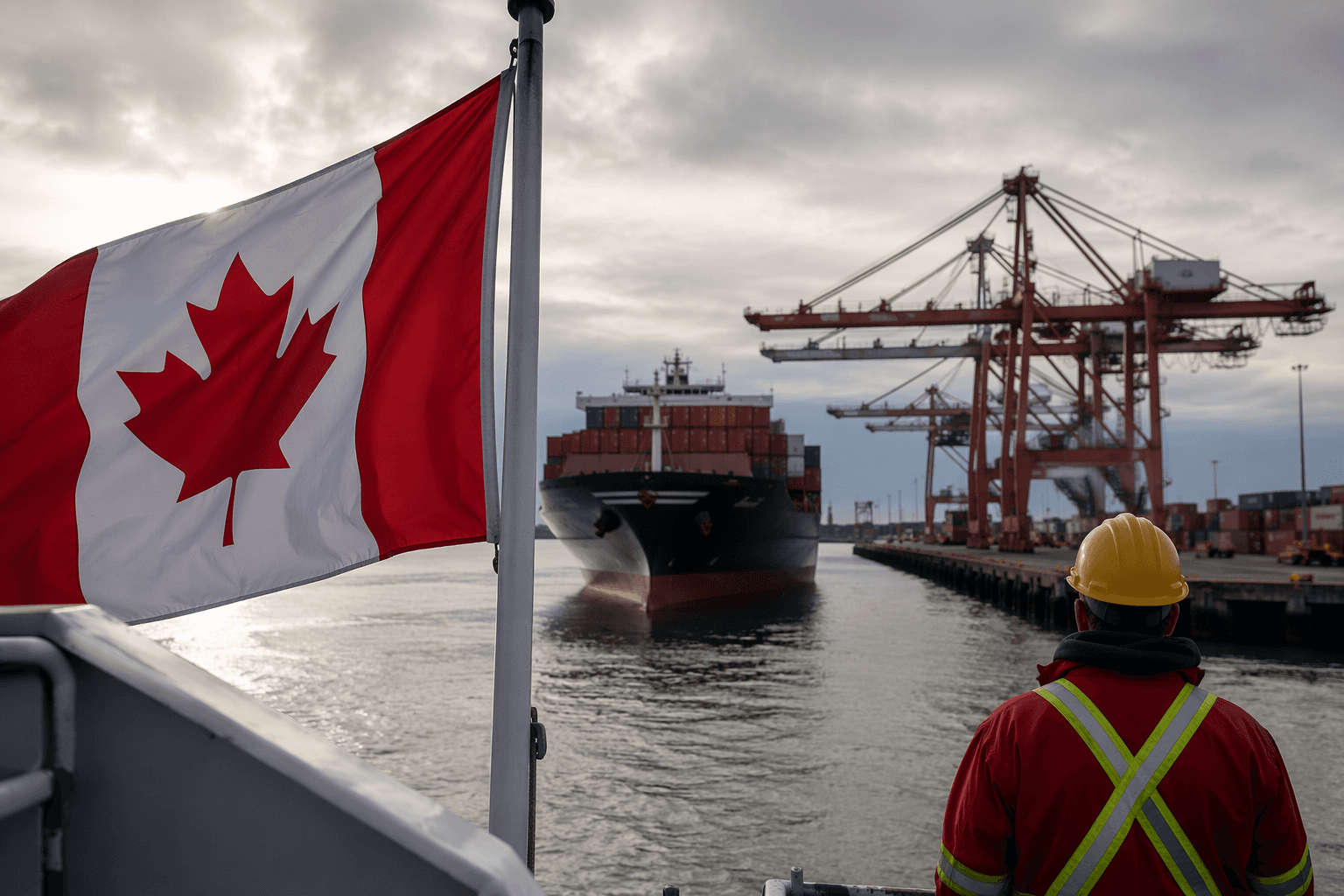
The immediate economic opening came in January, when Canada and China struck an initial deal to lower tariffs on electric vehicles and canola. Canada said China cut tariffs on canola seed to about 14.9% from almost 85%, a change tied to roughly C$4 billion in annual Canadian canola exports. China also suspended anti-discrimination tariffs on canola meal, peas, lobster and crab until the end of 2026, and resumed beef market access for 20 registered Canadian meat establishments in January.
Those changes point to the sectors most likely to benefit first. Canola is the clearest winner, especially in Saskatchewan, which produces more than half of Canada’s supply. Beef exporters, pea growers and seafood producers in Atlantic Canada also stand to gain if the tariff relief holds and market access widens further. The University of Alberta China Institute said Canadian exports to China fell 1.97% year over year in 2024 even as canola exports reached C$3.99 billion, underscoring how concentrated and vulnerable the trade remains.
Scott Moe called the January canola deal a major step for Saskatchewan, but the political price for Ottawa is harder to manage. Any move toward a broader reset with Beijing will invite scrutiny over security, rights, and Canada’s strategic relationship with the United States. For now, the meeting signaled a cautious thaw, not a breakthrough, with both sides betting that trade can expand even while the larger rivalry stays unresolved.
This article was produced by Prism’s automated news system from verified source data, official records, and press releases, then run through automated quality and moderation checks before publishing. The system is built and supervised by the people who set the standards it runs under. Read our full AI policy.
Know something we missed? Have a correction or additional information?
Submit a Tip