Trump weighs short strikes on Iran as oil prices surge on war fears
Oil jumped above $119 a barrel as Trump weighed short strikes on Iran and a naval blockade deepened fears for the Strait of Hormuz.
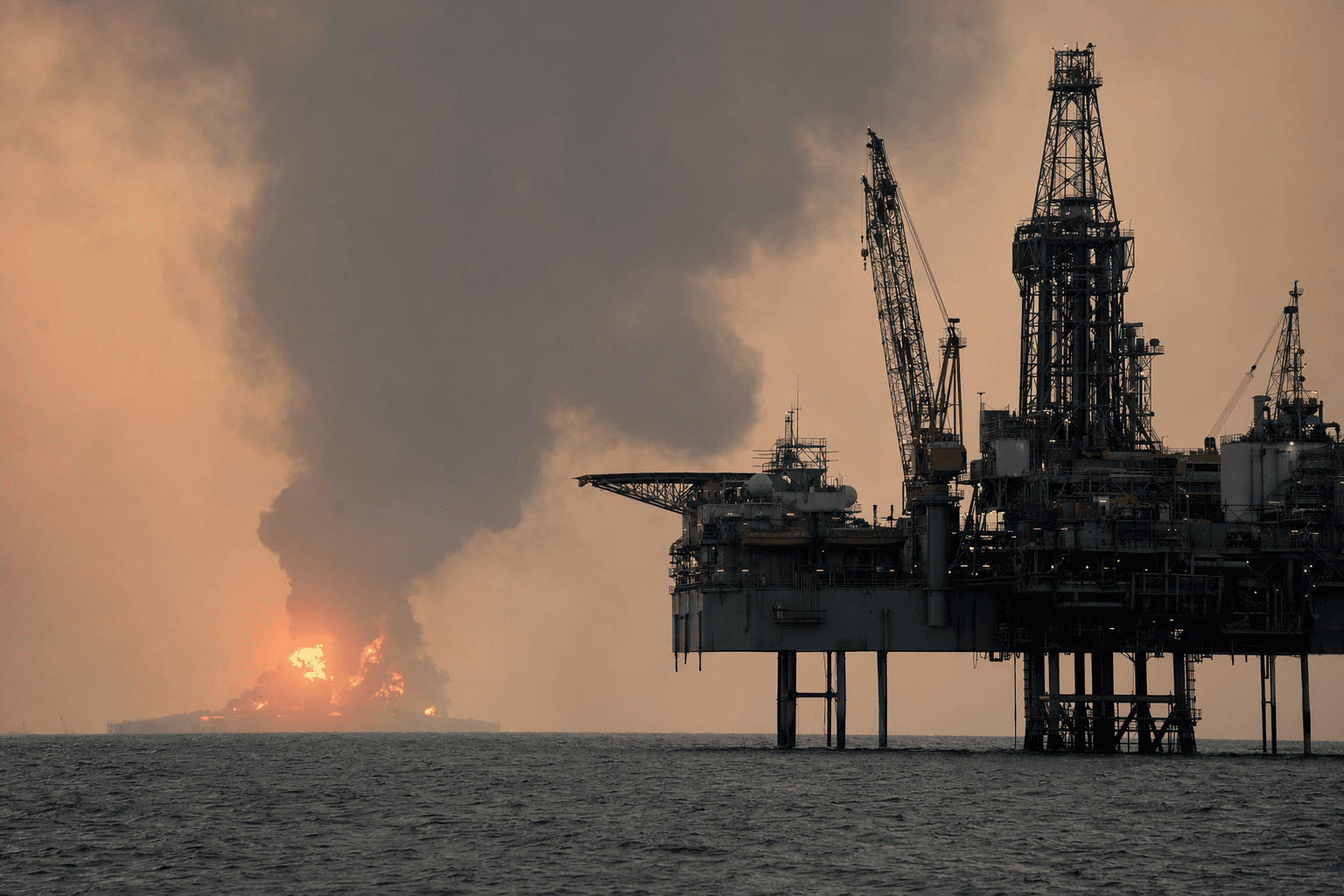
Oil markets have started pricing in the economic shock of a possible U.S. strike on Iran before any missiles are launched. Brent crude surged more than 6% on Wednesday, April 29, 2026, reaching its highest level since June 2022, with some trades near $119.50 a barrel as fears mounted that a wider conflict could disrupt shipments through the Strait of Hormuz, the world’s most sensitive energy chokepoint.
The pressure is already showing up at the pump. The U.S. average gasoline price climbed to $4.18 a gallon, the highest since the Iran war began and the highest since August 2022. That move matters far beyond drivers’ budgets: a sustained jump in crude and fuel costs would feed into freight rates, airline expenses, and inflation expectations just as Washington is weighing whether military action could harden Tehran’s position or force a breakthrough.
Donald Trump was set to receive a briefing Thursday, April 30, 2026, from U.S. Central Command commander Adm. Brad Cooper on new plans for potential military action against Iran. The plans reportedly call for a “short and powerful” wave of strikes, and the White House is weighing whether such an operation would help break the logjam in negotiations or deliver a final blow before ending the war. Trump has also said he would keep Iran under a naval blockade until Tehran agrees to a deal addressing its nuclear program.
The market reaction reflects two different risks. One is real supply danger: if tensions spread, shipping through Hormuz could be slowed or threatened, and even the prospect of tighter security can lift tanker costs and insurance premiums. The other is speculation, with traders rushing into crude futures on the chance that U.S. action, or retaliation from Iran, could interrupt flows across the Middle East. Deadlocked U.S.-Iran talks are intensifying that fear by suggesting the standoff could last longer than traders first hoped.
Trump has already rejected an Iranian proposal to reopen the Strait of Hormuz first and delay nuclear talks, a sign that both sides remain far apart. The result is a familiar pattern for energy markets: a geopolitical confrontation in the Middle East quickly becomes a domestic inflation story in the United States, and prices move sharply even before the first strike lands.
This article was produced by Prism’s automated news system from verified source data, official records, and press releases, then run through automated quality and moderation checks before publishing. The system is built and supervised by the people who set the standards it runs under. Read our full AI policy.
Did this article answer your question?

