Trump's anti-weaponization fund may pay Biden, Jan. 6 defendants
A $1.776 billion fund could reach Hunter Biden and even some Jan. 6 defendants, but Todd Blanche left unanswered who qualifies and who decides.
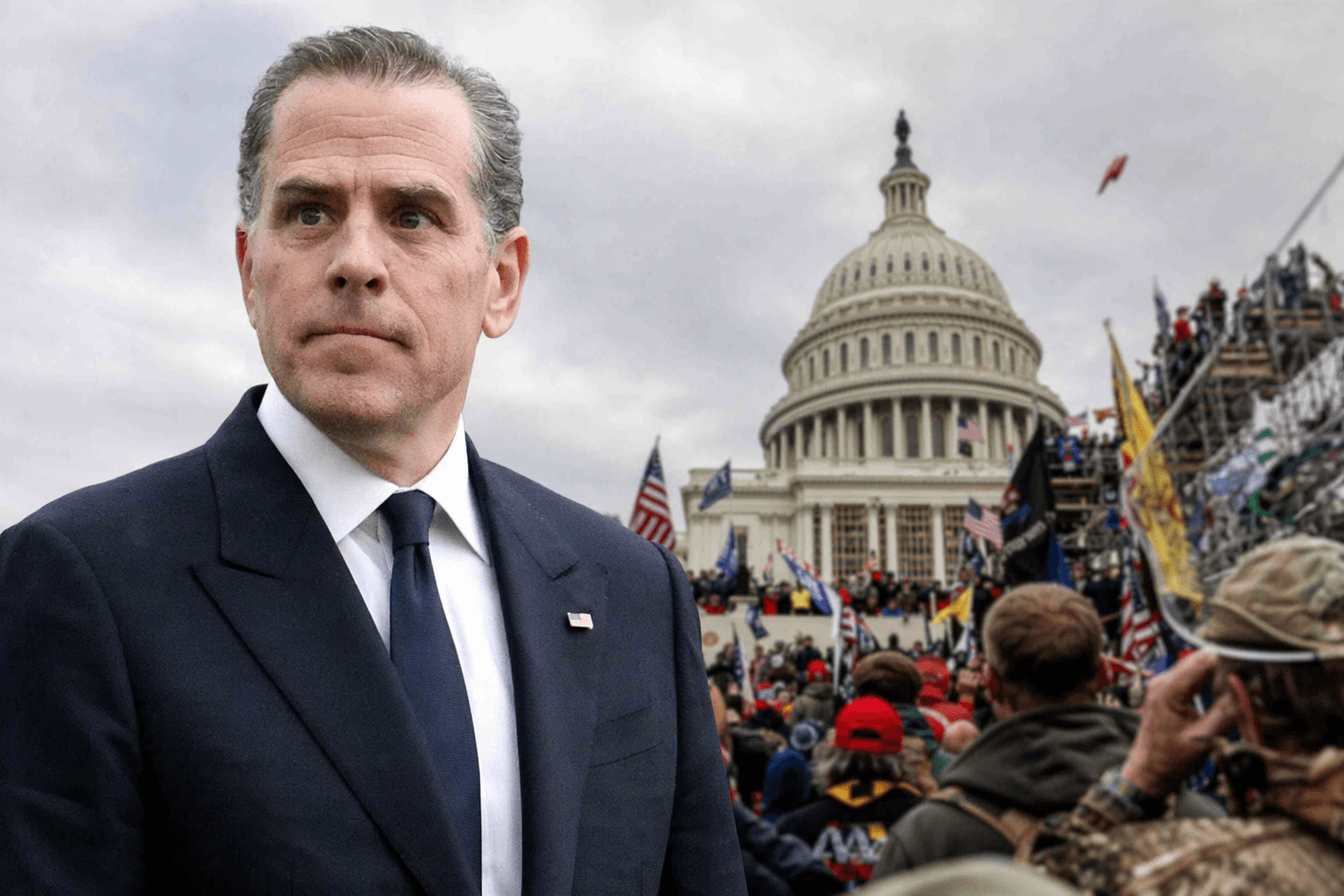
A $1.776 billion anti-weaponization fund that could reach Hunter Biden and even some people convicted in connection with the Jan. 6 Capitol riot has quickly turned into a test of whether the Justice Department can explain who gets paid, who decides, and what standards will keep the money from becoming a political reward.
The Trump administration announced the fund on Monday as part of a settlement tied to Donald Trump’s $10 billion lawsuit against the Internal Revenue Service over the leak of his tax returns by former IRS contractor Charles Littlejohn in 2019 and 2020. Instead of sending Trump a direct payment, the deal created a pool for people who say they were unfairly targeted or prosecuted through what the administration calls weaponization or lawfare.
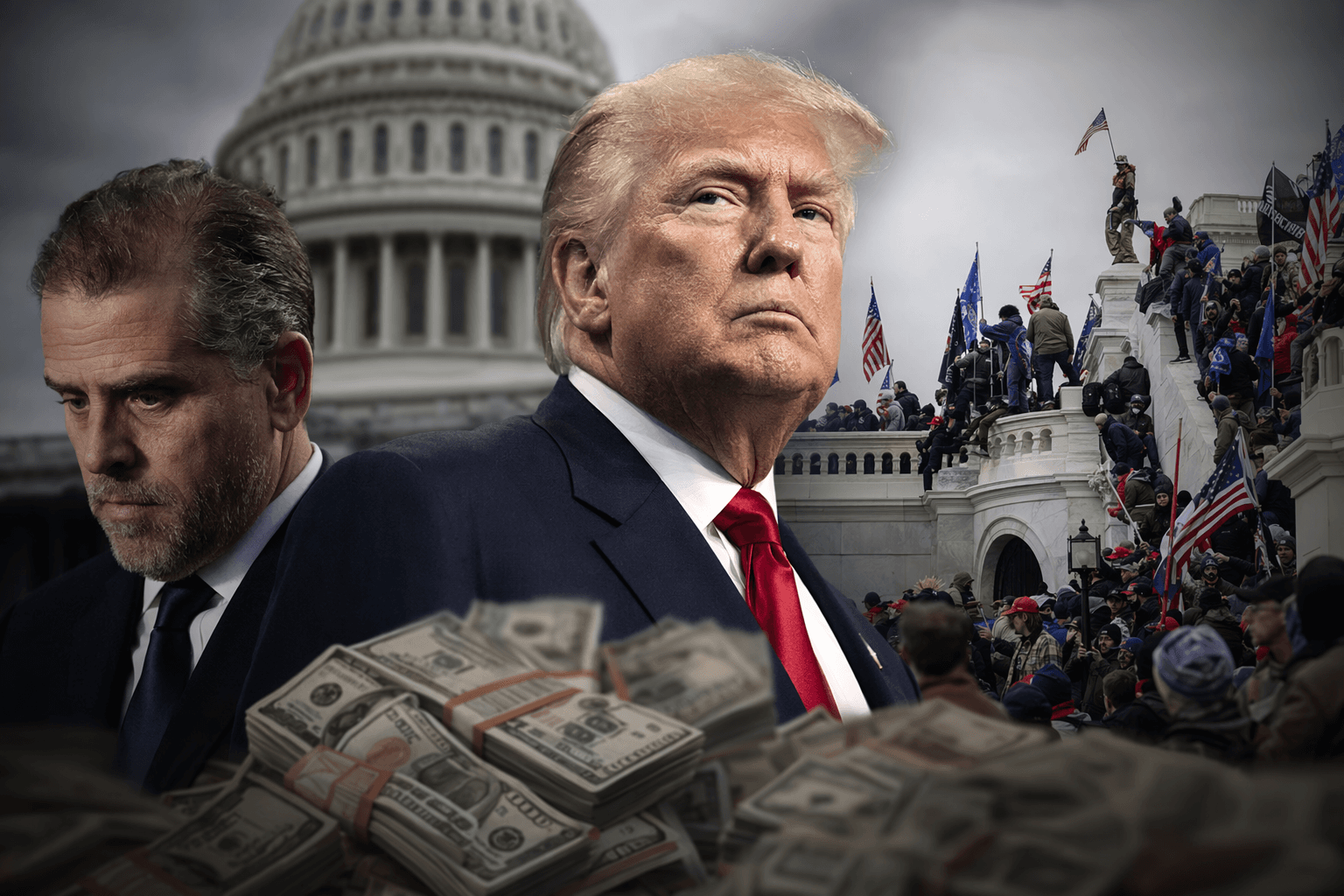
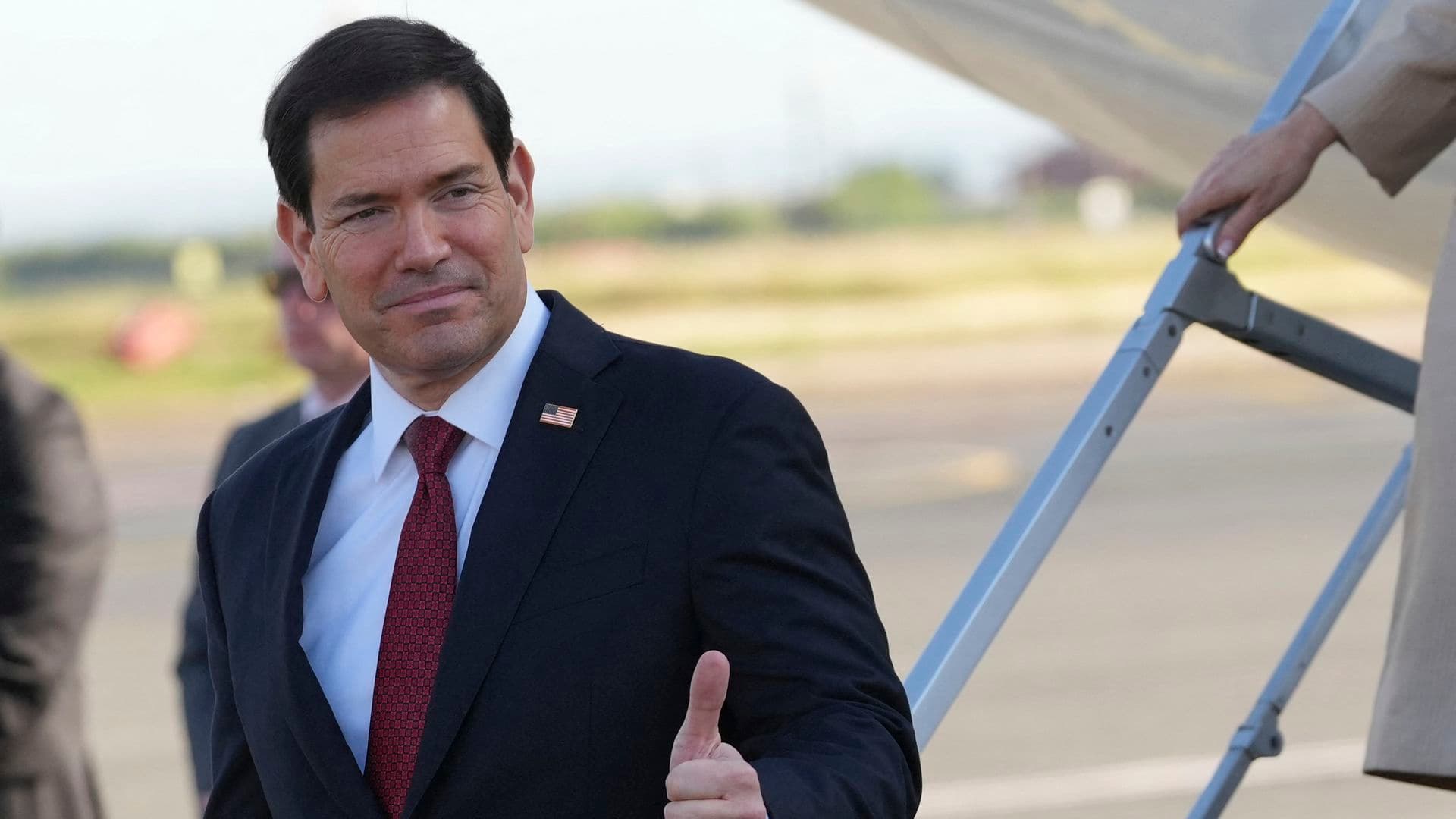
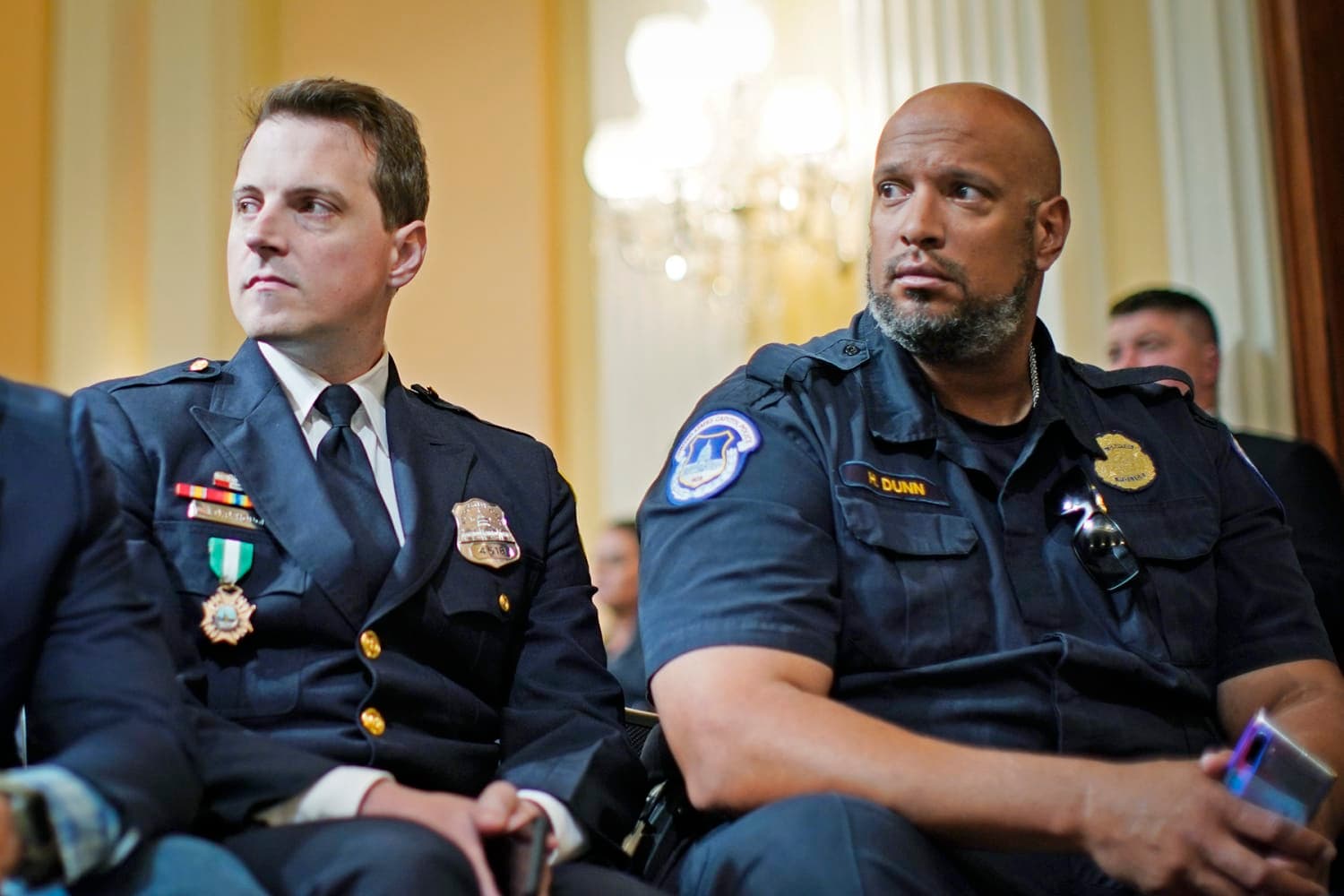
Acting Attorney General Todd Blanche told senators the fund would not be limited to Republicans or to people investigated by the Biden administration. He said Hunter Biden could potentially apply, and he would not rule out payouts for people involved in violence during the Jan. 6, 2021, Capitol riot. That prospect intensified bipartisan skepticism on Capitol Hill, where lawmakers questioned whether the program was a fair compensation process or a politically directed slush fund.
Blanche’s first congressional appearance since taking over the Justice Department was dominated by those questions. Senators pressed him on how claims would be evaluated, who would approve payments, and what guardrails would prevent the fund from being used to reward allies or punish enemies. Blanche said five commissioners will oversee the fund, but none had been chosen yet, and he said the commission would set the payment guidelines.
The lack of detail only deepened concerns. Democrats condemned the idea as taxpayer-funded favoritism, while some Republicans voiced confusion and worry over the possibility that Jan. 6 rioters could be included. Patty Murray and Jack Reed were among the lawmakers raising objections as the hearing exposed how little was settled beyond the dollar figure and the political branding.
The settlement also drew fresh scrutiny because IRS lawyers reportedly wanted the government to fight Trump’s lawsuit rather than settle. That dispute added another layer of uncertainty around why the administration chose to create a compensation pool instead of defending the case in court. For now, the fund exists more as a promise than a program, with the central questions still hanging over Capitol Hill and the Justice Department alike.
Know something we missed? Have a correction or additional information?
Submit a Tip