Trump’s Jan. 6 clemency raises fears of normalized political favor
Trump’s blanket Jan. 6 clemency erased punishments for rioters and elevated a test of whether presidential power can be used to reward political allies.
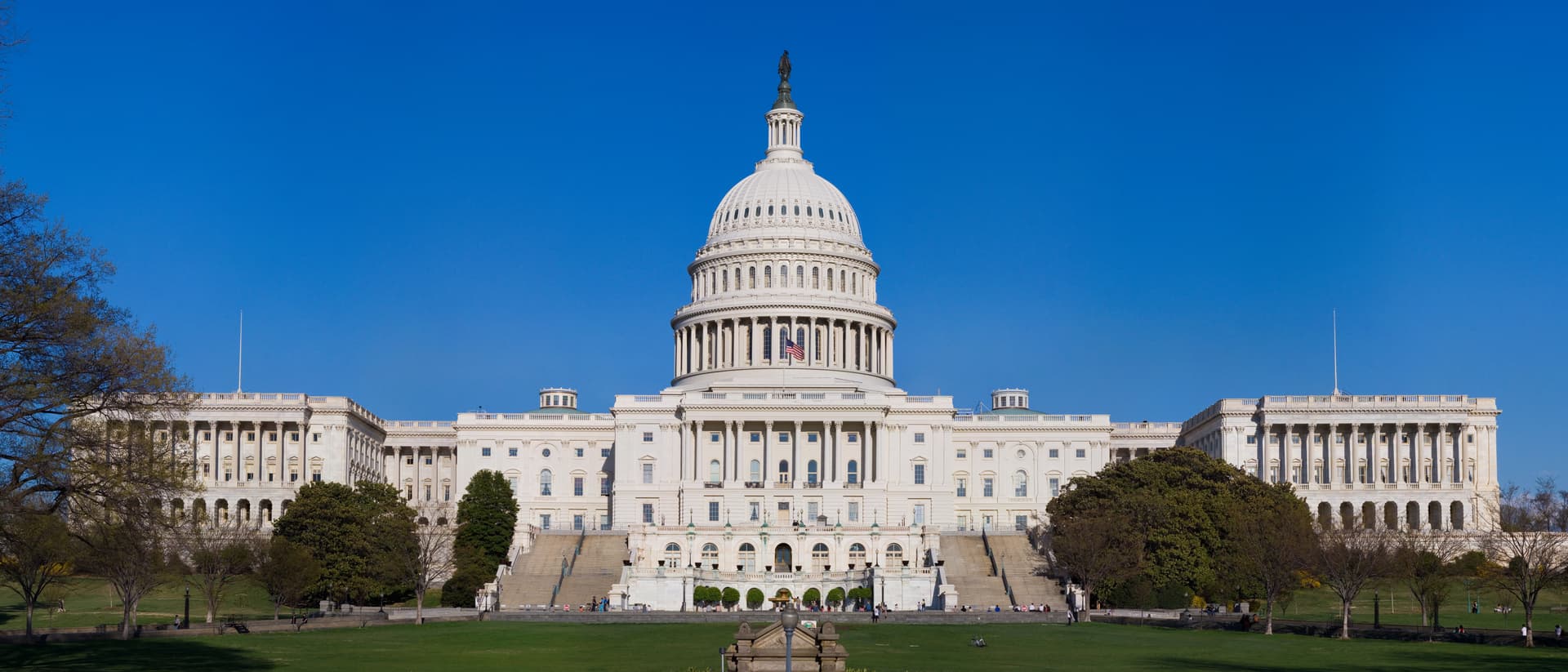
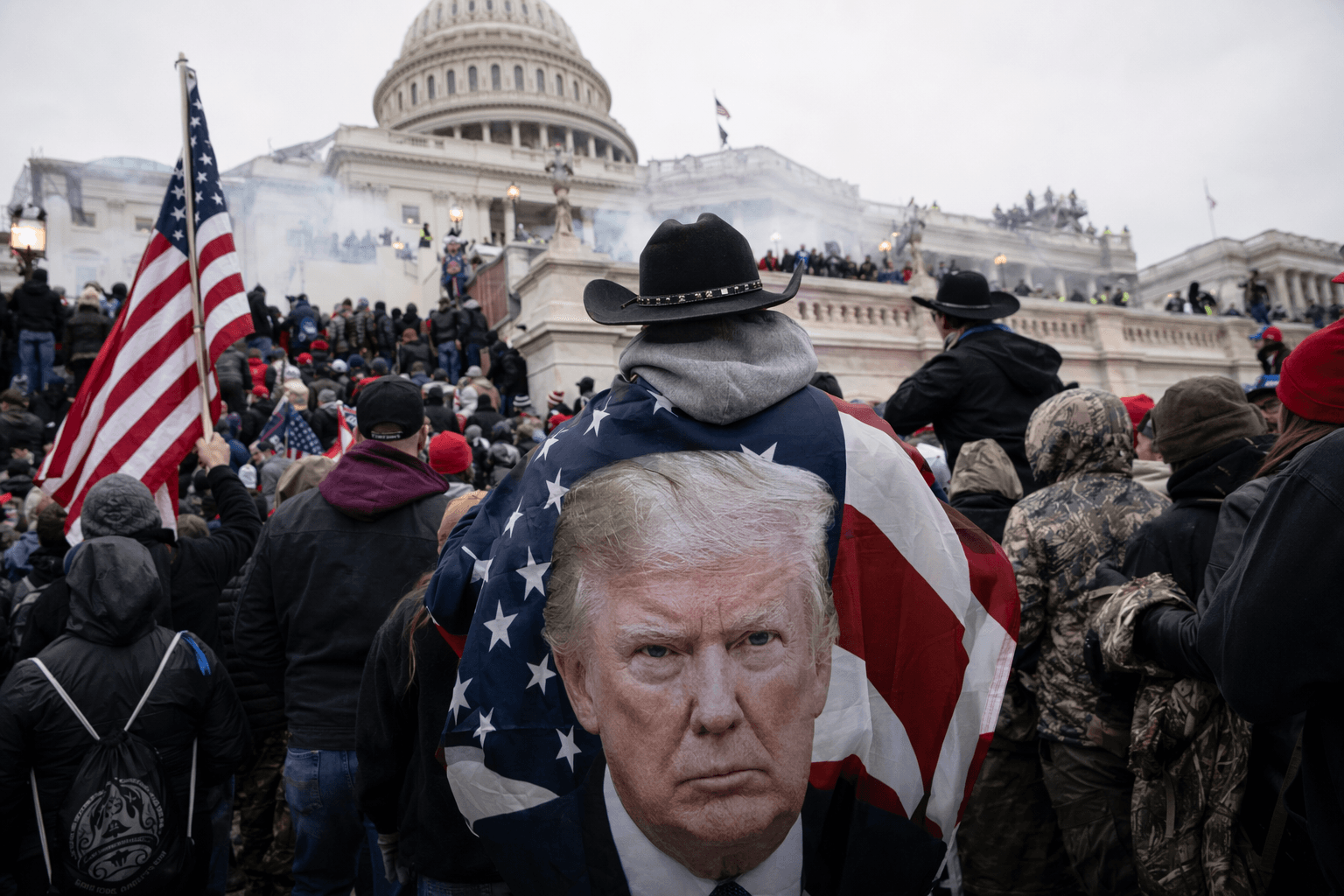
Donald Trump’s sweeping Jan. 20, 2025 clemency for Jan. 6 defendants moved the Capitol attack from a criminal reckoning into a fight over whether presidential power can be used to reward political loyalty. The order granted commutations to 14 named people, including Stewart Rhodes and Kelly Meggs, and pardons to all other people convicted of offenses related to the Jan. 6, 2021 assault on the U.S. Capitol.
The scale of the underlying case was already substantial. By Jan. 6, 2025, the Justice Department said more than 1,500 people had been charged in federal court over the attack, which disrupted the congressional certification of Joe Biden’s 2020 victory. The department said estimated losses from the Capitol breach had reached $2,881,360.20 as of Oct. 14, 2022, and that about 140 police officers were assaulted that day.
The prosecution record built around those cases was extensive. Associated Press has tracked nearly 1,500 Capitol riot cases and described a body of testimony, documents and video that prosecutors, judges and juries used to show rioters beating police, smashing windows and hunting for lawmakers. That evidence directly undercut Trump’s public portrayal of Jan. 6 defendants as “hostages” or “political prisoners.”
The institutional question is not only what Trump did, but what model it sets. The Office of the Pardon Attorney says executive clemency can take the form of pardons, commutations of sentence, remission of fines or restitution, and reprieves. Used in that framework, clemency can correct injustices or reduce punishment. Used as Trump used it, critics argue, it can also become a mechanism for converting loyalty into legal relief.
That concern is sharpened by the prospect of future administrations copying the precedent. If clemency is issued without traditional Justice Department review and instead becomes a tool for allies, donors or ideological supporters, the political cost of lawbreaking can be shifted onto victims, police officers and taxpayers. Pardons can erase punishment while leaving local governments and the public with the bill for investigation, prosecution and damage.
Trump’s use of clemency also lands in a longer American pattern. Presidents of both parties have used the power to reward allies or shield close associates at different points in U.S. history, and Trump’s first-term clemency decisions drew criticism as well. But the Jan. 6 order stands apart because it tied relief to a direct assault on the democratic process itself. The risk now is not only that the punishment disappears, but that the precedent hardens into a durable expectation.
Know something we missed? Have a correction or additional information?
Submit a Tip