Trump’s pressure on Israel could limit response to Hezbollah attacks
Trump’s curb on strikes could bolster Netanyahu at home, but it may also leave Israel less able to answer Hezbollah fire from Lebanon.

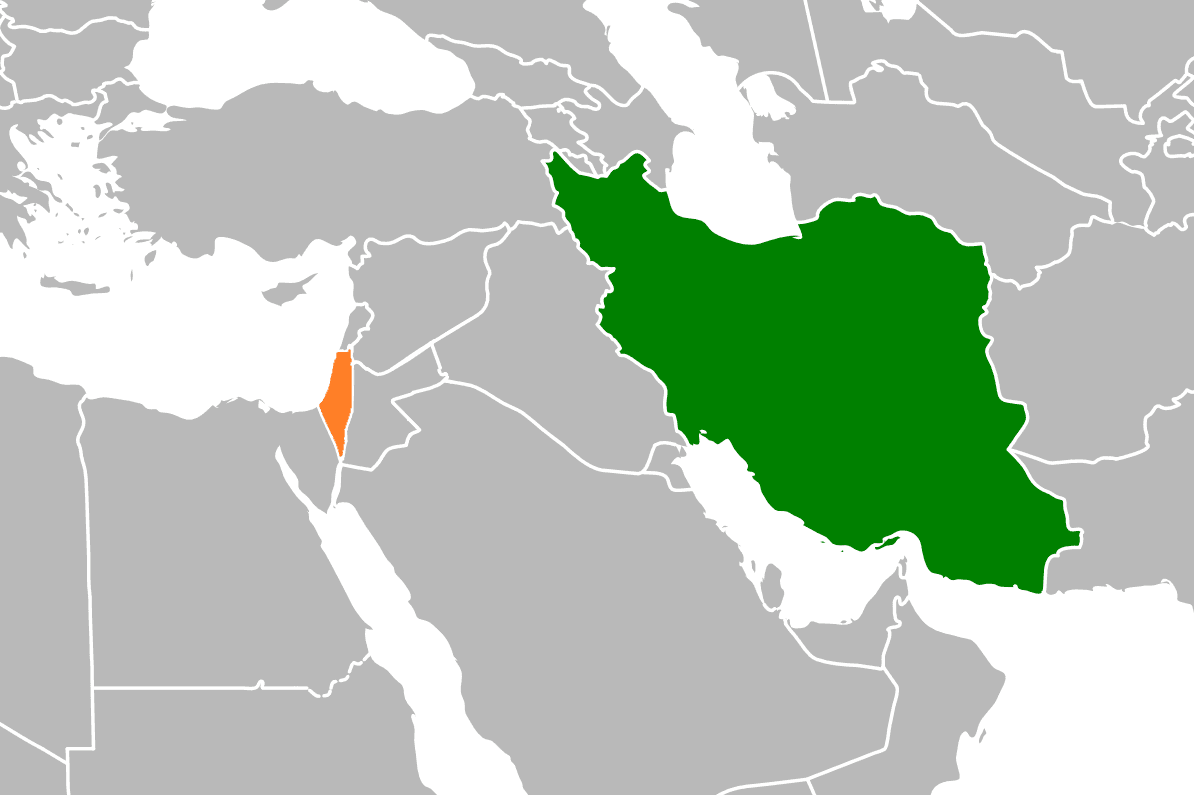
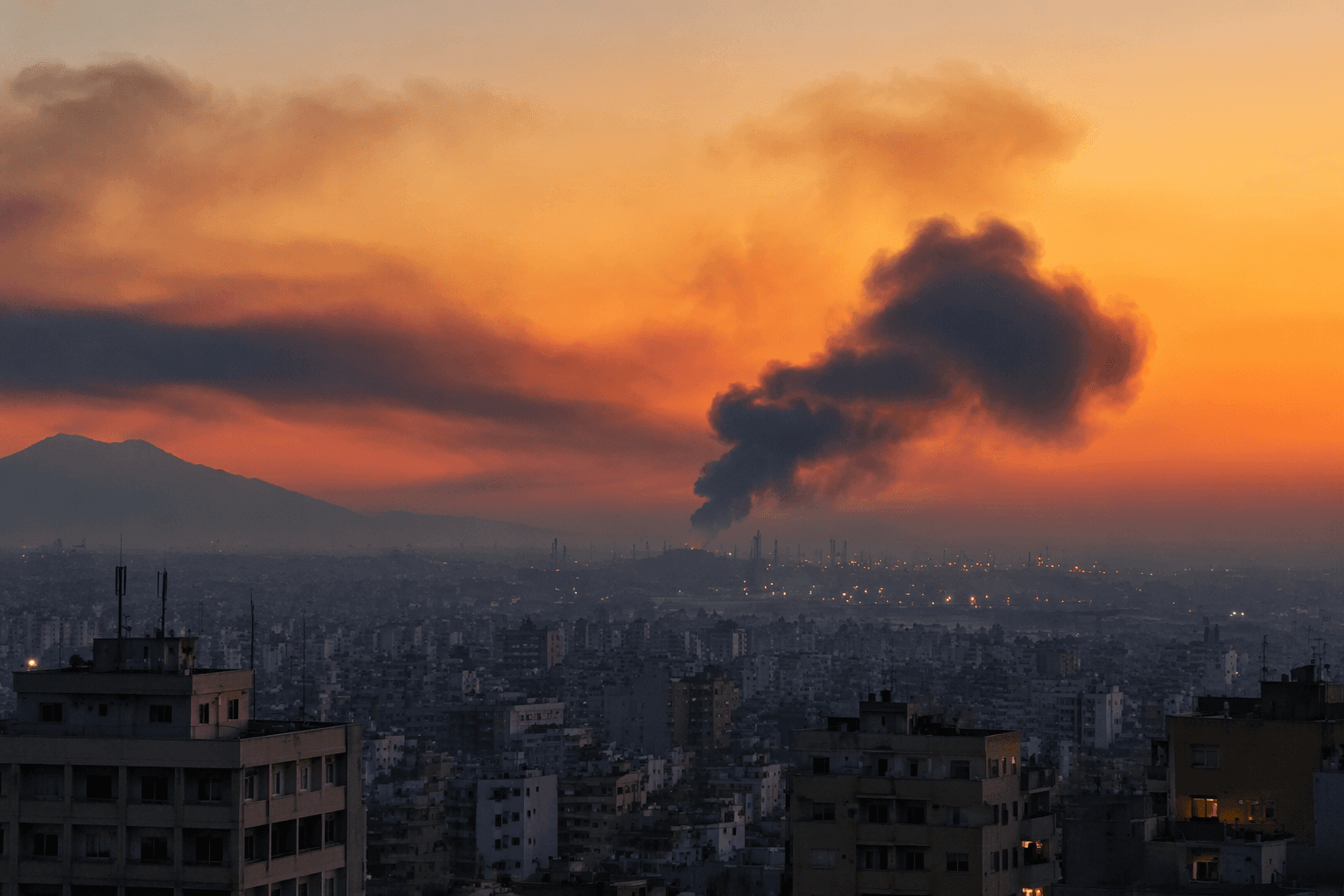
Donald Trump’s effort to restrain Israel’s military response has given Benjamin Netanyahu a narrow political cushion, but it may also leave Israel with fewer ways to hit back if Hezbollah keeps attacking from Lebanon. Trump said he persuaded Netanyahu not to send Israeli troops to Beirut, and the move quickly drew criticism from Israeli opposition leaders who said Washington was tying Israel’s hands.
Netanyahu’s domestic pressure is rising most sharply in northern Israel, where Hezbollah rocket fire has been heaviest and support for the prime minister has been slipping. Yair Lapid and Avigdor Lieberman attacked Netanyahu after Trump halted planned strikes on Beirut, arguing that Israel was being constrained by the United States just as it needed maximum freedom of action. For Netanyahu, the short-term political gain of showing he can keep fighting sits beside a deeper strategic problem: every limit on escalation narrows his options if Hezbollah opens another front.
The military balance has changed since Hezbollah’s 2024 setbacks. After the September 2024 pager and walkie-talkie explosions in Lebanon, Israel’s aerial campaign and the October 2024 ground operations, the group lost major leaders and capabilities. The Congressional Research Service says more than 2,500 people in Lebanon and more than 70 in Israel have been killed since October 2023, while Lebanon has absorbed the burden on top of its political and economic fragility.
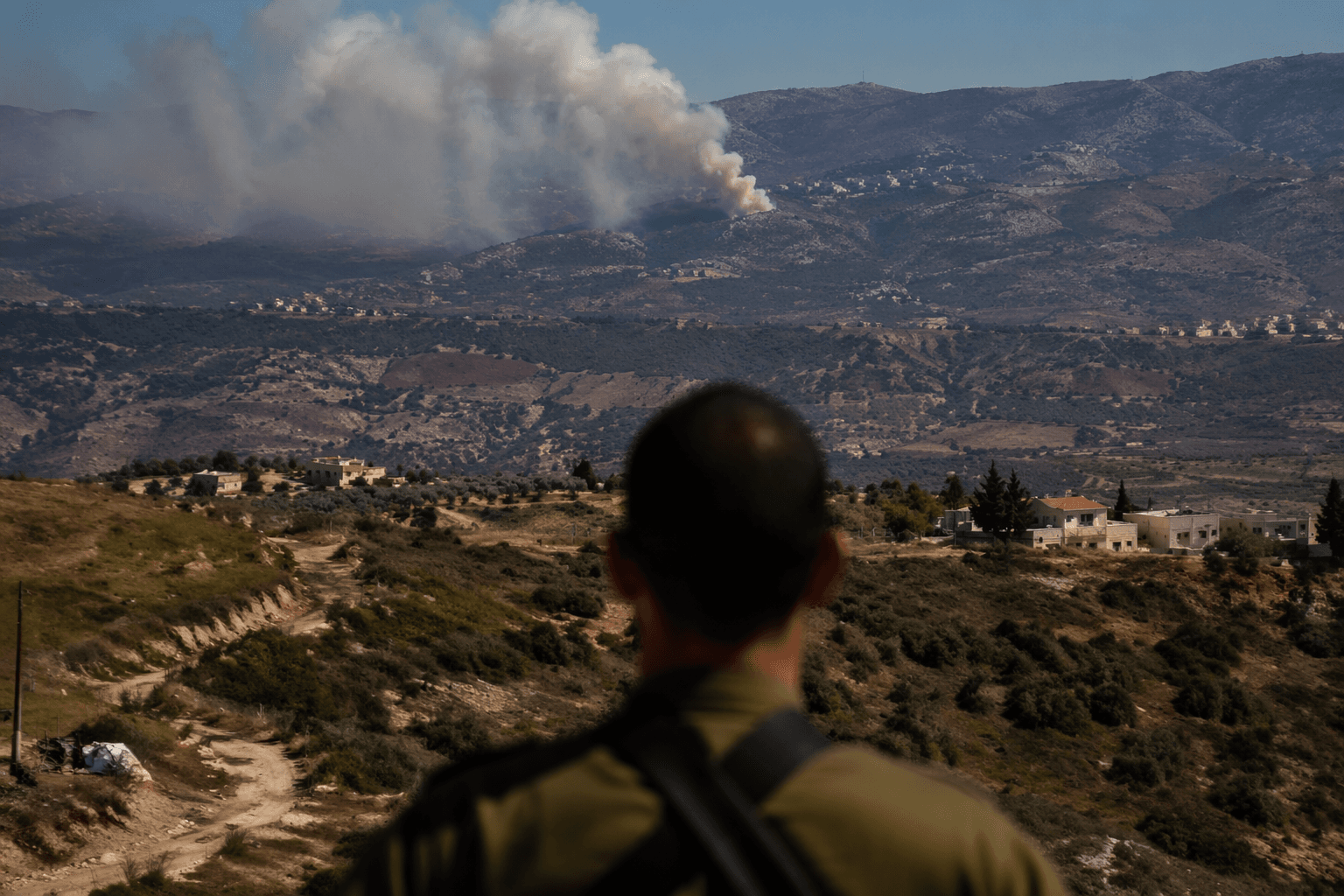
That weakened position does not mean Hezbollah is out of the fight. The Institute for the Study of War said in February 2026 that any intervention by the group would likely rely on longer-range, lower-cost weapons rather than its older playbook. With strikes on Beirut, U.S.-mediated diplomacy and Iran talks all unfolding at once in June 2026, Netanyahu faces grim choices: press harder and risk a wider confrontation, or accept limits from Washington and hope he can preserve deterrence without losing more ground in the north.
This article was produced by Prism’s automated news system from verified source data, official records, and press releases, then run through automated quality and moderation checks before publishing. The system is built and supervised by the people who set the standards it runs under. Read our full AI policy.
Know something we missed? Have a correction or additional information?
Submit a Tip