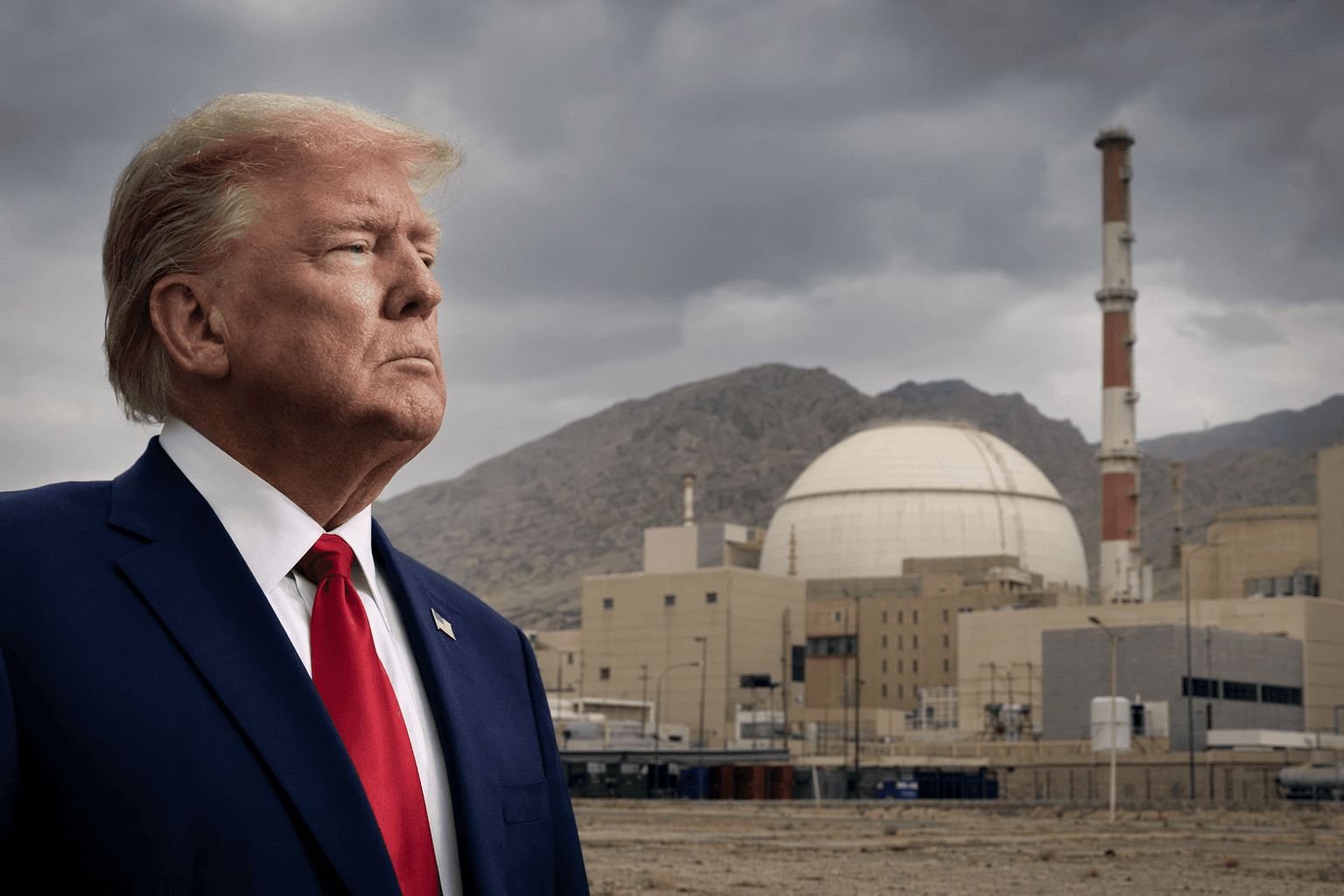
Trump’s softer China stance quiets GOP hawks ahead of Beijing trip
Trump’s Beijing trip has cooled the GOP’s loudest China hawks, even as his aides and allies rapidly absorb a softer line on chips, TikTok and trade.
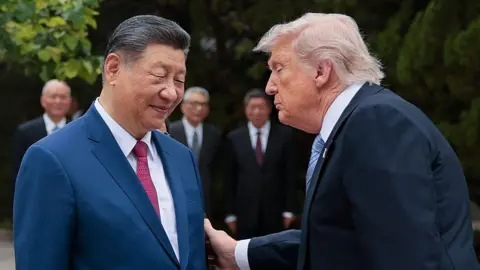
Donald Trump’s Beijing trip has exposed how quickly Republican China hawks can fall silent when the president changes tone. Ahead of and during the summit, the party’s usual warnings about cutting deals with Beijing largely disappeared, even as Trump approved sales of advanced AI chips to China, backed a deal allowing Chinese-founded TikTok to keep operating in the United States, and softened the administration’s National Defense Strategy on China.
The trip began on May 13, 2026, and marked the first visit by a U.S. president to China in nearly a decade. What was once a defining line of Republican identity, hostility toward Beijing, has been muted by the speed of Trump’s shift. Senior Republicans in the White House and on Capitol Hill went quiet as Trump pressed a more transactional line, one that still fit his base’s priorities but departed from years of hard-line rhetoric about China as a strategic threat.
That recalibration has also put the MAGA coalition’s internal tensions on display. Trump’s Beijing agenda included trade, technology, Taiwan and possibly fentanyl, offering him a chance to claim a win on an issue that remains politically potent with his supporters. Nearly 40,000 people died from synthetic opioids in 2025, according to the Centers for Disease Control and Prevention, making fentanyl a powerful domestic issue. But Jonathan Czin of Brookings said the Supreme Court ruling on Trump’s IEEPA tariffs had diminished his leverage over China, and Vanda Felbab-Brown said talks over fentanyl precursors had been stuck since October after China recycled deliverables it had already put forward in 2024.
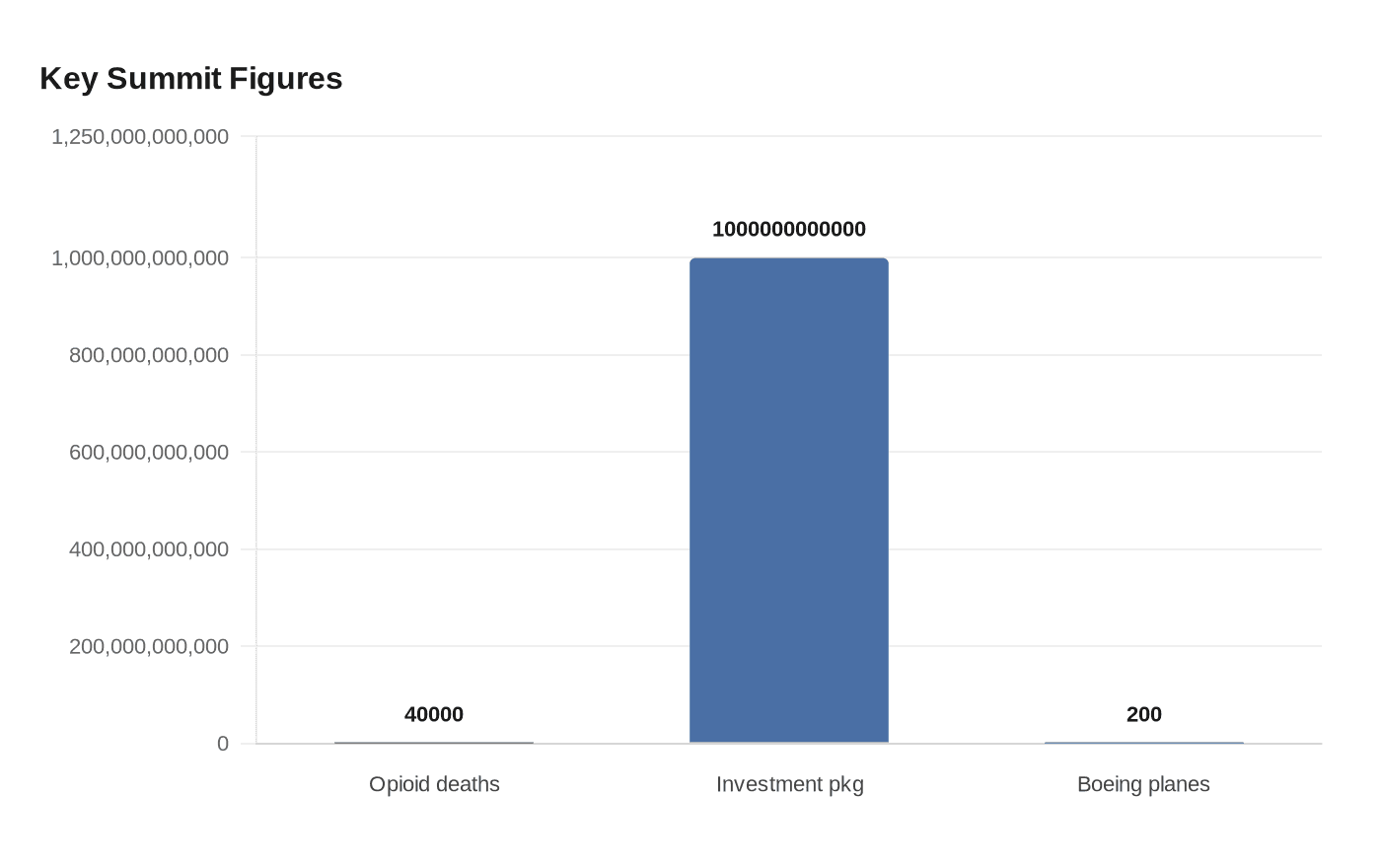
Even the prospect of a larger China bargain stirred unease among conservatives who have spent years warning against Beijing. The Hill reported that rumors of a potential $1 trillion Chinese investment package triggered alarm bells, with Marjorie Taylor Greene calling the idea “shocking” and Laura Ingraham amplifying the report. Megyn Kelly reacted with “Omg.” Oren Cass, the conservative economist, called the idea an “unforced error of world-historic proportions,” while the White House denied any suggestion that national security would be compromised. Inside the administration, skepticism reportedly remained from Commerce Secretary Howard Lutnick and U.S. Trade Representative Jamieson Greer.
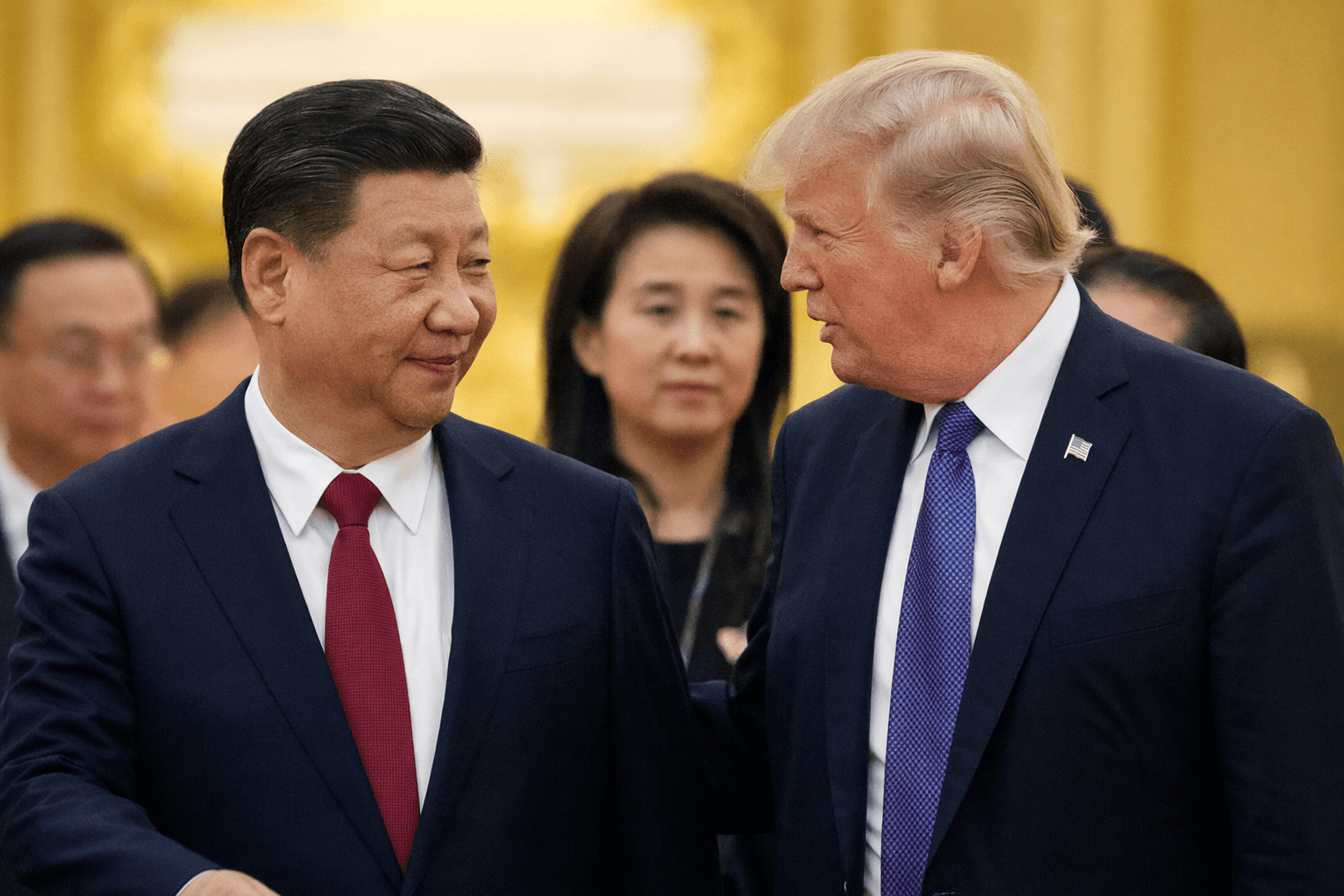
The substance of the summit only sharpened the contrast with the old rhetoric. CNBC reported that Trump and Xi Jinping discussed Iran, Taiwan, trade, oil and Boeing, and that Trump said China would buy U.S. oil and 200 Boeing planes. He invited Xi to the White House for September 24, 2026, signaling that the relationship would continue well beyond Beijing. TIME reported that Xi warned the two countries could “collide or even enter into conflict” over Taiwan, while Trump’s public response, “China is beautiful,” captured how far his posture had shifted from confrontation to accommodation.
Know something we missed? Have a correction or additional information?
Submit a Tip