Tsikhanouskaya visits Kyiv as fears grow of Belarusian war role
Sviatlana Tsikhanouskaya arrived in Kyiv after one of the war’s heaviest strikes, as Ukraine warns Belarus could be pulled deeper into Russia’s campaign.
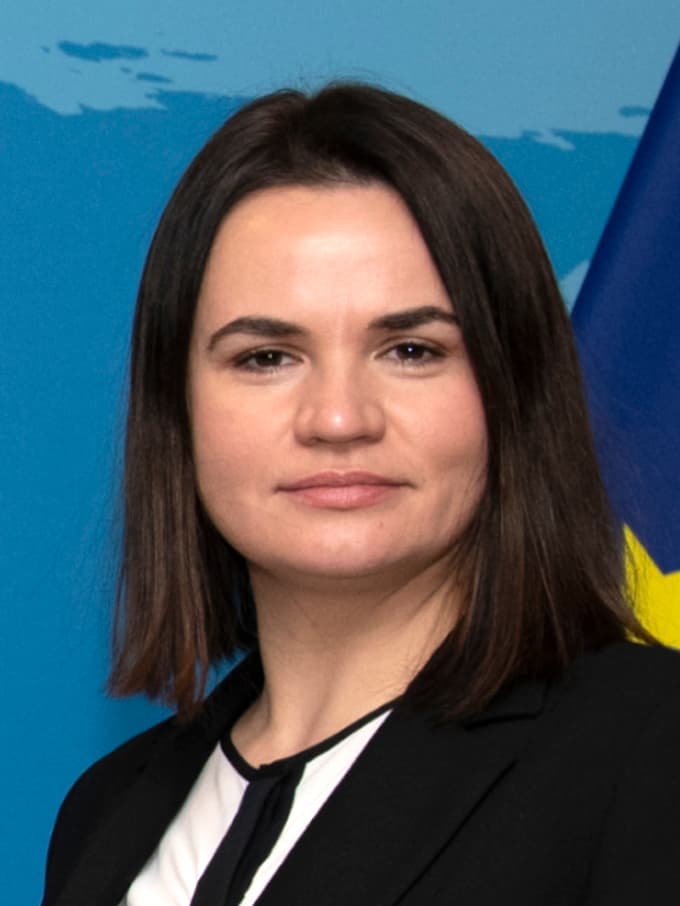
Sviatlana Tsikhanouskaya arrived in Kyiv with Ukraine warning that Belarus could be drawn more deeply into Russia’s war, a development that would sharpen the threat along the capital’s northern frontier. The exiled Belarusian opposition leader met Ukrainian Foreign Minister Andrii Sybiha after coming to the city a day after a major Russian attack that killed at least four people, injured about 100 and damaged historic sites across Kyiv.
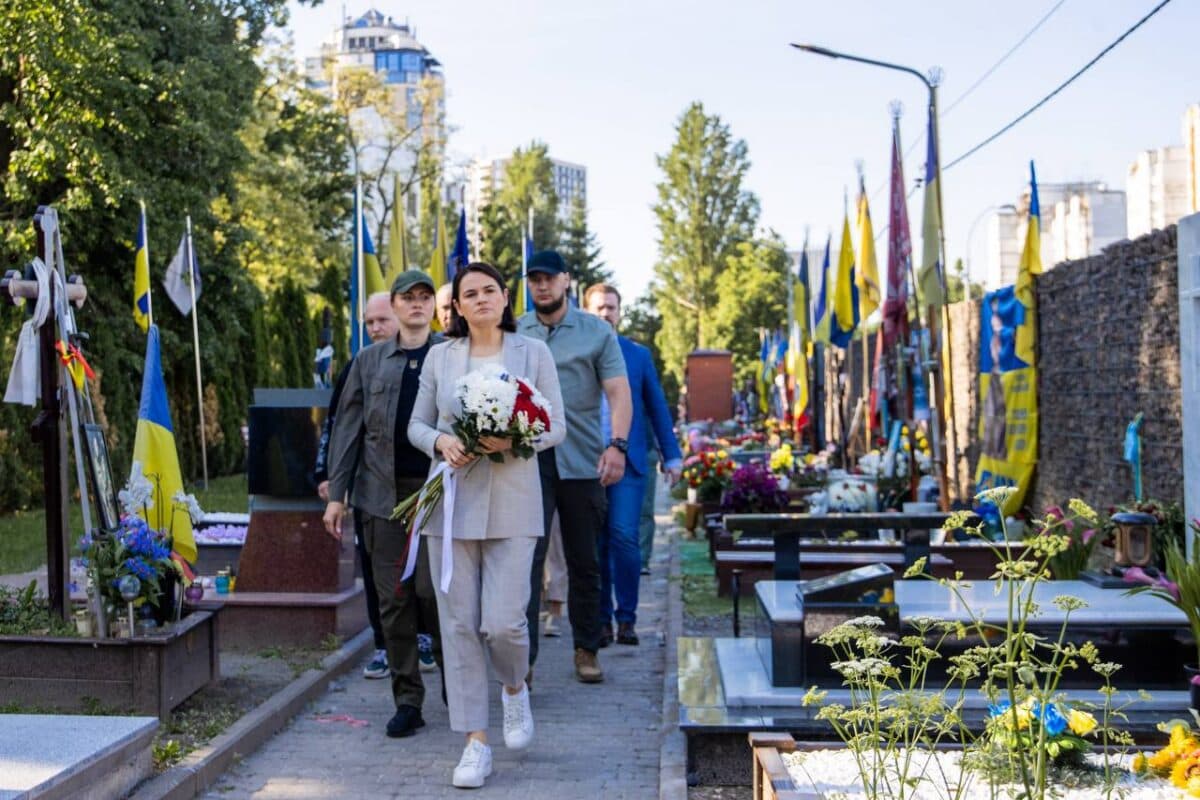
The visit carried both political and personal weight. It was Tsikhanouskaya’s first official trip to Ukraine in more than four years of full-scale war, a rare appearance that highlighted how sensitive relations remain between Kyiv, Minsk and the Belarusian democratic opposition. She began the trip by laying flowers at the grave of Maria Zaitseva in Kyiv, honoring a Belarusian who joined the 2020 anti-Lukashenko protests and was later killed fighting for Ukraine in 2025.
For Kyiv, the timing underscored a worsening security calculation. President Volodymyr Zelenskiy warned on May 1 that Ukraine had detected unusual activity near the Belarusian border. On May 15, he said Russia was trying to pull Belarus deeper into the war and could be considering plans to attack Ukraine’s north or even a NATO country from Belarusian territory. Ukrainian officials have since indicated they are preparing to strengthen northern defenses in case the Belarusian frontier becomes a launch point again.
Belarus has remained Moscow’s closest ally during the conflict, and its territory was used as a staging ground for Russia’s 2022 invasion of Ukraine. That makes Tsikhanouskaya’s presence in Kyiv more than a symbolic show of solidarity. It is also a reminder that the war’s perimeter can still expand through pressure, alliance politics and fear, even without a formal new front being declared.
Alexander Lukashenko has tried to push back against that interpretation. On May 21, he dismissed the idea that Belarus would be dragged into the war, while saying Belarus and Russia would defend themselves together if attacked. Tsikhanouskaya has argued the opposite, saying only a democratic Belarus could become a source of stability and security in the region and warning that Lukashenko’s rhetoric now sounds increasingly like preparation for war.
The heavy bombardment of Kyiv on May 24, one of the largest in the last year, gave those warnings added force. Damage was reported in dozens of locations, including historic sites, and some reports said the Foreign Ministry and cabinet building also suffered minor damage. Tsikhanouskaya’s trip placed Belarus back into the center of the war’s political map, where the struggle over who controls the country may prove as consequential as what happens on the battlefield.
Know something we missed? Have a correction or additional information?
Submit a Tip